

Guide to the 2008-2020 Audi A4 Quattro Engine Coolant Reservoir
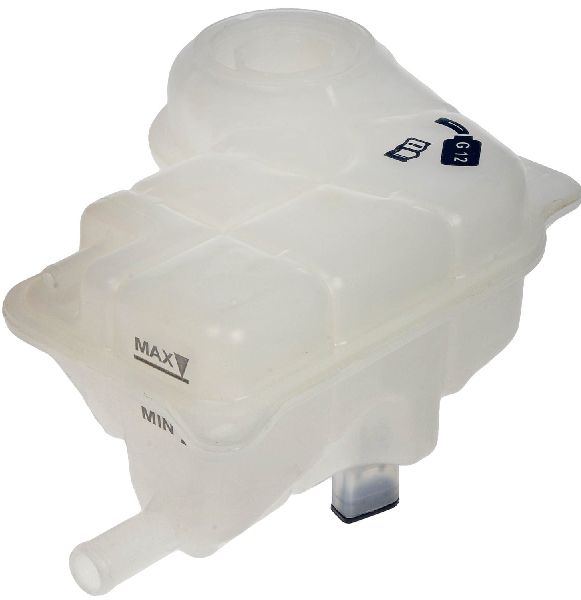
Everything Audi A4 Quattro owners need to know about replacing a failing coolant expansion tank.
- Failure is common due to plastic cracking from heat cycles; symptoms include leaks, low coolant warnings, and overheating.
- The coolant level sensor is built into the tank, so a faulty sensor requires replacing the entire unit.
- High-quality aftermarket brands like Mahle and Rein offer a reliable alternative to expensive OEM parts.
- Always replace the reservoir cap with the tank and use the correct Audi-specified coolant to ensure system longevity.
Is Your Audi A4 Quattro Coolant Reservoir Failing?

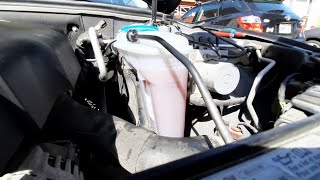
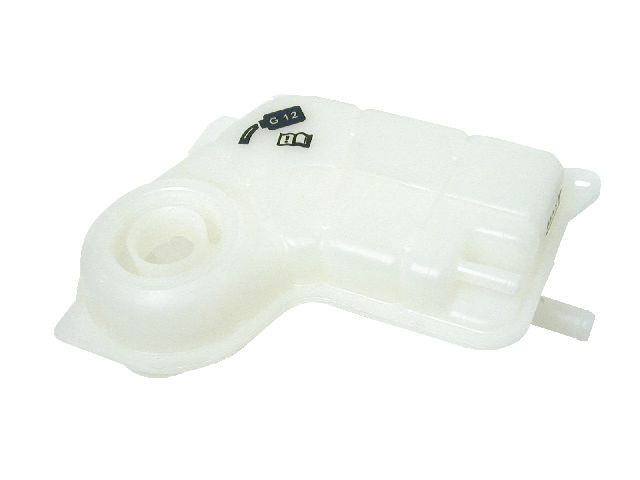
The coolant expansion tank on the Audi A4 Quattro is made of plastic that is constantly exposed to extreme temperature changes. Over time, this plastic can become brittle, leading to cracks and leaks. A faulty tank can cause serious engine problems, so it's important to recognize the warning signs.
Common Failure Symptoms:
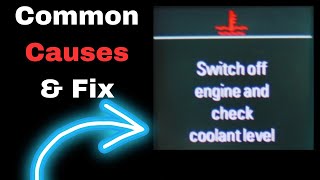
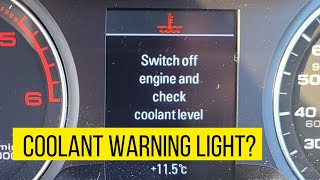
- Low Coolant Warning Light: The most direct sign is a warning on your dashboard. This is often caused by a faulty level sensor inside the reservoir, even if the coolant level itself is fine.
- Visible Coolant Leaks: You might see pink or purple fluid puddles under your car, especially near the front of the engine. Sometimes, you'll see dried coolant residue—a crusty pink or white substance—on the tank itself or on parts below it.
- Sweet Smell: Coolant has a distinct sweet odor. If you smell this after driving or when the engine is hot, it's a strong sign of a leak in the cooling system.
- Engine Overheating: If the tank can't hold pressure or has a significant leak, the cooling system won't work correctly, leading to your engine temperature rising into the red zone.
- Cracks or Stains on the Tank: A visual inspection may reveal fine cracks, yellowing, or bulging of the plastic. The tank might also look dirty or discolored from the inside.
Known Issues & Recalls
While there are no specific recalls for the coolant reservoir itself, Audi did issue recalls for the electric coolant pump on certain 2013-2016 A4 models with the 2.0L Turbo FSI engine. This pump could overheat and increase fire risk. While unrelated to the tank, it highlights the importance of a properly functioning cooling system. No Technical Service Bulletins (TSBs) directly related to the coolant reservoir were found for this specific model range.
Choosing the Right Aftermarket Reservoir

When replacing the coolant tank, you don't have to buy the expensive Genuine Audi part. Several reputable aftermarket brands offer quality replacements. Here’s a breakdown of common choices:
- High-Quality OEM/OES Alternatives (Mahle, CRP/Rein): Mahle is a well-regarded manufacturer, often considered an original equipment (OE) supplier for many German brands. CRP (under the Rein brand) also produces high-quality replacement parts that are engineered to meet or exceed OEM specifications. These brands are a solid choice for a reliable, long-lasting repair without the dealer price tag.
- Good Value Aftermarket (Vaico, URO Parts): Brands like Vaico and URO Parts offer a more budget-friendly option. While historically having mixed reviews, their quality has improved, and they can be a good choice, especially if cost is a primary concern. Some users have had good experiences with these brands holding up over time.
- General Aftermarket (Dorman): Dorman is a widely available brand that produces a vast range of parts. Quality can sometimes be inconsistent compared to German OE-focused brands, but they often provide a readily available and affordable solution.
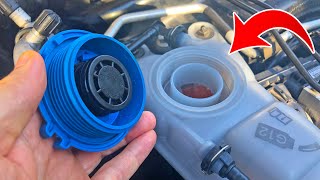
Pro Tip: Always replace the coolant reservoir cap when you replace the tank. The cap is a pressure-regulating valve, and a faulty old cap can cause a new tank to fail prematurely. Also, ensure you use the correct Audi-specified G12 or G13 coolant.
Cost of Replacing the Engine Coolant Reservoir

| Part Type | Estimated Cost |
|---|---|
| New Aftermarket Part | $30 - $85 |
| Shop Labor | $90 - $150 |
Frequently Asked Questions

Is it difficult to replace the coolant reservoir myself?
No, this is a relatively easy DIY job for most people. It typically involves removing a few bolts and hose clips. You'll need basic tools like a socket set and pliers. The most important steps are to ensure the engine is completely cold before starting and to properly bleed the air out of the system after refilling the coolant.
My coolant level is low, but I don't see a leak. What's wrong?
A slow coolant leak can be difficult to spot because the fluid evaporates on the hot engine before it can drip to the ground. You might only notice a faint sweet smell. Common culprits for slow leaks on the B8 and B9 A4 are the water pump, thermostat housing, and the o-rings on the various coolant hoses, in addition to hairline cracks in the expansion tank. A cooling system pressure test can help a mechanic pinpoint the exact source.
Do I need to replace the level sensor too?
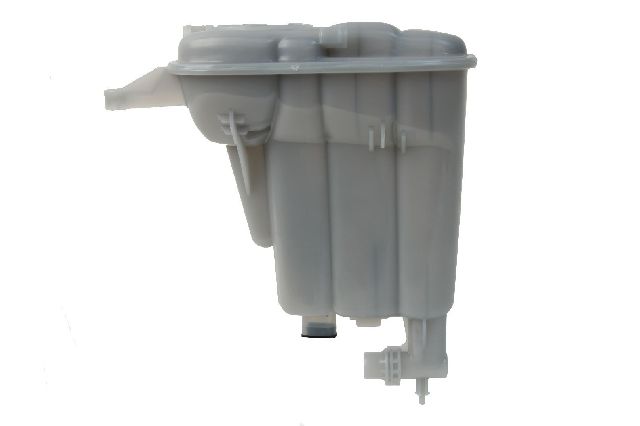
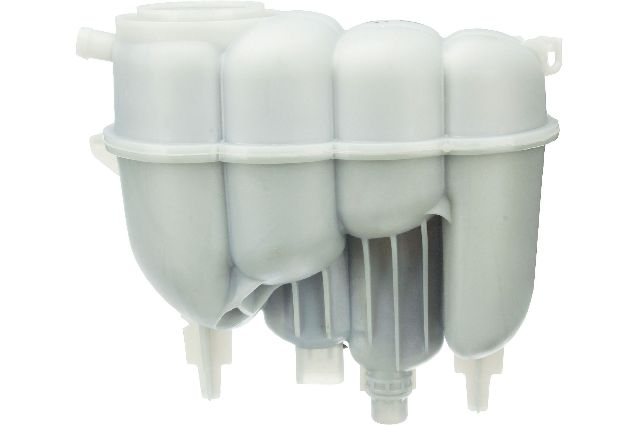
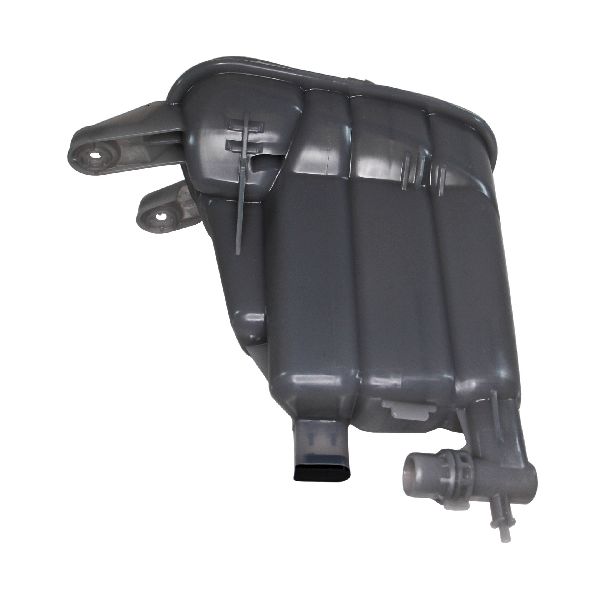
Yes, the coolant level sensor is integrated into the bottom of the reservoir and is not sold separately. If your "low coolant" light is on due to a bad sensor, you must replace the entire tank assembly.
What is the difference between the B8 (2008-2016) and B9 (2017-2020) reservoirs?
The part numbers and physical design of the reservoirs are different between the B8 and B9 generations. They are not interchangeable. The B9 tanks also contain a silica packet inside, which is designed to maintain coolant quality over time. Be sure to order the correct part for your specific model year.
Helpful Videos
Technical Specifications
OEM Part Numbers: 8K0121403AC 8K0121403Q 8K0121403G 8K0121403T 8K0121405Q 8W0121405L
Material: Plastic. Includes integrated coolant level sensor. Cap may or may not be included. Part number varies by generation (B8 vs B9) and specific engine.
We Have This Part in Stock


The information in this article is provided for general reference and educational purposes only. Vehicle specifications, procedures, and part compatibility can vary by production date, trim level, and region. Always consult your vehicle's factory service manual and verify part numbers before purchasing or performing repairs. Safety-critical components such as airbags, seat belts, and braking systems should be installed by a qualified professional.
- Audi A4 Quattro: