

A Guide to Replacing the Suspension Control Arm on Your 2008-2020 Kia Optima
Address front-end clunks, wandering steering, and uneven tire wear by understanding and choosing the right control arm for your Optima.
- Common failure symptoms include clunking noises, wandering steering, and uneven tire wear.
- Owners of 2011-2014 models should inspect for underbody corrosion, which was the subject of a Kia service campaign.
- Always replace control arms in pairs (left and right) and get a professional wheel alignment immediately after replacement.
- Choose an aftermarket brand based on your budget and how long you plan to keep the car; Moog and Delphi are premium choices, while Dorman offers a value option.
Is Your Kia Optima Making Noise? It Could Be a Bad Control Arm
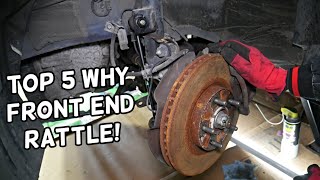
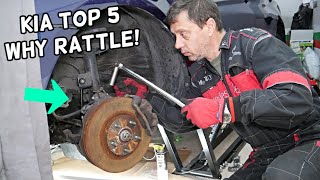
If you're hearing clunking, popping, or banging noises from the front of your Optima, especially when driving over bumps or uneven roads, a worn-out control arm is a likely culprit. These parts are essential for a safe and stable ride. When they fail, you'll notice other symptoms besides just noise. Your steering might feel loose or wander, forcing you to constantly correct the wheel to drive straight. You may also feel vibrations through the steering wheel or notice that your car pulls to one side when you hit the brakes. A visual inspection of your front tires might reveal uneven wear, particularly on the inner or outer edges, which is a classic sign that the alignment is off 🎬 Watch: Common symptoms of a bad control arm on Kia models due to a bad control arm.
Known Issue: Underbody Corrosion on 2011-2014 Models
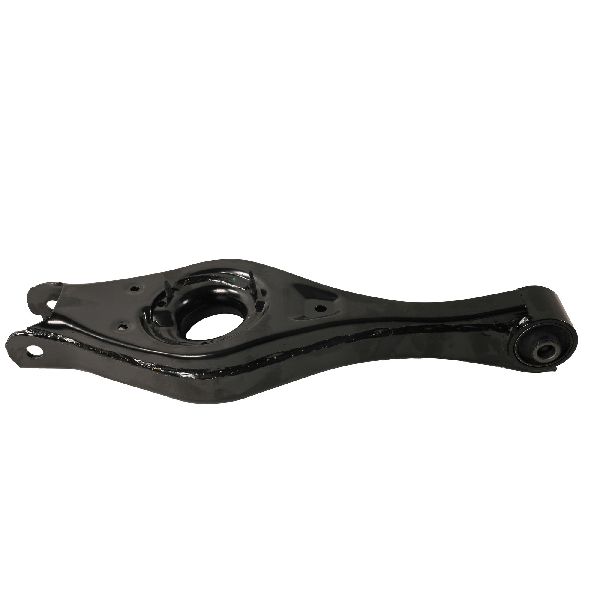
Owners of 2011-2014 Kia Optimas, particularly those in states where road salt is heavily used, should be aware of potential underbody corrosion. Kia issued a service campaign (SC141/SC264) to apply extra anti-corrosion material to the subframe and front lower control arms on these vehicles. A related service action (SA172) noted that corrosion could cause cracks on the rear lower arm, leading to clunking noises. If you own an Optima from this period, inspect the control arms and subframe for significant rust or flaking metal, as this can weaken the parts and lead to failure.
Choosing the Right Aftermarket Control Arm
When replacing a control arm, you don't have to buy an expensive OEM part from the dealer. Aftermarket brands offer a range of quality and price points. They can be grouped into tiers to help you decide.
- Premium Brands (Moog, Delphi): These brands are known for high-quality components that often meet or exceed original equipment (OE) specifications. Moog is well-regarded for its "problem-solver" designs that aim to be more durable than the original parts. Delphi also has a strong reputation for OE-level quality. Choose these if you plan to keep your Optima for a long time or want the best possible performance and durability.
- Standard / OE-Style Brands (Mevotech, Beck Arnley): These brands offer a great balance of quality and value. Mevotech is a popular choice for daily-driven vehicles, providing reliable performance at a reasonable price. Beck Arnley focuses on sourcing parts that match the original fit, form, and function, making them a dependable OE-style replacement.
- Economy Brands (Dorman, Suspensia): For those on a tighter budget, brands like Dorman offer a cost-effective solution. Dorman provides a wide variety of parts that are known for being easy to install, though their longevity may not match premium brands. Suspensia is another established brand offering a full range of chassis parts at a competitive price point.
Pro Tip: It is highly recommended to replace control arms in pairs (both left and right sides). If one has failed due to wear, the other is likely not far behind. Replacing both at the same time saves you from doing the job twice and ensures balanced handling.
Typical Replacement Costs for a Kia Optima
The cost to replace a control arm depends on the parts you choose and local labor rates. An alignment is required after the job is done, which adds to the total cost.
| Item | Estimated Cost |
|---|---|
| New Aftermarket Control Arm (Single) | $41 - $255 |
| New OEM Control Arm (Single) | $215 - $300 |
| Shop Labor (Per Side) | $150 - $375 |
| Wheel Alignment | $100 - $200 |
| Total Estimated Cost (One Side, Aftermarket) | $291 - $830 |
Frequently Asked Questions
Do I absolutely need a wheel alignment after replacing a control arm?
Yes. Replacing a control arm will always change the vehicle's alignment settings. Skipping the alignment will cause poor handling, crooked steering, and rapid, uneven tire wear, costing you more money in the long run.
Can I just replace the bushings or ball joint instead of the whole arm?
While it is sometimes possible to press out old bushings and press in new ones, most modern aftermarket control arms come as a complete assembly with new bushings and a new ball joint pre-installed. This is often easier and more cost-effective than replacing the individual components, as it saves significant labor time.
Is this a difficult job to do myself?
For an experienced DIY mechanic with the right tools (including a jack, jack stands, torque wrench, and potentially a ball joint separator), this is a manageable job. However, it involves critical suspension components and can be difficult if parts are rusted or seized. If you are not comfortable working on your car's suspension, it is best to leave this job to a professional mechanic.
🎬 Watch this full DIY process for replacing Kia Optima control armsWhat is the difference between a front and rear control arm on my Optima?
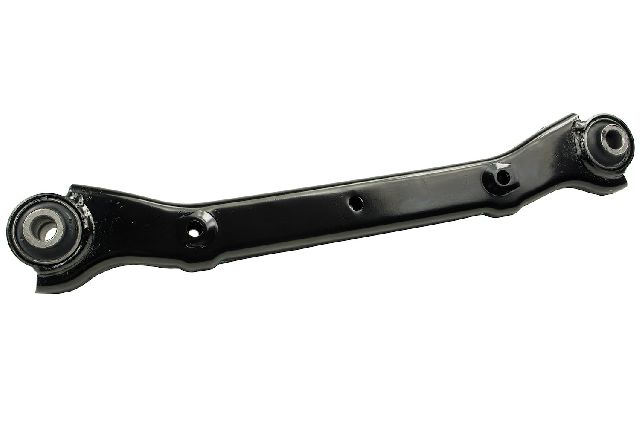
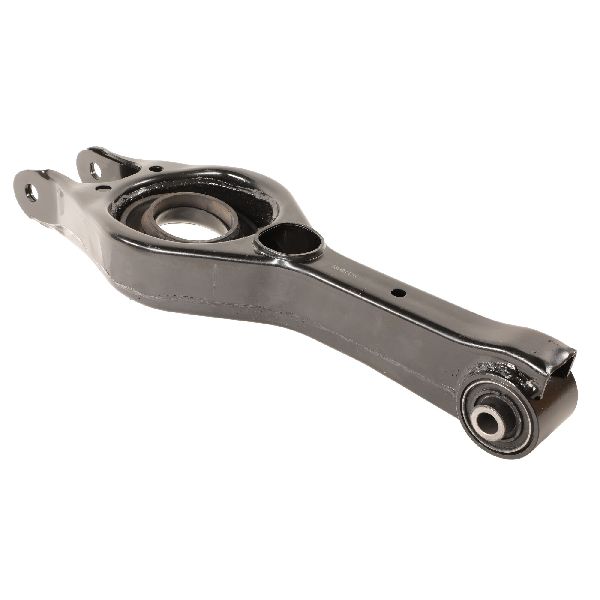
Front and rear control arms serve a similar purpose but have different shapes and mounting points based on the suspension design at each end of the car. The front arms are involved in steering, while the rear arms are part of the multi-link rear suspension that keeps the rear tires stable. This guide focuses on the front control arms, which are the most common to fail.
Helpful Videos
Technical Specifications
OEM Part Numbers: 54500-C1000
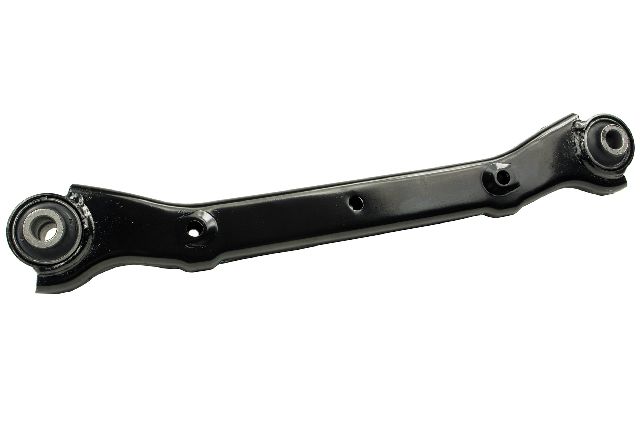
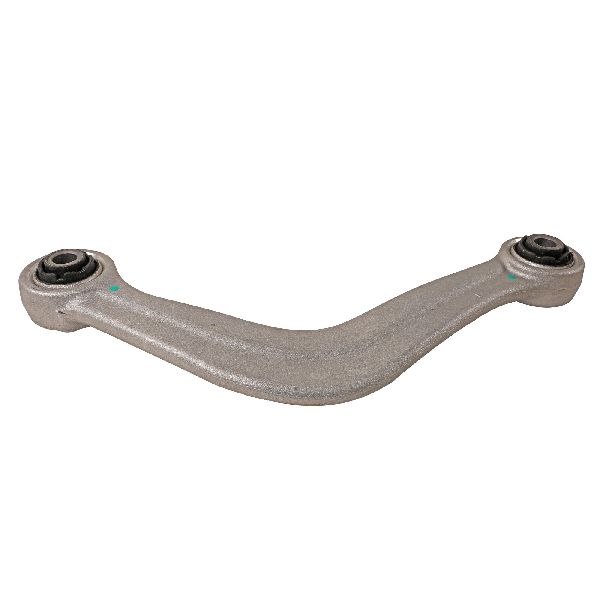
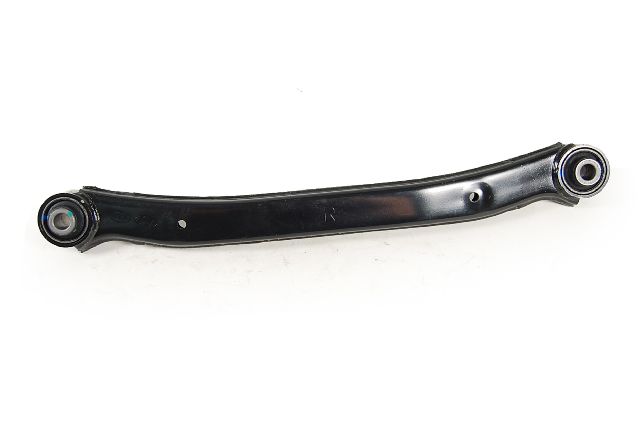
Part numbers vary significantly by model year, trim level (e.g., Hybrid), and position (front left, front right, rear upper, rear lower). The 2008-2010 (Gen 2), 2011-2015 (Gen 3), and 2016-2020 (Gen 4) Optima models use different control arm designs. Always verify the part number with your vehicle's VIN before ordering.
We Have This Part in Stock

The information in this article is provided for general reference and educational purposes only. Vehicle specifications, procedures, and part compatibility can vary by production date, trim level, and region. Always consult your vehicle's factory service manual and verify part numbers before purchasing or performing repairs. Safety-critical components such as airbags, seat belts, and braking systems should be installed by a qualified professional.
- Kia Optima: