

A Practical Guide to the Kia Sportage MAP Sensor (2008-2020)
Is your Sportage running rough or losing power? Your MAP sensor might be the reason.
- A bad MAP sensor on a Sportage commonly causes a P0106 code, rough idle, and poor acceleration.
- Replacement is very easy for a DIYer, requiring only a 10mm socket and about 15-30 minutes.
- Before replacing the sensor, always check for vacuum leaks or damaged wiring, as they can cause similar symptoms.
- An aftermarket sensor is a cost-effective and reliable alternative to the much more expensive OEM part for this repair.
Symptoms of a Bad MAP Sensor in a Kia Sportage

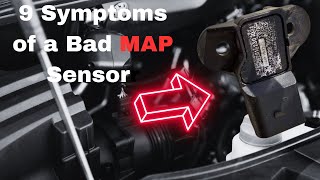
When a MAP sensor starts to fail, it sends incorrect information to your Sportage's computer. This can cause a range of noticeable engine problems. The most common sign is the Check Engine Light turning on, but you might also experience other performance issues.
- Poor Engine Performance: You may feel a lack of power, sluggish acceleration, or general hesitation when you press the gas pedal.
- Rough Idle: Your engine might shake, surge, or have an unstable RPM when you're stopped.
- Bad Fuel Economy: A faulty sensor can trick the engine into using more fuel than it needs, causing you to fill up more often.
- Stalling: In some cases, the engine may stumble or stall completely, especially when coming to a stop or right after starting.
- Black Smoke from Exhaust: If the sensor causes the engine to run too rich (too much fuel), you might see black smoke coming from the tailpipe.
Choosing a New Aftermarket MAP Sensor

When it's time to replace your MAP sensor, you have two main choices: original equipment (OEM) from a Kia dealer or an aftermarket part. For a straightforward electronic sensor like the MAP sensor, an aftermarket part can be a smart and budget-friendly choice.
OEM vs. Aftermarket (Replacement Brand)
- OEM: An OEM sensor is the exact same part your vehicle was built with. It guarantees a perfect fit and performance but comes at a significantly higher price, often costing $70 or more.
- Aftermarket: Aftermarket brands like Replacement offer a direct-fit alternative at a much lower cost. For many drivers, a standard aftermarket sensor provides reliable performance and excellent value for this type of repair. Given the simple function of the part and the high cost of the OEM version, an aftermarket sensor is a very practical solution.
Cost of Replacing a Kia Sportage MAP Sensor
Replacing the MAP sensor is one of the more affordable repairs you can make. The part itself is not expensive, and if you have it done at a shop, the labor is minimal because the job is quick.
| Part/Service | Estimated Cost |
|---|---|
| New OEM Part | $65 - $110 |
| New Aftermarket Part | $20 - $45 |
| Shop Labor | $35 - $55 |
Frequently Asked Questions

Where is the MAP sensor located on a 2008-2020 Kia Sportage?
The MAP sensor is mounted directly on the engine's intake manifold, usually near the throttle body. It is typically held in place by a single 10mm bolt and has a small electrical connector attached.
Can I replace the MAP sensor myself?
Yes, this is a very DIY-friendly repair. The sensor is easy to access on most Sportage engines. The replacement involves disconnecting the electrical plug, removing one bolt, swapping the old sensor for the new one, and re-securing the bolt and plug. The entire job can usually be done in 15 to 30 minutes with basic tools.
Are there any recalls for the Kia Sportage MAP sensor?
No, searches of the National Highway Traffic Safety Administration (NHTSA) database and other sources did not find any specific recalls or technical service bulletins (TSBs) for MAP sensor failure on the 2008-2020 Kia Sportage.
What's the difference between a MAP and a MAF sensor?
A MAP sensor measures air pressure in the intake manifold, while a Mass Airflow (MAF) sensor measures the volume and density of air entering the engine. Many modern engines, including some Kia Sportage models, use a MAP sensor instead of a MAF sensor to help the ECU manage the air-fuel mixture.
Helpful Videos

Technical Specifications
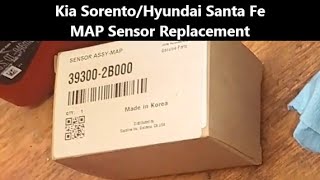
OEM Part Numbers: 39300-2B000 39300-22600 39300-2S000 39300-84400 39300-2M417
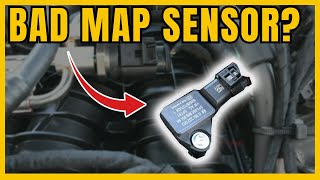
The MAP sensor for the Kia Sportage is typically a 3-pin electronic sensor that mounts to the intake manifold with a single bolt. It uses an O-ring to create an airtight seal.

The information in this article is provided for general reference and educational purposes only. Vehicle specifications, procedures, and part compatibility can vary by production date, trim level, and region. Always consult your vehicle's factory service manual and verify part numbers before purchasing or performing repairs. Safety-critical components such as airbags, seat belts, and braking systems should be installed by a qualified professional.
- Kia Sportage: