

Mercedes-Benz C300 Engine Coolant Temperature Sensor Guide (2008-2020)
A bad engine coolant temperature sensor can cause poor fuel economy, overheating, and other performance issues in your C300.
- A failing coolant sensor on a C300 often triggers Check Engine Light codes like P0117 (Circuit Low) or P0118 (Circuit High).
- Symptoms can mimic other issues, but poor fuel economy, rough idle, and an erratic temperature gauge are strong indicators.
- For this specific part, owners often recommend using a Genuine Mercedes or high-quality OEM supplier brand like Vemo or Delphi to ensure reliability.
- On the popular W204 model, the sensor is located at the rear of the driver's side cylinder head, making access a bit tight but manageable for a DIYer.
Symptoms of a Failing Coolant Temperature Sensor

When the coolant temperature sensor in your C300 starts to fail, it can send incorrect information to the car's computer, leading to a variety of noticeable problems. You might not realize this small, inexpensive sensor is the root cause.
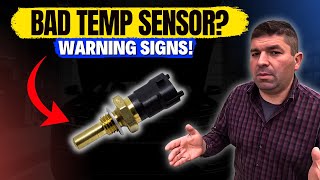
🎬 Watch this video to learn more about common sensor symptoms.Common Failure Symptoms
- Check Engine Light: This is often the first sign. The computer will log a fault code when it detects a signal from the sensor that is out of the expected range. Common codes include P0115, P0116, P0117, and P0118.
- Poor Fuel Economy: If the sensor incorrectly tells the computer the engine is always cold, the computer will continuously supply a rich fuel mixture, causing you to use more gas than necessary.
- Engine Overheating or Erratic Temperature Gauge: A faulty sensor can fail to trigger the cooling fans when needed, leading to overheating. You might also see the temperature gauge on your dashboard behave erratically, jumping to hot immediately after starting the car or not moving at all.
- Black Smoke from Exhaust: An overly rich fuel mixture that isn't burning completely can exit the tailpipe as black smoke.
- Rough Idle and Poor Performance: With incorrect fuel and timing adjustments, the engine may idle roughly, hesitate, or feel sluggish during acceleration.
Choosing the Right Aftermarket Sensor for Your C300

When replacing the coolant temperature sensor on a Mercedes-Benz, you have a choice between Genuine Mercedes-Benz parts and a wide range of aftermarket options. While saving money is tempting, for critical electronic sensors, quality and reliability are key.
OEM vs. Aftermarket Quality:
For many electronic parts on German vehicles, owner and mechanic feedback often suggests that sticking with the Original Equipment Manufacturer (OEM) or a reputable OEM supplier is the safest bet. Brands like VDO are often OEM suppliers. While budget-friendly brands like URO Parts are available, their quality can be inconsistent for electronic components. For a part this critical to engine management, spending a little more on a higher-quality sensor from a brand like Delphi, Vemo, or a Genuine part can prevent future headaches and ensure accurate readings.
| Tier | Brands | General Assessment |
|---|---|---|
| Premium Aftermarket / OEM Supplier | Delphi, Vemo, Genuine Mercedes-Benz | Often recommended by enthusiasts for reliability and precise fit. Vemo is a known German aftermarket brand. Choosing these brands minimizes the risk of premature failure. |
| Mid-Grade Aftermarket | Standard Ignition, Walker Products, Holstein | Generally considered reliable replacements that meet or exceed original specifications and are produced in certified facilities. A good balance of cost and quality. |
| Economy / Budget | URO Parts, Facet, Global Parts, True Tech | These brands offer significant cost savings. However, for electronic sensors, forum discussions suggest quality can be hit-or-miss. They may be suitable for a budget repair, but carry a higher risk of not performing as accurately or lasting as long as higher-tier options. |
Frequently Asked Questions (FAQ)

Where is the engine coolant temperature sensor located on a C300?
For the W204 generation C300 (2008-2014), the sensor is typically found on the back of the driver's side (left) cylinder head, near the firewall. You will likely need to remove the engine covers to access it.
Can I drive my C300 with a bad coolant temperature sensor?
While it may be possible to drive, it is not recommended. A faulty sensor can lead to overheating, poor engine performance, increased fuel consumption, and potential long-term engine damage. The vehicle's computer may enter a "failsafe" mode, which can cause rough running.
What happens if I don't replace a faulty sensor?
Ignoring a bad sensor can lead to more expensive problems. Continuously running a rich fuel mixture can foul spark plugs and damage the catalytic converter. Unchecked overheating can cause severe engine damage, such as a warped cylinder head.
Is this a difficult part to replace myself?
For a W204 C300, the replacement is considered moderately difficult due to the sensor's location at the back of the engine. It requires removing engine covers and working in a tight space. You will lose a small amount of coolant, so you must be prepared to catch it and top off the system afterward. A T30 Torx socket is typically required.
🎬 See how to identify symptoms and estimate your replacement costs.Helpful Videos
Technical Specifications
OEM Part Numbers: 221905560080 0009056102
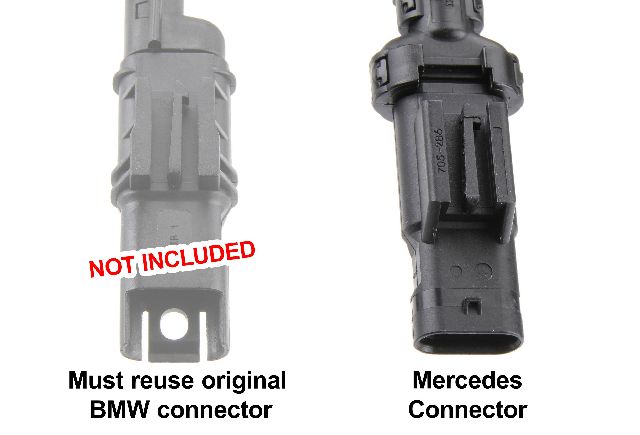
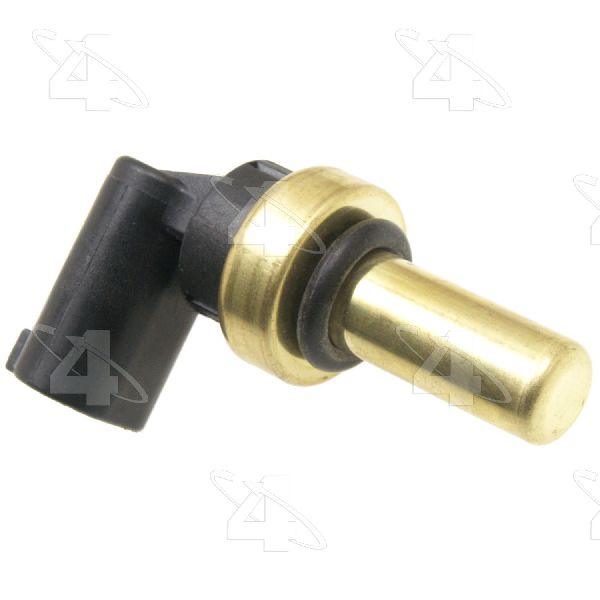
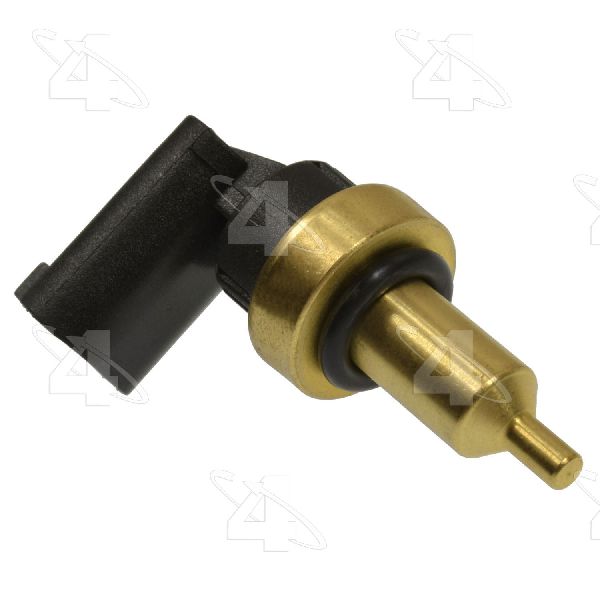
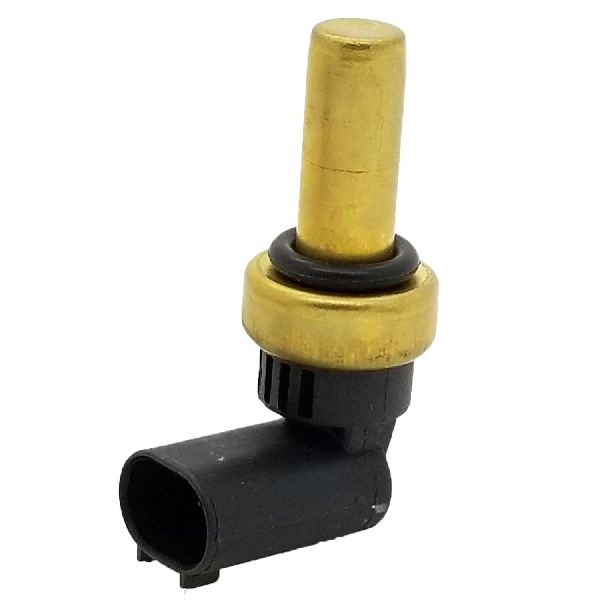
The sensor is a 2-pin thermistor that changes resistance based on coolant temperature. It is typically secured by a single T30 Torx screw and sealed with a rubber O-ring.
We Have This Part in Stock


The information in this article is provided for general reference and educational purposes only. Vehicle specifications, procedures, and part compatibility can vary by production date, trim level, and region. Always consult your vehicle's factory service manual and verify part numbers before purchasing or performing repairs. Safety-critical components such as airbags, seat belts, and braking systems should be installed by a qualified professional.
- Mercedes-Benz C300: