

Porsche Cayenne Oxygen Sensor Guide for 2008-2020 Models
Understanding the oxygen sensors in your Cayenne is key to maintaining its performance and fuel economy.
- Oxygen sensor replacement on a Cayenne is a very difficult job due to extremely tight access, making professional installation a wise choice.
- For reliable performance, only use OEM-equivalent aftermarket brands like Bosch, Denso, or NTK. Avoid budget brands for this critical electronic part.
- Owners of 2019-2020 Cayenne S models should be aware of a TSB for false O2 sensor codes that may only require a software update.
- Symptoms like a check engine light, poor gas mileage, and rough idling are common indicators of a failing sensor.
Symptoms of a Failing Oxygen Sensor

A bad oxygen sensor sends incorrect information to your Cayenne's computer, which can cause a number of noticeable problems. Ignoring these signs can lead to more expensive repairs, like a damaged catalytic converter.
- Check Engine Light: This is the most common symptom. A diagnostic scan is needed to confirm the issue is an O2 sensor. 🎬 Learn how to diagnose common catalytic converter and sensor codes.
- Worse Gas Mileage: The engine may burn more fuel than necessary because of an incorrect air-fuel mixture.
- Rough Engine Operation: You might feel a shaky or rough idle, engine misfires, or hesitation when you accelerate.
- Rotten Egg Smell: A strong sulfur smell from the exhaust can mean the air-fuel mixture is wrong, which can damage the catalytic converter.
- Failed Emissions Test: A bad sensor directly leads to higher emissions, causing a test failure.
Known Issues: TSB for 2019-2020 Cayenne S

For 2019-2020 Porsche Cayenne S models with the 2.9L bi-turbo V6 engine: A Technical Service Bulletin (TSB #2009.3) addresses an issue where the check engine light appears with downstream oxygen sensor fault codes (P013B00 and P013D00), especially at low mileage. This is caused by overly sensitive diagnostics. The official fix is a software update for the engine computer (DME), not a sensor replacement. If you have this specific model and issue, consult a dealer or qualified shop about the software update before replacing parts.
Choosing the Right Aftermarket Oxygen Sensor

For a high-performance vehicle like the Cayenne, the quality of electronic sensors is not a place to cut corners. While some aftermarket parts offer savings, choosing the wrong brand can lead to persistent check engine lights and performance issues.
Brand Quality Tiers for Porsche Cayenne
- Tier 1: OEM-Equivalent Brands
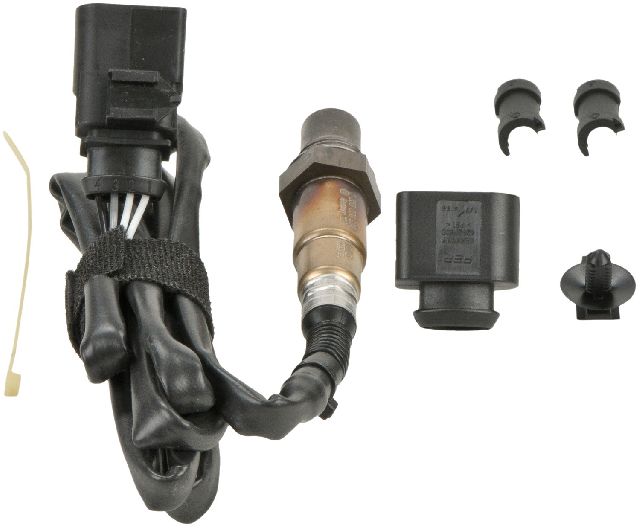
These brands are known original equipment manufacturers for Porsche and other German automakers. They are the most recommended choice for reliability and proper function. Forum users and mechanics consistently recommend sticking with these brands.- Bosch: Widely considered the original equipment supplier for many Porsche parts, including oxygen sensors. Choosing Bosch is the closest you can get to the factory part.
- Denso / NTK (NGK): Major OEM suppliers known for high-quality sensors that meet or exceed factory specifications. They are a trusted alternative to Bosch.
- Tier 2: Reputable Aftermarket Brands
These brands can be a viable option, but their performance may not be as consistent as the OEM suppliers.- Delphi: A well-known company that produces a wide range of parts.
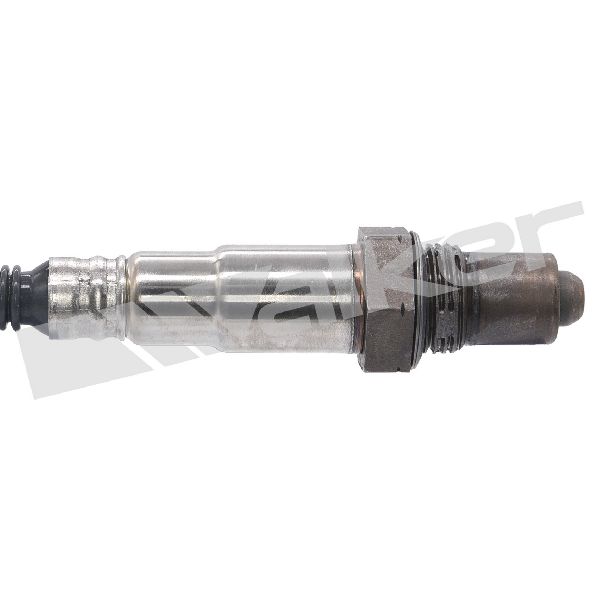
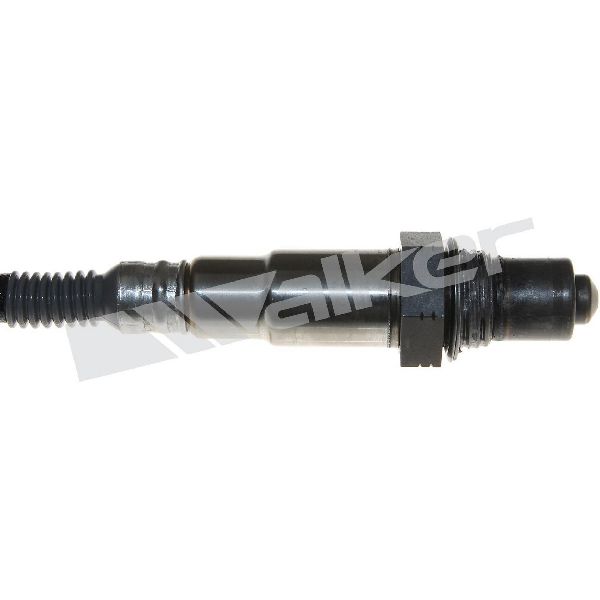
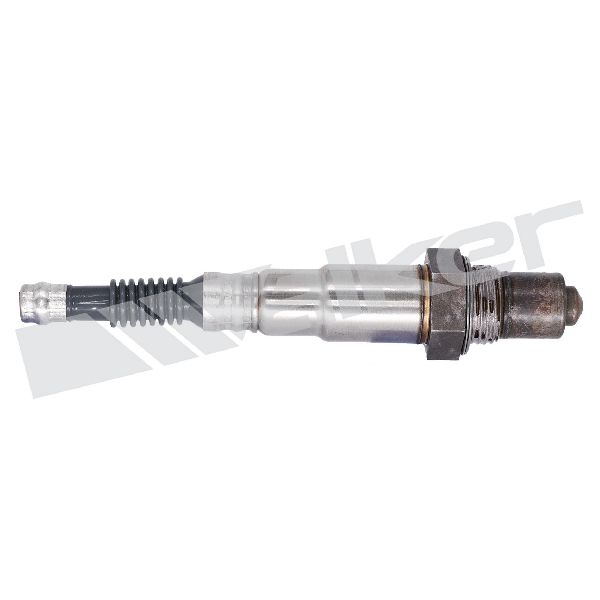
- Walker Products: A brand with a long history in fuel and emission system components.
- Tier 3: Economy Brands
These brands are the most affordable, but their use on a complex vehicle like a Cayenne is strongly discouraged by owners and mechanics for critical electronic sensors.- URO Parts: Forum discussions frequently mention quality control issues and premature failures with URO electronic parts on Porsches. While they may be suitable for simple, non-critical components, they are a risky choice for an oxygen sensor.
- DriveWire, Facet, Spectra: These fall into the general economy category. The potential for incorrect readings, early failure, and compatibility issues makes them a gamble.
Pro Tip: Always buy "direct-fit" sensors. These come with the correct plug for your Cayenne and require no wire splicing. Universal sensors are cheaper but create a potential point of failure at the wire connections.
Replacement Cost

Replacing oxygen sensors on a Cayenne is labor-intensive due to poor access, which drives up the cost. Prices vary based on your vehicle's specific engine and the brand you choose.
| Part/Service | Estimated Cost |
|---|---|
| New Aftermarket O2 Sensor (per sensor) | $30 - $291 |
| New OEM O2 Sensor (per sensor) | $150 - $400+ |
| Shop Labor (Independent Shop) | $450 - $1500+ |
| Total Professional Replacement (Aftermarket, per sensor) | $480 - $1791+ |
Costs are estimates and can vary based on location, shop rates, and which of the four sensors is being replaced. The replacement is very difficult, with some sensors requiring 4-6+ hours of labor.
Frequently Asked Questions (FAQ)
How many oxygen sensors does my Porsche Cayenne have?
Most 2008-2020 V6 and V8 Cayenne models have four oxygen sensors. 🎬 See how to locate oxygen sensors on a VR6 base model. There are two upstream sensors (one for each cylinder bank) and two downstream sensors.
What is the difference between an upstream and downstream sensor?
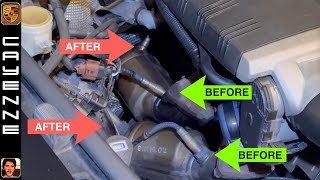
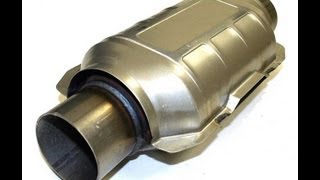
Upstream sensors (also called air-fuel ratio sensors) are located before the catalytic converter and are used by the engine computer to make rapid adjustments to the air-fuel mixture. Downstream sensors are located after the catalytic converter and primarily monitor the converter's health and efficiency.
Can I really do this replacement myself (DIY)?
This is considered a very difficult DIY job. Access to the sensors, especially the upstream ones, is extremely tight and may require special tools like offset or crowfoot wrenches. On some 958 generation (2011-2018) models, a special Porsche tool is recommended to move the engine slightly for access. It is a frustrating job that can take many hours.
🎬 Watch this 958 Cayenne oxygen sensor replacement walkthrough for help.Should I replace all four sensors at once?
If your Cayenne has over 80,000 miles, it is often recommended to replace the sensors in pairs (both upstream or both downstream) or all four at once. They wear out over time and often fail within a short period of each other. Given the high labor cost for access, replacing them all at once can save you money in the long run.
Is it safe to use a cheap oxygen sensor?
It is not recommended. Porsche engine management systems are sensitive, and a low-quality sensor can provide inaccurate data, leading to continued performance problems, poor fuel economy, and persistent check engine lights. Stick with OEM-equivalent brands like Bosch, Denso, or NTK for the best results.
Helpful Videos
Technical Specifications
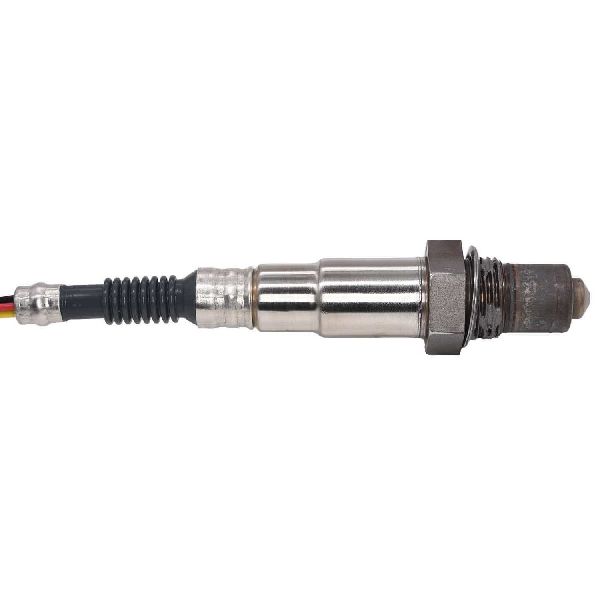
The Porsche Cayenne typically uses four oxygen sensors: two upstream (pre-catalytic converter) and two downstream (post-catalytic converter). These are direct-fit, heated sensors with specific electrical connectors for each position. Upstream and downstream sensors are not interchangeable. Bank 1 is the passenger side on North American vehicles.
We Have This Part in Stock


The information in this article is provided for general reference and educational purposes only. Vehicle specifications, procedures, and part compatibility can vary by production date, trim level, and region. Always consult your vehicle's factory service manual and verify part numbers before purchasing or performing repairs. Safety-critical components such as airbags, seat belts, and braking systems should be installed by a qualified professional.
- Porsche Cayenne: