

Choosing the Right Aftermarket Disc Brake Pads for Your 2008-2021 Freightliner Sprinter 2500
A guide to selecting the best new aftermarket brake pads to stop your heavy-duty van with confidence.
- Plan to replace brake rotors and pads at the same time for best performance and safety on a Sprinter.
- Choose your aftermarket pad material based on your van's usage: semi-metallic for heavy loads and towing, ceramic for quieter daily driving.
- Always replace the single-use electronic brake wear sensors when you install new pads.
- For 2019+ models with an electronic parking brake, you must use a scan tool or the dashboard menu to retract the rear calipers before service.
Understanding Brake Pads for Your Sprinter
Your 2008-2021 Freightliner Sprinter 2500 is a heavy vehicle that places high demands on its braking system. The original equipment (OEM) pads are specifically engineered for this weight, often using a hard, abrasive compound that provides strong stopping power but can also wear down rotors quickly and create significant brake dust. Many owners find that both pads and rotors need replacement at the same time. When choosing an aftermarket disc brake pad set, you're balancing cost, performance, noise, and pad life.
Known Issues & Recalls
Some 2019-2020 Sprinter models equipped with an electric parking brake were recalled for rear brake calipers that could leak fluid, potentially leading to increased brake pedal travel and a higher risk of a crash (NHTSA Campaign Number: 20V802000). Another recall for 2019 models involved brake lines potentially chafing against the fender liner, which could cause a fluid leak (NHTSA Campaign Number: 20V-181). While these recalls don't directly involve the brake pads themselves, they highlight the importance of inspecting the entire brake system during a pad replacement.
Choosing the Right Aftermarket Brake Pads
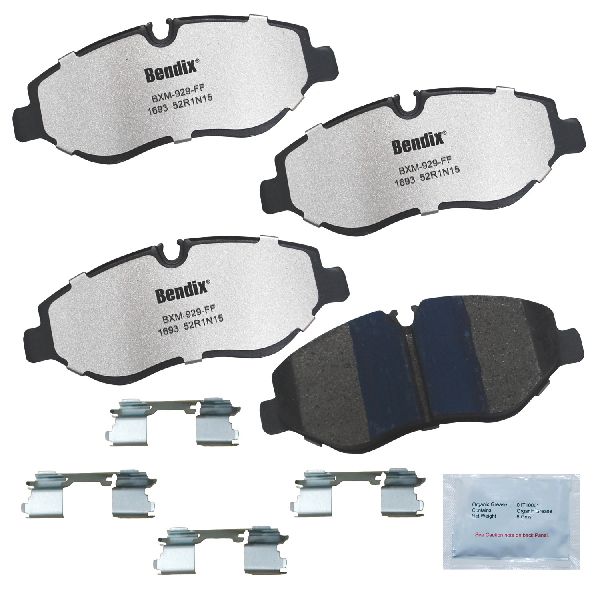
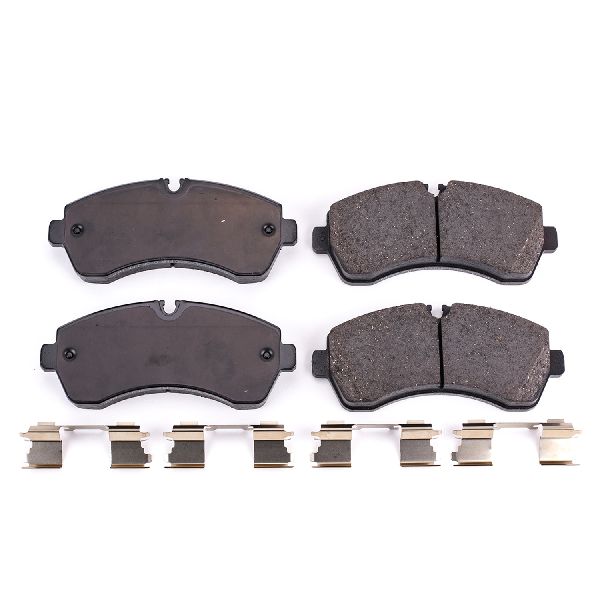
The aftermarket offers a wide range of brake pads for your Sprinter 2500. They generally fall into three categories: Economy, OEM-Equivalent, and Heavy-Duty/Performance. Your choice depends on your budget, how you use your van (e.g., city driving, heavy hauling, long highway trips), and your performance expectations.
Brand & Quality Tiers
Based on owner feedback and brand reputation, here’s a general breakdown of available brands:
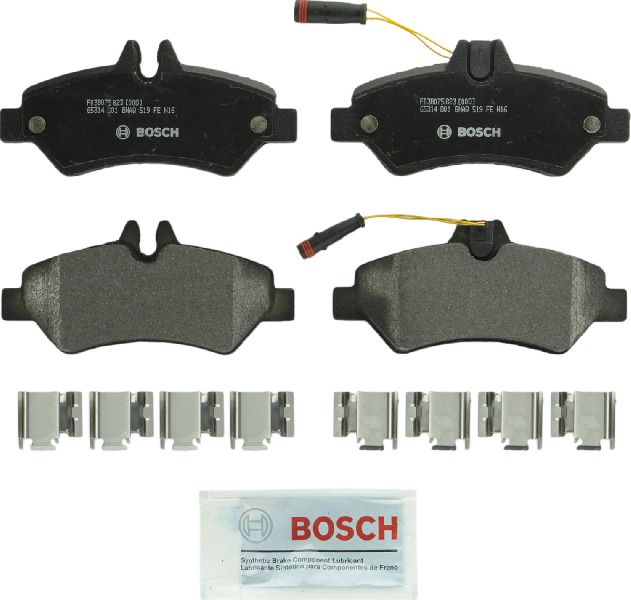
- OEM-Equivalent: Brands like Bosch, ATE, and Brembo are often considered to be of similar quality to the original parts. Bosch pads are frequently praised for their reliable performance and quiet operation. ATE is another German brand often found as original equipment on European vehicles.
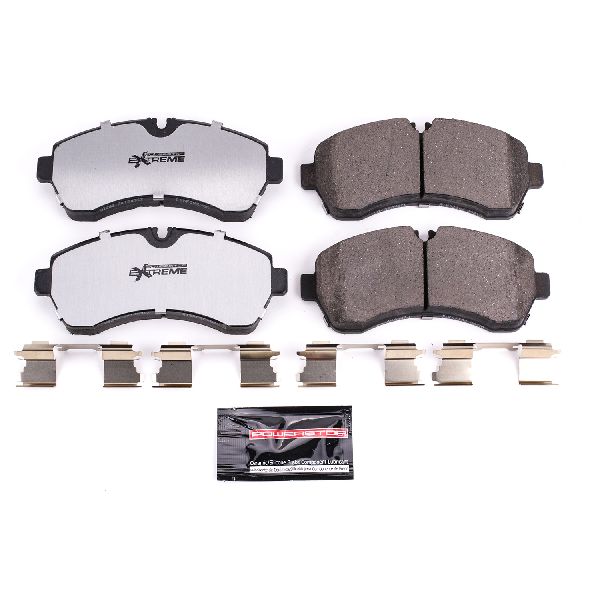
- Heavy-Duty & Performance: For those who tow, carry heavy loads, or simply want enhanced stopping power, brands like EBC Brakes, Performance Friction, and Powerstop are popular choices. A fleet manager noted that Performance Friction pads outperformed OEM parts under severe use. EBC offers different compounds, like "Greenstuff" for reduced dust and "Yellowstuff" for high-performance street use 🎬 Watch a review of EBC Yellowstuff pads for daily driving., though the latter can be more abrasive on rotors.
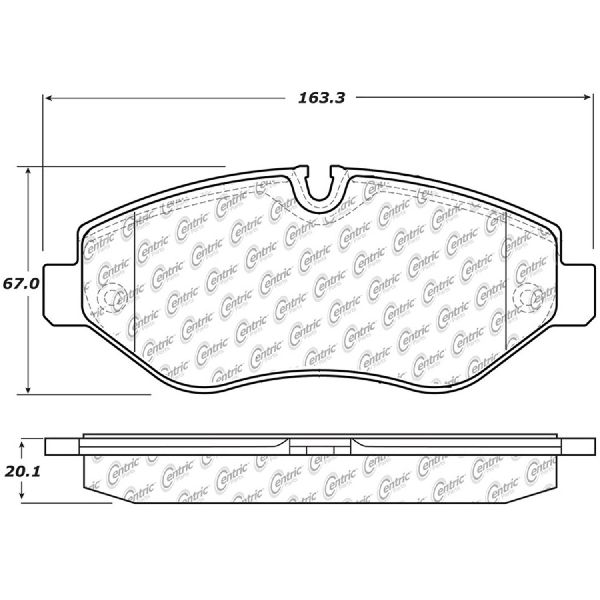
- Standard & Economy: Brands like Raybestos, Wagner, Centric, and Dynamic Friction offer a solid balance of quality and affordability for daily driving. They provide reliable stopping power for normal use. Economy-focused brands like Pronto and Total Stopping Solutions can meet budget needs but may not offer the same longevity or performance as higher-tiered options.
A Note on Rotors and Sensors
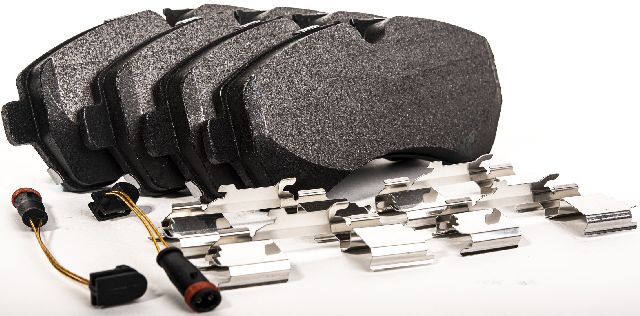
Many experienced Sprinter owners and mechanics recommend replacing the brake rotors at the same time as the pads. The original pads are hard and tend to wear the rotors down at a similar rate. Also, don't forget the brake wear sensors. Your Sprinter has electronic sensors that trigger a light on your dashboard when the pads are low. These are typically single-use and should be replaced with the pads.
Generation Differences (NCV3 vs. VS30)
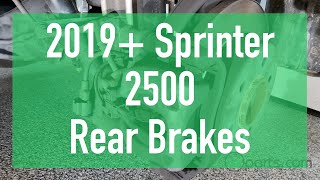
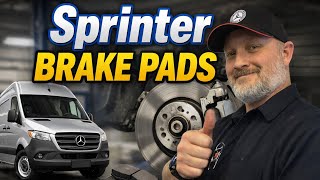
The 2008-2021 range covers two Sprinter generations: the NCV3 (2008-2018) and the VS30 (2019-2021). While the front calipers and rotors are largely similar, the VS30 models feature some updates, including a more powerful brake booster and slightly thicker rear rotors 🎬 See how to change the rear brakes on VS30 models.. Always confirm the exact fitment for your specific year and model, as parts are not always interchangeable. For VS30 models with an electronic parking brake, a special procedure is required to put the rear calipers into service mode 🎬 Follow this DIY guide for 2019+ Sprinter brake pad replacement. before replacement.
| Item | Estimated Cost |
|---|---|
| New Aftermarket Disc Brake Pad Set | $28 - $184 |
| Shop Labor | $80 - $282 |
| Total (Parts & Labor) | $108 - $466 |
Note: Costs are estimates and can vary based on your location, the specific brand of parts chosen, and whether you are also replacing rotors and sensors. A complete brake job including rotors can cost significantly more.
Frequently Asked Questions
How often do I need to replace my Sprinter's brake pads?
There is no set interval. It depends entirely on your driving style, load, and conditions (city vs. highway). Your van is equipped with brake wear sensors that will illuminate a warning light on the dashboard when the pads are worn to their minimum thickness. It's also good practice to visually inspect the pads during tire rotations.
What's the difference between ceramic and semi-metallic pads?
Semi-metallic pads, similar to the OEM style, offer excellent heat dissipation and stopping power, making them great for heavy-duty use, but they can be noisy and produce a lot of dust. Ceramic pads are known for being much quieter and producing less dust, but may not offer the same level of initial bite or high-temperature performance as semi-metallics, making them better suited for lighter-duty applications.
Can I replace just the brake pads and not the rotors?
While you can, it's widely recommended for Sprinters to replace pads and rotors together. The original pads are very hard and wear down the rotors, so installing new pads on worn, uneven rotors can lead to noise, vibration, and reduced braking performance. Many owners report that new rotors are affordable enough to make replacement the standard procedure.
What is a brake wear sensor?
A brake wear sensor is a small electronic probe attached to the brake pad. As the pad material wears down, the sensor eventually makes contact with the brake rotor, completing an electrical circuit and triggering a warning light on your dashboard. They are typically found on one or two wheels per axle and must be replaced when you install new pads.
Helpful Videos

Technical Specifications
Brake pad material types include semi-metallic, ceramic, and organic. The system uses electronic wear sensors to indicate replacement time. The NCV3 (2008-2018) and VS30 (2019-2021) generations may have different brake components, particularly in the rear and for models with electronic parking brakes. Always verify fitment with your vehicle's VIN.
We Have This Part in Stock

The information in this article is provided for general reference and educational purposes only. Vehicle specifications, procedures, and part compatibility can vary by production date, trim level, and region. Always consult your vehicle's factory service manual and verify part numbers before purchasing or performing repairs. Safety-critical components such as airbags, seat belts, and braking systems should be installed by a qualified professional.
- Freightliner Sprinter 2500: