

A Guide to Replacing the Oxygen Sensor on Your 2008-2023 Audi TT Quattro
Everything you need to know about choosing the right aftermarket oxygen sensor to keep your TT's engine running perfectly.
- Bosch is the OEM manufacturer; stick with Bosch, Denso, or NGK/NTK for reliable aftermarket replacements.
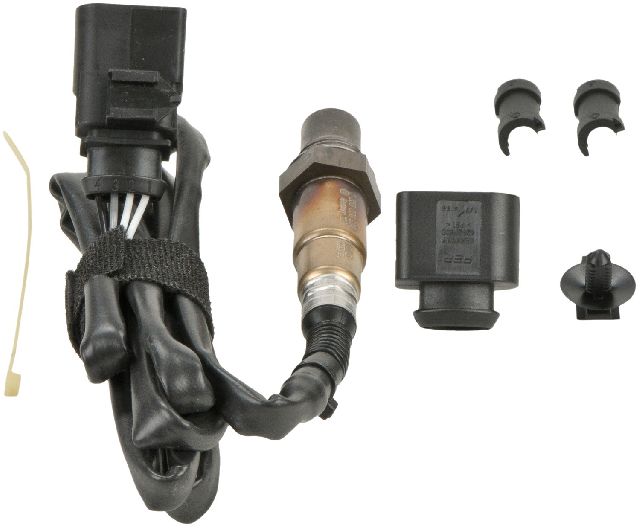
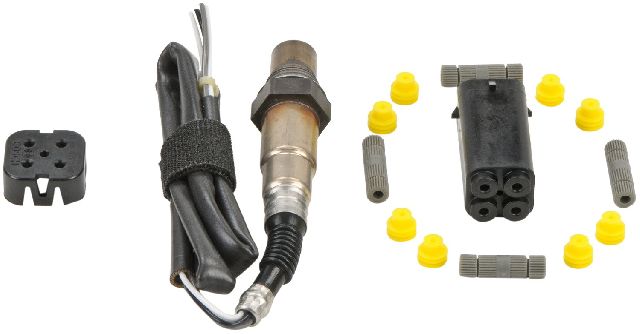
- Always use a direct-fit sensor. Universal sensors requiring wire splicing are not recommended for the TT Quattro.
- A check engine light is the primary symptom, but poor gas mileage and rough running are also key indicators.
- Ignoring a bad O2 sensor can lead to failure of the much more expensive catalytic converter.
Understanding Oxygen Sensor Failure in Your TT
Oxygen sensors operate in a harsh environment, constantly exposed to extreme heat and exhaust gases. Over time, they wear out and become less accurate. The typical lifespan is between 60,000 and 100,000 miles. Failure can be caused by normal aging, contamination from a leaking head gasket, burning oil, or using poor-quality fuel. Sometimes, the issue isn't the sensor itself but corroded wiring or a bad electrical connection.
Symptoms of a Bad Oxygen Sensor
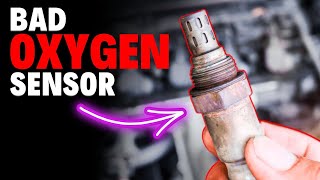
When an oxygen sensor starts to fail, your Audi TT will give you several warning signs. 🎬 Watch: A visual guide to these 6 common failure symptoms. Ignoring them can lead to more severe problems, including a damaged catalytic converter, which is a very expensive repair.
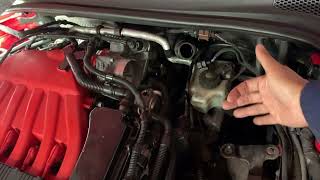
- Check Engine Light: This is the most common sign. A code scan will often point to a specific sensor or its circuit, such as P0141 for a heater circuit malfunction. 🎬 Watch: How to replace a downstream sensor for heater circuit codes.
- Poor Fuel Economy: A bad sensor can cause the engine to run rich (too much fuel), leading to more frequent stops at the gas station.
- Rough Idle and Misfires: Your engine may sputter, idle unevenly, or feel like it's about to stall.
- Reduced Power: You might notice your TT feels sluggish or hesitates during acceleration.
- Bad Smell: A failing sensor can lead to a rotten egg or sulfur-like smell from the exhaust.
- Failed Emissions Test: An O2 sensor that isn't working correctly is a common reason for failing a smog check.
Choosing the Right Aftermarket Oxygen Sensor
While you can buy a sensor from an Audi dealer, high-quality aftermarket options can provide the same performance for less money. For a sensitive vehicle like the TT Quattro, it's crucial to choose a reputable brand and a direct-fit part. Avoid universal sensors that require you to cut and splice wires, as this can lead to incorrect readings and further issues.
Aftermarket Brand Quality Tiers
| Tier | Brands | Notes |
|---|---|---|
| OEM / Premium Aftermarket | Bosch, Denso, NGK (NTK) | Bosch is the original equipment manufacturer (OEM) for many Audi parts, making it the safest choice for guaranteed compatibility and performance. Denso and NGK (also known as NTK) are highly respected Japanese brands known for their OE-quality sensors that often meet or exceed factory specifications. |
| Quality Aftermarket | Delphi, Spectra | Delphi is a major OE supplier for many car brands and produces reliable, fast-activating planar-style sensors. Spectra is another established aftermarket brand offering quality direct-fit options. |
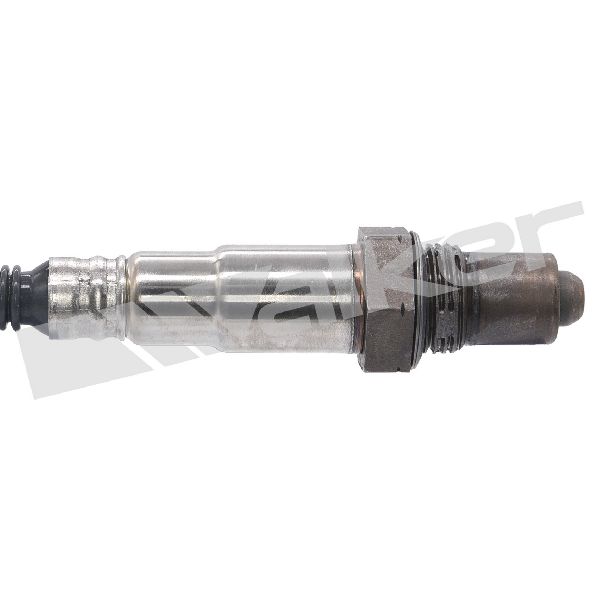
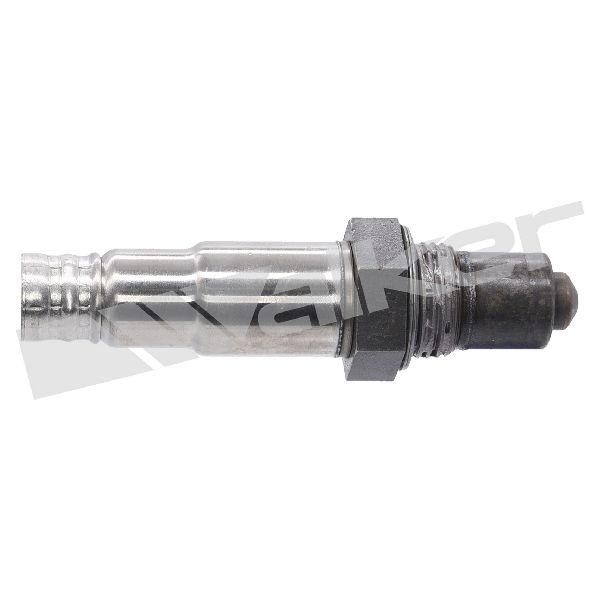
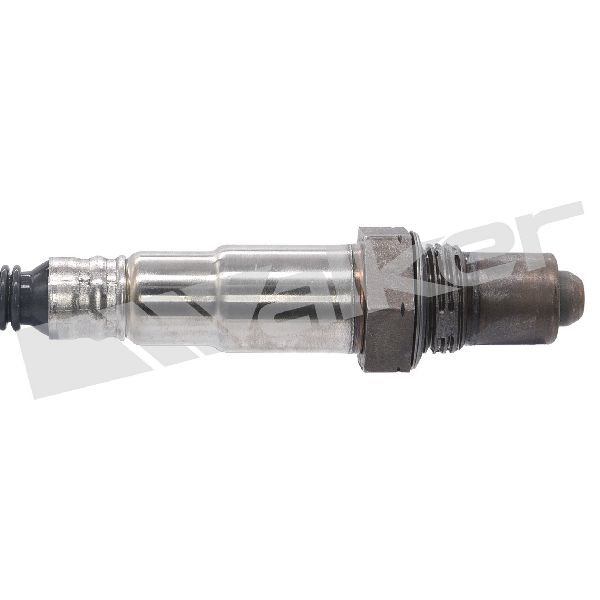
| Economy | Walker Products, DriveWire, Facet, Vemo | These brands offer a more budget-friendly solution. While many users have success with them, especially Walker, they are generally considered a step below the premium brands. Ensure you are buying a direct-fit model, not a universal one. |
Common Ordering Mistake
Your Audi TT has multiple oxygen sensors (up to four, depending on the engine). They are located upstream (before the catalytic converter) and downstream (after the catalytic converter). These sensors are not interchangeable. They have different wire lengths and connectors. Always confirm the exact location (e.g., Bank 1 Sensor 1, Bank 2 Sensor 2) before ordering a replacement.
Known Issues, Recalls, and TSBs
As of early 2026, there are no specific recalls or widespread Technical Service Bulletins (TSBs) from Audi or the NHTSA for oxygen sensor failure on the 2008-2023 TT Quattro. However, TSBs for other Audi models with similar engines show codes like P209600 (Post Catalyst Fuel Trim System Too Lean) can be caused by a contaminated rear oxygen sensor. Another TSB notes that codes P013E00 and P014A00 (delayed response) can occur during the break-in period of a new catalytic converter and may not require sensor replacement on very low-mileage vehicles.
Frequently Asked Questions (FAQ)
Which oxygen sensor do I need to replace?
You'll need a diagnostic scan tool to read the specific trouble code from your car's computer. The code will identify which sensor is failing (e.g., Bank 1, Sensor 2). Without this code, you are just guessing. A mechanic can perform this diagnosis for you.
Can I replace just one oxygen sensor?
Yes, you only need to replace the sensor that has failed. However, since they have a similar lifespan, mechanics often recommend replacing them in pairs (e.g., both upstream sensors) if your car has high mileage.
What's the difference between an upstream and downstream sensor?
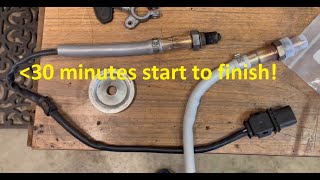
The upstream (pre-cat) sensor is the primary sensor for managing the air-fuel mixture. 🎬 See this DIY walkthrough for replacing the primary upstream sensor. The downstream (post-cat) sensor's main job is to check if the catalytic converter is working correctly. They are designed differently and cannot be swapped.
Is it okay to use a universal oxygen sensor?
It is highly discouraged for modern European cars like the Audi TT. Universal sensors require cutting your factory wiring and splicing the new sensor in. This can create resistance problems and lead to incorrect signals, causing the same problems you were trying to fix. Always use a direct-fit sensor with the correct plug.
Can I clean my old oxygen sensor?
While some people attempt to clean O2 sensors, it is generally not a reliable or long-term solution. If the sensor's internal heating element has failed (a common issue), cleaning will do nothing. Given the labor involved in removing the sensor, replacement is the recommended course of action.
Helpful Videos
Technical Specifications
OEM Part Numbers: 06K906262CS 06J906262AA 06F906262AC 022906265B 1K0998262D
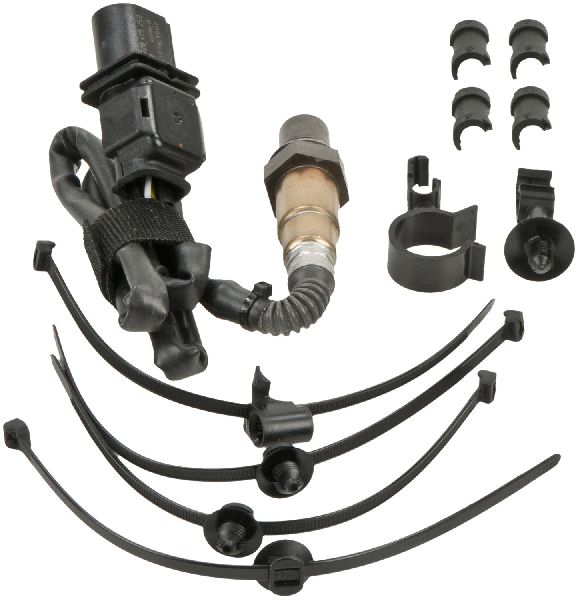
Your TT Quattro uses heated, 4-wire or 5-wire planar oxygen sensors. Upstream sensors are often wideband (5-wire), while downstream are typically narrowband (4-wire). The thread size is M18x1.5 and requires a 22mm wrench or specialized O2 sensor socket for removal.
We Have This Part in Stock

The information in this article is provided for general reference and educational purposes only. Vehicle specifications, procedures, and part compatibility can vary by production date, trim level, and region. Always consult your vehicle's factory service manual and verify part numbers before purchasing or performing repairs. Safety-critical components such as airbags, seat belts, and braking systems should be installed by a qualified professional.
- Audi TT Quattro: