

BMW X6 Engine Coolant Temperature Sensor: A Complete Guide (2008-2023)
Understanding the signs of a failing engine coolant temperature sensor and how to choose the right replacement for your X6.
- A bad ECT sensor can cause a Check Engine Light, poor fuel economy, overheating, and black smoke.
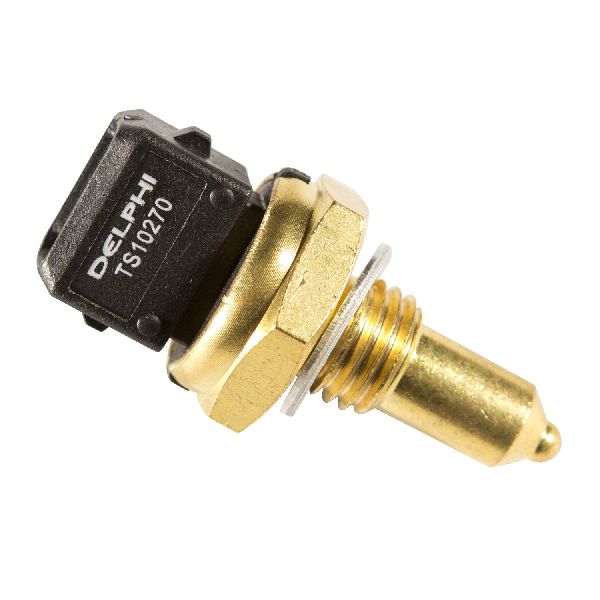
- For clip-in sensors, use a high-quality brand like Delphi to ensure a perfect fit and prevent leaks.
- The code P0128 is often a bad thermostat, not the sensor. Diagnose carefully before buying parts.
- Sensor location varies by engine (cylinder head vs. radiator hose), so confirm for your specific X6 model.
Is Your BMW X6 Engine Coolant Temp Sensor Failing?
A faulty Engine Coolant Temperature (ECT) sensor can cause a range of confusing problems, from poor performance to a scary-looking check engine light. Because this sensor provides vital data to your X6's computer, a bad reading can make the engine behave unpredictably. Ignoring the signs can lead to reduced fuel economy, failed emissions tests, and in severe cases, engine damage from overheating.
Common Symptoms of a Bad ECT Sensor
- Check Engine Light: The most common sign, often with codes like P0117, P0118, or P0128.
- Poor Fuel Economy: If the sensor incorrectly tells the computer the engine is cold, it will continuously run a rich fuel mixture.
- Black Smoke from Exhaust: A result of an overly rich fuel mixture that doesn't burn completely in the combustion chamber.
- Engine Overheating or Running Too Cool: The sensor helps control the cooling fans. A bad signal can prevent them from turning on when needed, or cause them to run constantly.
- Erratic Temperature Gauge: The gauge on your dashboard may behave strangely, jumping between hot and cold or not moving at all.
- Hard Starting: The engine may be difficult to start, especially when cold, because the fuel mixture isn't correct.
Choosing the Right Aftermarket Sensor for Your X6
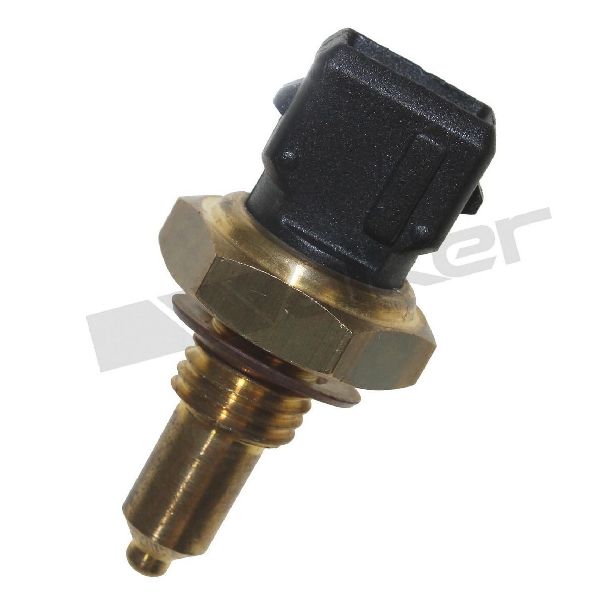
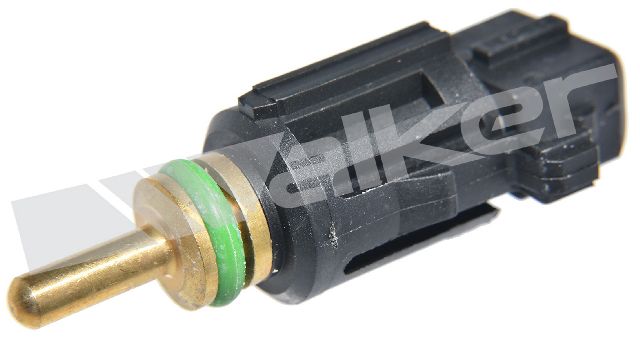
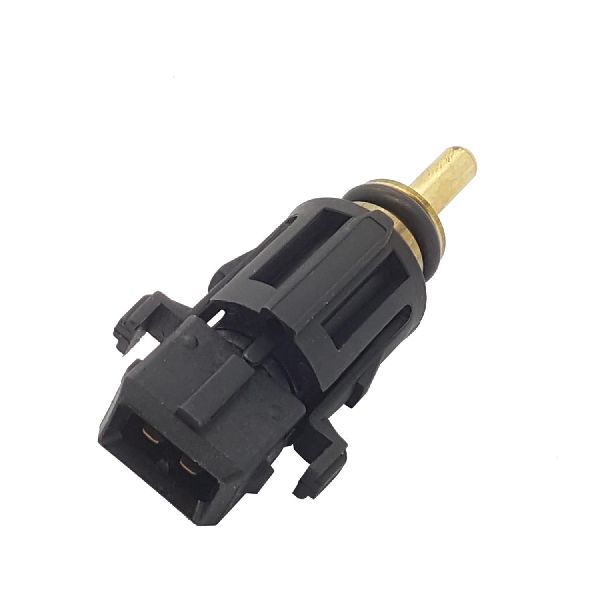
When replacing a critical sensor on a BMW, the quality of the replacement part matters. While an OEM sensor from a dealer is always an option, high-quality aftermarket parts can offer the same performance for a lower price. For the X6, some sensors are threaded into the engine block or cylinder head, while others clip into a radiator hose. For clip-in sensors, a precise fit is essential to prevent a massive coolant leak.
Aftermarket Brand Tiers
Not all aftermarket brands are created equal. Here’s a breakdown of what to look for:
- Tier 1: OE-Equivalent Brands (e.g., Delphi, NGK, Vemo): These companies are often the original equipment manufacturers for BMW. A brand like Delphi is known for its OE heritage and one-piece sensor designs that improve reliability. Choosing from this tier is the closest you can get to dealer quality without the dealer price tag.
- Tier 2: Reputable Aftermarket (e.g., Beck Arnley, Standard Ignition, Walker Products): These are well-known brands in the aftermarket industry that produce reliable parts. They are a solid choice for a balance of quality and cost.
- Tier 3: Value Brands (e.g., URO Parts, Facet, Four Seasons): These brands offer a cost-effective solution. While many of their parts meet specifications, some owners have reported fitment issues with clip-in style sensors from value-oriented brands. For a threaded sensor, the risk is lower, but for a sensor that clips into a hose, it may be worth spending more for a Tier 1 or Tier 2 brand to ensure a perfect seal.
Pro Tip: Sensor vs. Thermostat
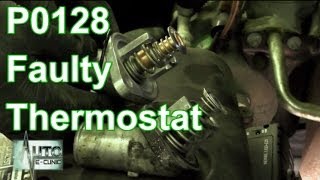
The trouble code P0128 (Coolant Temperature Below Thermostat Regulating Temperature) can be caused by a bad ECT sensor, but it is most often caused by a thermostat that is stuck open. If you only have a P0128 code and your engine is slow to warm up, your thermostat is the more likely culprit. 🎬 Watch this guide to diagnosing a P0128 thermostat code If you have codes like P0117 or P0118, which point directly to a sensor circuit fault, the sensor itself is the primary suspect.
Typical Replacement Costs
The cost to replace the ECT sensor on a BMW X6 can vary based on the part quality and labor rates.
| Part/Service | Estimated Cost |
|---|---|
| New OEM Sensor | $50 - $110 |
| New Aftermarket Sensor | $19 - $162 |
| Shop Labor | $100 - $225 |
| Total (Aftermarket Part + Labor) | $119 - $387 |
Frequently Asked Questions
Where is the ECT sensor located on my BMW X6?
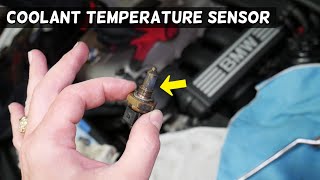
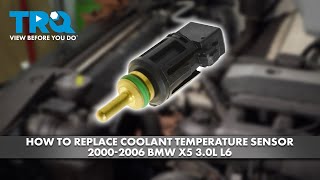
The location varies significantly by your X6's generation and engine. On many six-cylinder models (like the N54/N55 in E71 and F16 generations), the primary sensor is threaded into the cylinder head. 🎬 Watch: Locate and replace the sensor on N54/N55 engines On some V8 models (like the N63 in the E71) and later generation G06 models, a key sensor is located in the upper radiator hose. 🎬 See how to swap the sensor on V8 N63 engines Always verify the location for your specific engine before ordering parts.
Do I need to drain the coolant to replace the sensor?
It is highly recommended. To do the job correctly and avoid a mess, you should partially drain the cooling system. Some DIYers attempt to quickly swap the sensor to minimize coolant loss, but this is risky and can introduce air into the system. After replacement, the system may need to be bled to remove any trapped air pockets.
My BMW has multiple temperature sensors. Which one is this?
Modern BMWs have several temperature sensors. There is the primary Engine Coolant Temperature (ECT) sensor that communicates with the DME, a sensor at the radiator outlet, and sometimes an oil temperature sensor. The ECT sensor is the one that primarily affects engine performance and fuel mixture. It's important to diagnose which sensor has failed before replacing parts.
Can a bad ECT sensor prevent my X6 from starting?
Yes, it's possible. If the sensor sends a signal to the DME that is completely out of range (e.g., an extremely hot or cold reading), the computer may prevent the engine from starting to protect itself. A hard start or no-start condition can be a symptom of a failed ECT sensor.
Helpful Videos

Technical Specifications
OEM Part Numbers: 13621433077 13627580635 13628650714
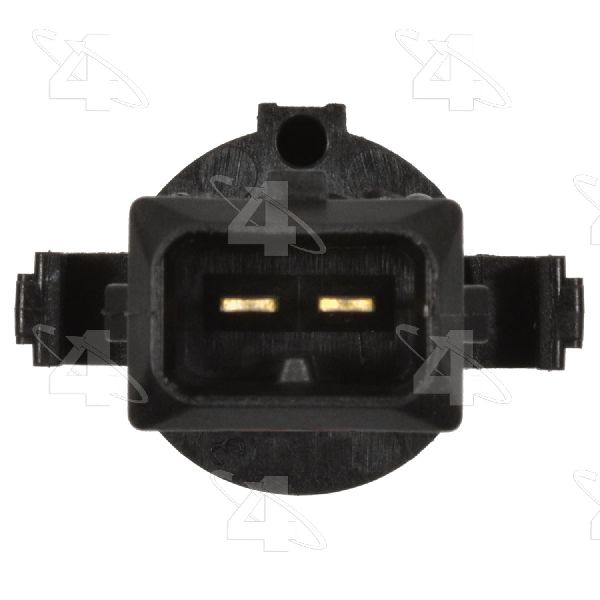
Typically a 2-pin, plug-in sensor. Can be either threaded for block/head mounting or a clip-in design for hose mounting. Resistance changes with temperature to send a variable voltage signal to the DME.
We Have This Part in Stock


The information in this article is provided for general reference and educational purposes only. Vehicle specifications, procedures, and part compatibility can vary by production date, trim level, and region. Always consult your vehicle's factory service manual and verify part numbers before purchasing or performing repairs. Safety-critical components such as airbags, seat belts, and braking systems should be installed by a qualified professional.
- BMW X6: