

Dodge Challenger Engine Cooling Fan Assembly Guide (2008-2023)
Keep your Challenger's powerful engine from overheating by understanding the signs of a failing cooling fan.
- Overheating at idle and poor A/C performance when stopped are the top signs of a bad cooling fan.
- Always verify your specific engine (V6, 5.7L, 6.4L, Hellcat) before ordering, as fan assemblies are not interchangeable.
- Before replacing the entire assembly, check for simple fixes like a blown fuse or bad relay.
- Driving with a failed cooling fan can lead to severe engine damage from overheating; it should be addressed immediately.
Is Your Challenger Overheating in Traffic?
For Dodge Challenger owners across the entire 2008-2023 model run, one of the most common issues is a failing engine cooling fan assembly. The most obvious signs are an engine temperature gauge that starts to climb when you're idling or in stop-and-go traffic, and an air conditioning system that blows warm air in the same situations. Once you start moving at higher speeds, the temperature often returns to normal because natural airflow takes over the fan's job. A loud grinding or whining noise from the front of the car when the fan should be running is another clear indicator of a failing motor bearing.
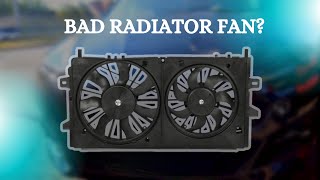
🎬 Watch this video to identify common symptoms of a bad fan.Known Issues: Recalls and Technical Service Bulletins (TSBs)
Potential Fire Risk Recall
While not for the Challenger specifically, it's important to note that FCA has issued recalls for other vehicles (like the Ram ProMaster) using similar cooling fan technology. Recall NHTSA 19V-818 was issued because a seized cooling fan motor could overload the electrical circuit and potentially cause a fire. Symptoms included the check engine light or engine temperature light coming on. While your Challenger may not be under this specific recall, it highlights the importance of addressing a failing fan promptly.
Choosing the Right Aftermarket Fan Assembly
When replacing your Challenger's cooling fan, you have options outside of the expensive OEM Mopar part. Aftermarket brands offer a cost-effective solution. However, quality can vary.
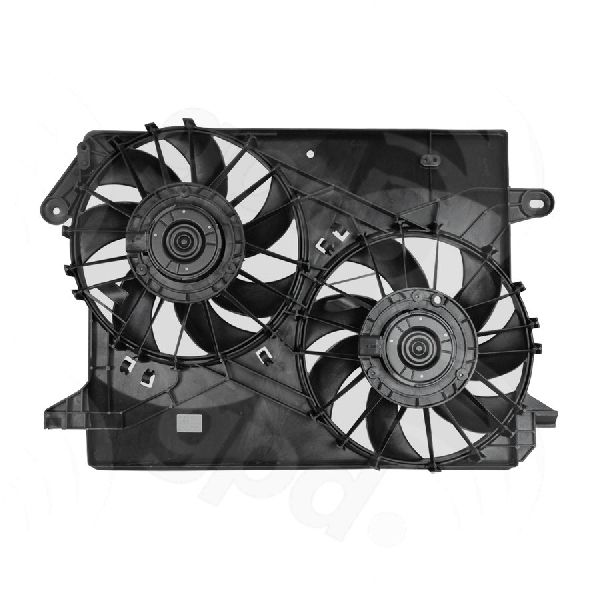
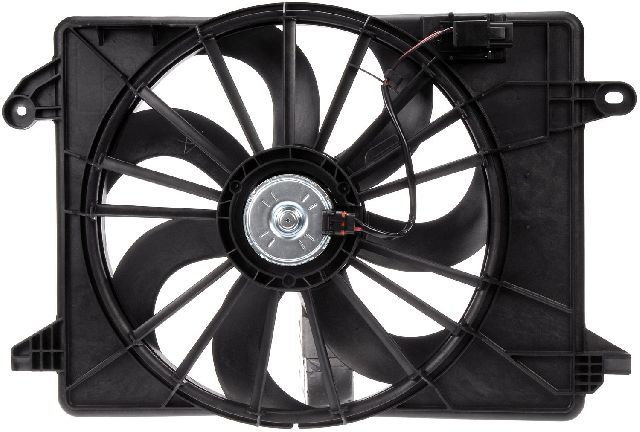
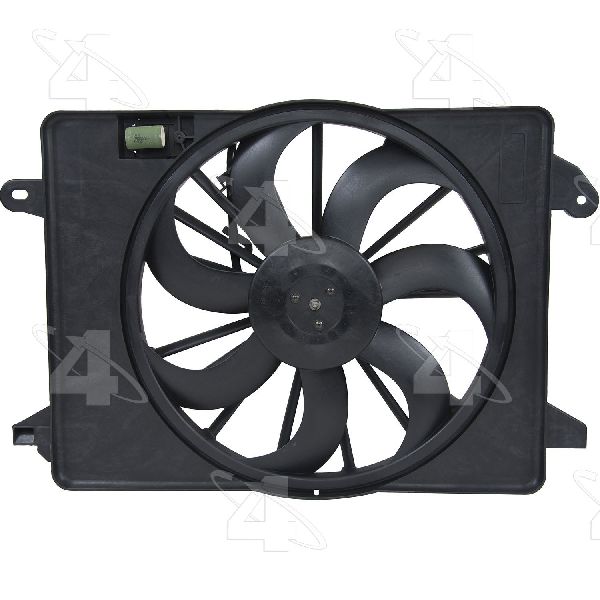
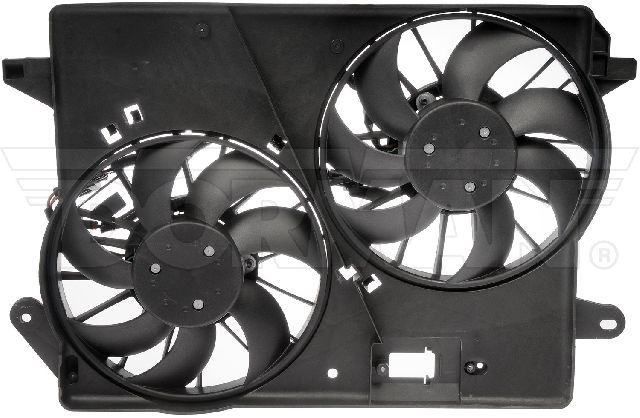
- Premium Aftermarket (e.g., Dorman, Four Seasons): These brands are well-known in the industry. Dorman often engineers parts to match the original fit and performance and may even offer design improvements. Four Seasons is a trusted name in cooling and climate control systems. These brands are a solid choice for a balance of quality and price, often meeting or exceeding OEM standards.
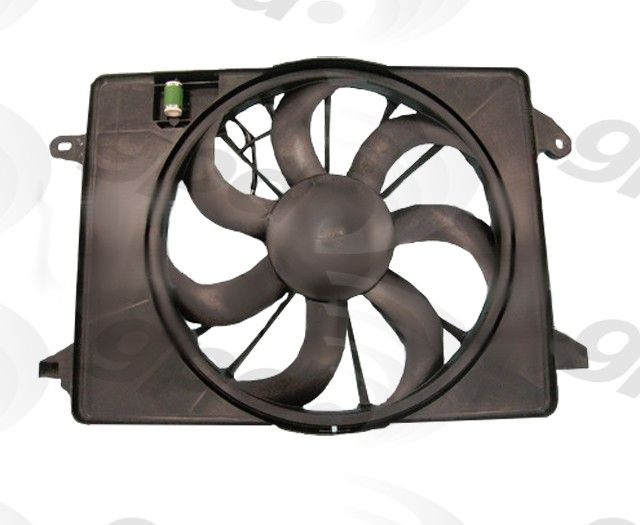
- Standard Aftermarket (e.g., Global Parts, Skyward, TYC): These brands provide a functional, budget-friendly replacement. They are designed to be a direct fit and get the job done. While they may not have the same long-term durability reputation as premium brands or OEM, they are a viable option to get your car back on the road without a high expense.
Pro Tip: The single most important step is to correctly identify your Challenger's engine (V6, 5.7L V8, 6.4L V8, Hellcat, etc.) before ordering. Different engines have different cooling requirements and use different, non-interchangeable fan assemblies.
Cost of Replacing a Dodge Challenger Cooling Fan
| Part Type | Estimated Cost |
|---|---|
| New OEM (Mopar) | $450 - $950+ |
| New Aftermarket | $112 - $675 |
| Used OEM | $100 - $350 |
| Shop Labor | $100 - $250 |
Frequently Asked Questions
Is the radiator fan the same as the A/C fan?
Yes, on the Dodge Challenger, the electric fan assembly cools both the engine radiator and the A/C condenser, which are stacked together at the front of the car. A problem with the fan will affect both systems.
My new fan doesn't work. What should I check?
Before assuming the new part is bad, always check the simple things first. The most common culprits are a blown fuse or a bad relay in the fuse box. You should also check the electrical connector to ensure it is plugged in securely. If those are good, the issue could be a faulty coolant temperature sensor or a problem with the vehicle's main power module (TIPM).
🎬 Learn why your Challenger fan might not be turning on.What causes the cooling fan to fail?
The electric motor is the most common point of failure. Over time, the internal bearings can wear out, causing noise and eventually seizing the motor. Electrical issues, such as problems with the fan's resistor or control module, can also prevent it from working. Physical damage to the fan blades from road debris is less common but possible.
Can I replace just the motor or do I need the whole assembly?
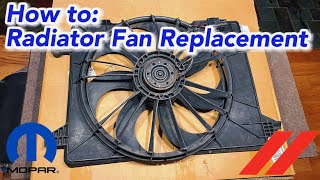
Most aftermarket parts are sold as a complete assembly, including the shroud, motor, and fan blades. This is because it's typically easier and more reliable to replace the entire unit. Trying to replace just the motor can be difficult and may not save much money in the long run.
🎬 See how easy it is to replace the fan assembly yourself.Helpful Videos
![Symptoms of a Bad Radiator Fan [With Proven Fixes]](https://img.youtube.com/vi/y31HVtX9nu0/mqdefault.jpg)
Technical Specifications
OEM Part Numbers: 5170741AA 68189000AD 55111282AC
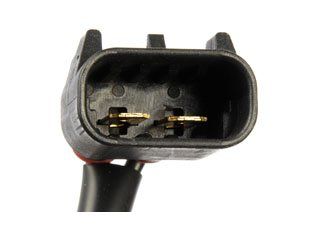
The assembly is a direct-fit, dual or single electric fan unit with an integrated shroud. It connects via a single electrical harness. Different versions exist for standard cooling, heavy-duty cooling (V8 models), and high-performance models like the Hellcat, with varying motor power and blade designs.
We Have This Part in Stock

The information in this article is provided for general reference and educational purposes only. Vehicle specifications, procedures, and part compatibility can vary by production date, trim level, and region. Always consult your vehicle's factory service manual and verify part numbers before purchasing or performing repairs. Safety-critical components such as airbags, seat belts, and braking systems should be installed by a qualified professional.
- Dodge Challenger: