

Dodge Challenger Engine Intake Manifold Temperature Sensor Guide (2008-2023)
Understanding and replacing the intake air temperature sensor on your V6 or V8 Challenger.
- A failing IAT sensor commonly causes a Check Engine Light with code P0113, rough idle, and poor fuel economy.
- This is a very simple and inexpensive DIY repair that most owners can complete in under 15 minutes.
- Aftermarket brands like Standard Ignition offer a reliable and cost-effective alternative to more expensive OEM parts.
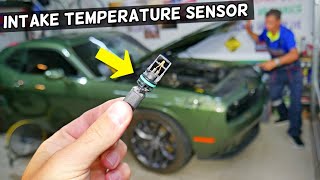
- Pay attention to the physical shape of the sensor; ensure the replacement matches the original part from your Challenger.
Symptoms of a Failing Intake Temperature Sensor
When the IAT sensor starts to fail, it sends incorrect temperature readings to your Challenger's computer. This can cause a variety of noticeable issues as the engine struggles to maintain the proper air-fuel mixture.
| Symptom | Description |
|---|---|
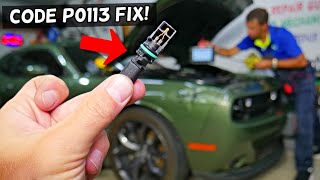
| Check Engine Light | This is often the first sign. A failing sensor will trigger a fault code, most commonly P0113 (Intake Air Temperature Sensor Circuit High Input), which illuminates the light on your dash. | 🎬 Watch: How to fix a P0113 code on your Challenger
| Rough Idle | An incorrect air-fuel mixture can make your engine idle erratically. The RPM needle may jump up and down, or the engine might feel like it's shaking or about to stall. |
| Reduced Fuel Economy | If the sensor falsely reports cold air, the computer will inject more fuel than necessary, leading to more frequent trips to the gas station. |
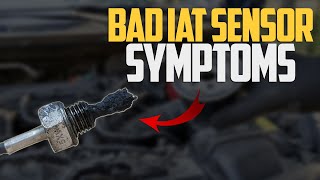
| Poor Acceleration & Power Loss | Your Challenger may feel sluggish or hesitant when you press the gas pedal. The engine isn't getting the right fuel mixture to produce its full power. | 🎬 See a breakdown of the top 5 bad sensor symptoms
| Hard Starting | Especially when the engine is cold, a bad IAT sensor can make it difficult to start the car because the initial fuel mixture is incorrect. |
Choosing an Aftermarket Replacement Sensor
For a component like the IAT sensor, aftermarket parts offer a cost-effective solution without a significant compromise in quality compared to the original equipment (OE) part. The technology is straightforward, and trusted brands produce reliable replacements.
Standard Motor Products (Standard Ignition):
Standard Ignition is a well-established brand in the aftermarket industry, known for producing a wide range of reliable electronic components. Their sensors are designed as direct-fit OE replacements, which means they should install without any modifications. They are manufactured with quality materials to withstand under-hood conditions and undergo testing to ensure reliability. For a common-failure part like an IAT sensor, a Standard Ignition replacement is a dependable and budget-friendly choice for most Challenger owners.
Pro Tip: Check the Probe Length
Early and later model Challengers may use sensors with different probe lengths (short vs. long). While they may plug in, using the wrong one can affect the accuracy of the temperature reading and performance. Always match the new part to the original you are replacing or verify the correct part number for your specific year and engine.
Cost of Replacing the Intake Temperature Sensor
Replacing the IAT sensor is one of the more affordable repairs you can perform on your Challenger. The part itself is inexpensive, and labor is minimal due to its easy accessibility.
| Part/Service | Estimated Cost |
|---|---|
| New Aftermarket Sensor | $22 - $57 |
| Shop Labor | $50 - $100 |
| Total Estimated Cost | $72 - $157 |
Note: Costs are estimates and can vary based on your location, the specific part chosen, and local labor rates. This repair is very DIY-friendly, which can save you the entire cost of labor.
Frequently Asked Questions
Where is the IAT sensor located on a Dodge Challenger?
On most Challenger engines (like the 3.6L V6), the IAT sensor is located on the plastic air intake tube, just before the throttle body. You'll need to remove the engine cover to see it. 🎬 Watch this video to find the sensor's exact location It's a small plastic sensor that twists and pulls out of a rubber grommet in the intake duct.
Can I drive my Challenger with a bad IAT sensor?
Yes, but it's not recommended for long. While the car will run, you'll experience poor performance, bad fuel mileage, and potentially a rough idle. Driving for extended periods with a very rich or lean fuel mixture is not healthy for the engine or catalytic converters.
Is this a difficult repair to do myself?
No, this is a very easy DIY job for any skill level. It typically requires no special tools. The process involves removing the engine cover, unplugging the electrical connector, twisting the old sensor out, and installing the new one. The entire job can usually be done in under 15 minutes.
Do I need to disconnect the battery to change the IAT sensor?
It is always a best practice to disconnect the negative battery terminal before working on any electrical components. However, for a simple sensor swap like this, many people do not. The most important thing is to ensure the ignition is off and the key is out.
Are there any recalls for the Challenger IAT sensor?
No, there are no specific recalls issued by Dodge or the NHTSA for the Engine Intake Manifold Temperature Sensor on 2008-2023 Challengers. Any related recalls typically involve other components of the engine management system.
Helpful Videos

Technical Specifications
OEM Part Numbers: 05149182AB
The sensor is a thermistor, meaning its electrical resistance changes with temperature. It is typically a two-terminal sensor that plugs into the intake air duct.
We Have This Part in Stock


The information in this article is provided for general reference and educational purposes only. Vehicle specifications, procedures, and part compatibility can vary by production date, trim level, and region. Always consult your vehicle's factory service manual and verify part numbers before purchasing or performing repairs. Safety-critical components such as airbags, seat belts, and braking systems should be installed by a qualified professional.
- Dodge Challenger: