

Guide to the Engine Coolant Temperature Sensor for the 2008-2024 Audi A5 Quattro
Is your Audi A5 running hot, getting poor gas mileage, or showing a check engine light? Your coolant sensor might be the problem.
- Symptoms of a bad sensor include an erratic temperature gauge, poor fuel economy, a check engine light (P2181, P0117), and overheating.
- Choose high-quality aftermarket brands like Hella, Delphi, or NGK for this critical sensor to ensure accuracy and avoid performance issues.
- The sensor's location and replacement difficulty vary greatly between 2.0T and V6 engines; the 2.0T often requires removing the intake manifold.
- Check if your A5 is affected by the separate recall for the electric coolant pump, which can be a fire risk.
Is Your Audi A5 Quattro's Coolant Sensor Failing?

A bad Engine Coolant Temperature (ECT) sensor can cause a surprising range of problems in your A5. Because the sensor's reading affects so many different engine systems, a false signal can lead to everything from an annoying check engine light to serious performance issues. Recognizing the signs early can prevent more expensive repairs down the road.
Common Symptoms of a Bad ECT Sensor:
🎬 Watch this video to see common symptoms of a failing sensor.- Check Engine Light: This is often the first warning. An OBD-II scanner might show codes like P0117, P0118, or P2181 ("Cooling System Performance").
- Erratic Temperature Gauge: The needle on your dashboard might swing wildly from cold to hot, or not move at all.
- Poor Fuel Economy: If the sensor wrongly tells the ECM the engine is cold, it will inject extra fuel, hurting your gas mileage.
- Engine Overheating: A faulty sensor may fail to signal the cooling fans to turn on, causing the engine to overheat.
- Cooling Fans Run Constantly: As a fail-safe, the ECM might run the cooling fans all the time, even when the engine is cold.
- Black Smoke from Exhaust: This is a sign that the engine is running too rich (too much fuel), which can be caused by a bad sensor reading.
- Rough Idle or Stalling: An incorrect fuel mixture can make the engine run poorly, especially when idling.
Important Cooling System Recall Information
While not for the sensor itself, a major recall was issued for the electric after-run coolant pump on many 2013-2017 Audi A5 models with the 2.0L TFSI engine. This pump can short-circuit and create a fire risk. It is critical to check with an Audi dealer or use the NHTSA website to see if your vehicle is affected by recall numbers 17V-002 or 18V-229.
Choosing the Right Aftermarket Sensor

When replacing an electronic sensor on a German vehicle like your A5, quality matters. While budget-friendly options exist, an inaccurate sensor can cause performance issues that defeat the purpose of the repair. For this part, it's best to stick with trusted brands.
Pro Tip: For critical sensors, choosing a brand known for being an Original Equipment Supplier (OES) is a safe bet. These companies manufacture parts for Audi directly, so their aftermarket products often meet the same quality standards.
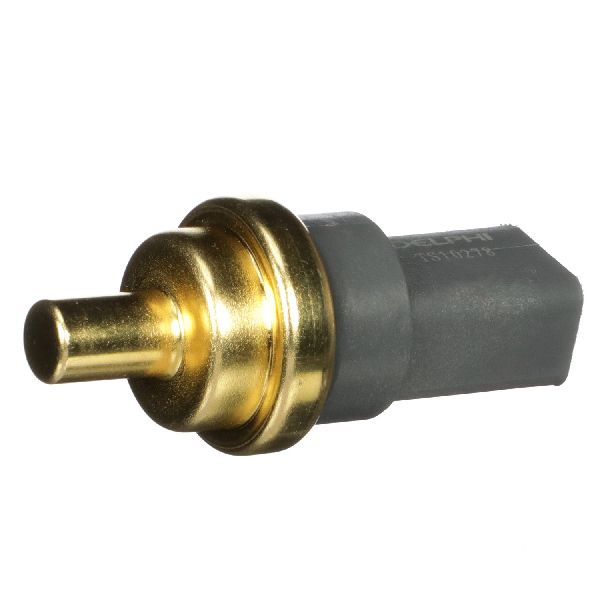
- Tier 1 (OES & Top-Tier Aftermarket): Brands like Hella, Delphi, Vemo, and NGK (NTK) are often suppliers to German automakers or have a strong reputation for quality and accuracy. These are highly recommended for a reliable, long-lasting repair.
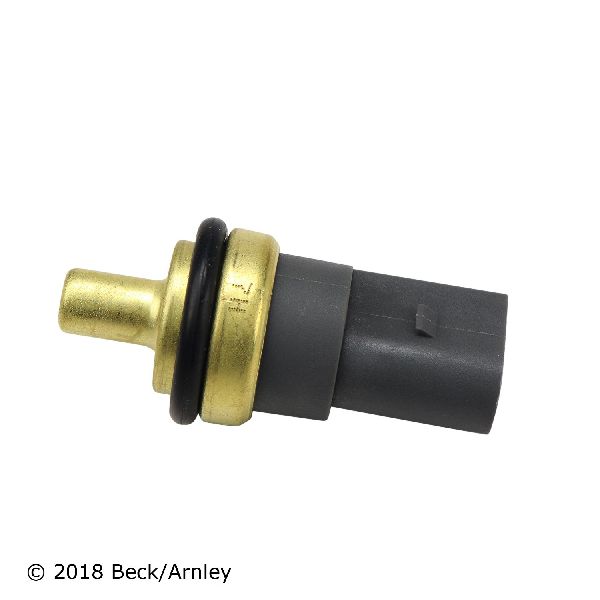
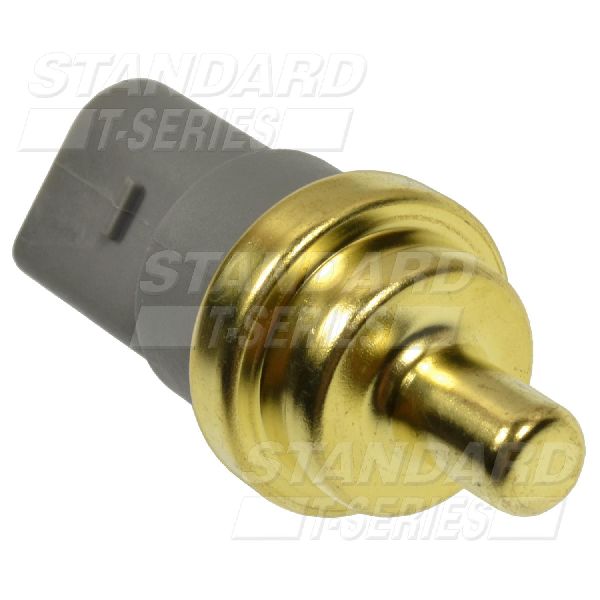
- Tier 2 (Reputable Aftermarket): Brands such as Standard Ignition (SMP), Beck Arnley, and Holstein are well-known in the aftermarket and generally offer good quality and performance. These are solid choices that balance cost and reliability.
- Tier 3 (Budget): Brands like Four Seasons and Global Parts may offer a lower price point, but for a critical sensor like the ECT, it's often worth spending a little more to ensure accurate readings and avoid potential driveability problems.
Cost to Replace an Audi A5 Quattro Coolant Temperature Sensor
| Part Type | Estimated Cost |
|---|---|
| New Aftermarket Sensor | $13 - $65 |
| New OEM (Dealer) Sensor | $40 - $90 |
| Shop Labor | $100 - $300+ |
| Total Professional Replacement | $140 - $390+ |
Frequently Asked Questions

Where is the engine coolant temperature sensor located on my Audi A5?
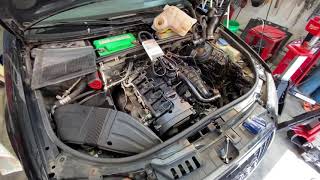
The location varies significantly by engine. On many 2.0T engines, the main sensor is notoriously difficult to access, as it's located on the water pump assembly underneath the intake manifold. On 3.2L or 3.0T V6 engines, you may find one on a coolant pipe at the rear of the engine near the firewall or on a coolant crossover pipe at the front. Some engines have more than one sensor. Always verify the correct location for your specific engine before starting work.
🎬 See where the sensors are located on a 2.0T engine.Is this a difficult part to replace myself?
The difficulty ranges from easy to very difficult. If the sensor is easily accessible on a coolant hose, it can be a 30-minute job for a DIYer. However, if it's the sensor under the intake manifold on a 2.0T engine, the job requires significant disassembly and can take several hours. If you are not comfortable removing major engine components, this job is best left to a professional.
What is the difference between an engine coolant sensor and a thermostat?
The sensor is an electronic part that reads the temperature and tells the computer. The thermostat is a mechanical valve that regulates the temperature by controlling coolant flow to the radiator. A thermostat stuck open often causes the engine to warm up very slowly and not reach full operating temperature, which can trigger a P2181 code. 🎬 Learn more about diagnosing P2181 codes and replacing the sensor. A bad sensor is more likely to cause erratic gauge readings or send incorrect signals.
My temperature gauge reading seems slow to update. Is my sensor bad?
Not necessarily. Audi implements a software strategy to "smooth" the temperature reading on the dash to prevent it from fluctuating constantly in traffic. For example, the display won't show rising temperatures until the vehicle is moving faster than about 12 mph. This is normal and designed to prevent false overheating warnings from heat soak when stationary.
Helpful Videos

Technical Specifications
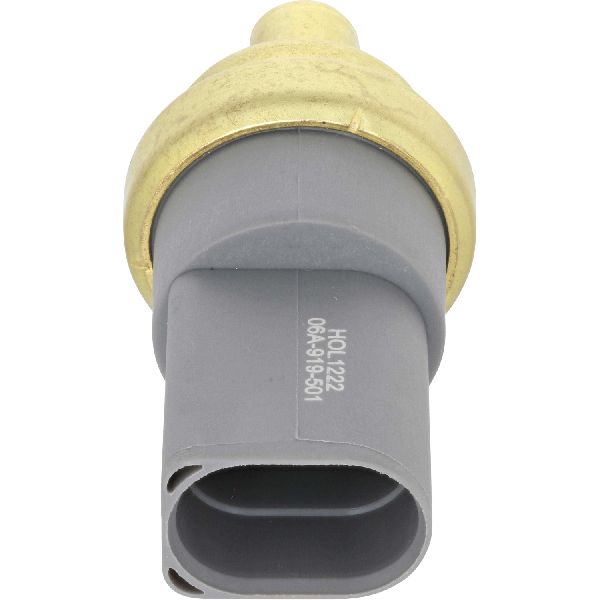
OEM Part Numbers: 06A919501A 059919501A 078-919-501-C 079-919-525-M
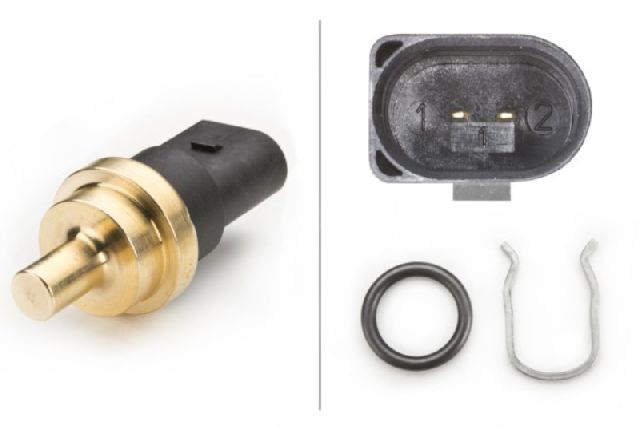
Typically a 2-pin or 4-pin thermistor sensor that changes resistance based on coolant temperature. It is sealed with an O-ring and held in place by a plastic or metal clip, or bolts.
We Have This Part in Stock


The information in this article is provided for general reference and educational purposes only. Vehicle specifications, procedures, and part compatibility can vary by production date, trim level, and region. Always consult your vehicle's factory service manual and verify part numbers before purchasing or performing repairs. Safety-critical components such as airbags, seat belts, and braking systems should be installed by a qualified professional.
- Audi A5 Quattro:
- 🎬 Helpful Videos
- 🛍️ Shop This Part
- Is Your Audi A5 Quattro's Coolant Sensor Failing?
- Common Symptoms of a Bad ECT Sensor:
- Important Cooling System Recall Information
- Choosing the Right Aftermarket Sensor
- Cost to Replace an Audi A5 Quattro Coolant Temperature Sensor
- Frequently Asked Questions
- 🎟️ Get 5% Off