

KTM 250 SX Spark Plug Guide for 2008-2024 Models
Keep your two-stroke running crisp and prevent fouling with the correct spark plug for your bike.
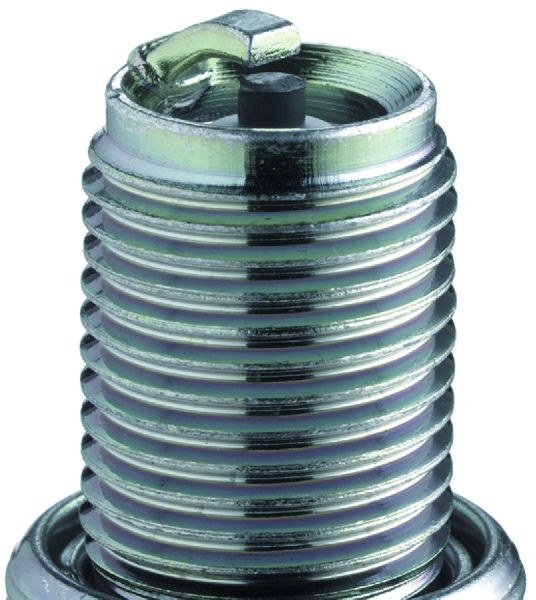
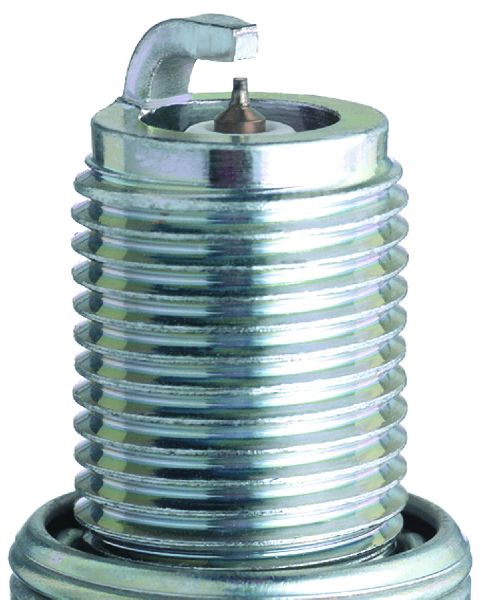
- NGK is the OEM brand; aftermarket NGK plugs offer the same quality with options for standard or premium Iridium versions.
- Iridium plugs (like the BR8ECMIX) cost more but provide better fouling resistance and a longer life, a significant benefit for a two-stroke.
- Frequent plug fouling is often a symptom of another issue like incorrect jetting, a rich TBI tune, excessive idling, or a bad crank seal.
- Always verify the correct plug part number for your specific model year, as specifications have changed between carbureted, TPI, and TBI engines.
Signs of a Failing Spark Plug

On a high-strung two-stroke like the 250 SX, a bad spark plug makes itself known quickly. Unlike a car, where a plug can degrade slowly, a dirt bike's plug can fail suddenly. The most common issue is 'fouling,' where the plug's tip gets covered in oil, fuel, or carbon deposits.
- Hard Starting or No Start: A weak or nonexistent spark from a worn or fouled plug is a primary cause of starting issues.
- Misfiring or Sputtering: If the bike stutters or hesitates under acceleration, the spark plug may not be firing consistently. This can feel like a bog or a loss of power.
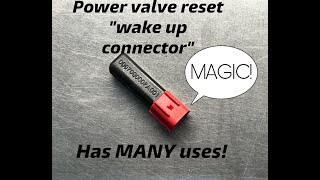
- Reduced Power: A worn electrode or incorrect heat range can lead to incomplete combustion, making the bike feel sluggish and down on power. 🎬 Watch: How to reset your power valve for better performance.
- Visible Fouling: The easiest sign is a visual inspection. A healthy plug has a light brown or tan color. A black, wet, or oily plug is fouled and needs to be replaced.
Why Your 250 SX Fouls Plugs
Spark plug fouling is a common issue with two-strokes. While a bad plug can be the cause, it's often a symptom of another problem. Before you go through a box of new plugs, consider these common causes reported by other owners:
- Excessive Idling: Two-strokes are not designed to idle for long periods. This loads up the engine with unburnt fuel and oil, quickly fouling the plug.
- Incorrect Jetting (Carbureted Models): If the carburetor's jets are too rich, the engine gets too much fuel, leading to a wet, black plug.
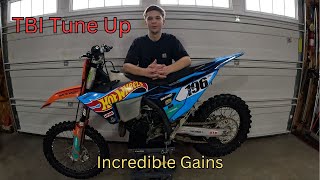
- Rich Factory Tune (TBI Models): Newer fuel-injected (TBI) models, especially from 2023 onwards, are known to run rich from the factory, which can cause frequent fouling during the break-in period. 🎬 Watch: One owner's experience with TBI spark plug fouling issues.
- Worn Piston/Rings: Low compression from a worn top end can lead to inefficient combustion and fouling.
- Failed Crank Seal: A failure of the right-side crank seal can allow transmission oil to be sucked into the crankcase and burned, which will foul plugs very quickly.
No recalls or Technical Service Bulletins (TSBs) related to spark plugs were found for the 2008-2024 KTM 250 SX.
Choosing the Right Aftermarket Spark Plug

For the KTM 250 SX, aftermarket doesn't mean lower quality. NGK is the Original Equipment Manufacturer (OEM) for KTM, so buying an NGK plug from any retailer gets you the same quality as one from the dealer. The choice comes down to which tier of NGK plug you want.
Model Year Differences are Critical
The 250 SX has seen major fuel system changes, moving from carburetors to Transfer Port Injection (TPI) and now Throttle Body Injection (TBI). The correct spark plug can change with these systems. Always check your owner's manual or the plug currently in your bike before buying a replacement.
- Carbureted & Early TPI Models (~2008-2022): These bikes commonly use an NGK plug with a heat range of 8, such as the BR8ECM or the iridium equivalent, BR8ECMIX.
- TBI Models (2023-2024): Newer TBI bikes may come with a colder plug (like a BR10) but some dealers and owners have found that a slightly hotter plug (like a BR9ECMVX) helps prevent fouling due to the rich factory settings. 🎬 See how to tune and fix your TBI two-stroke engine.
| Plug Tier | Common NGK Models | Price Range | Best For |
|---|---|---|---|
| Standard Nickel | BR8ECM, BR8ES | $5 - $10 | Riders looking for a direct OEM replacement at the lowest cost. They perform well but have a shorter lifespan. |
| Iridium | BR8ECMIX, BR8EIX, BR9ECMIX | $12 - $23 | Performance-focused riders. The fine iridium tip provides a more consistent spark, better throttle response, superior resistance to fouling, and a longer service life. |
Frequently Asked Questions

How often should I change the spark plug on my 250 SX?
For a high-performance two-stroke, it's good practice to inspect the plug every 5-10 hours of ride time and replace it every 15-20 hours, or whenever it shows signs of wear or fouling. Many racers change them more frequently. Always carry a spare.
What is spark plug 'heat range'?
Heat range is the plug's ability to dissipate heat. A 'hotter' plug (lower number for NGK, e.g., 8) transfers heat more slowly, burning off carbon deposits at lower RPMs. A 'colder' plug (higher number, e.g., 9 or 10) transfers heat faster to prevent overheating in highly modified or high-RPM engines. Using the correct heat range is crucial for preventing fouling and engine damage.
Is an Iridium spark plug worth it for my 250 SX?
For many riders, yes. Iridium plugs offer improved throttle response and are much more resistant to fouling, which is a common headache on two-strokes. While they cost more upfront, their longer life and better performance can make them a worthwhile upgrade.
What tools do I need to change the spark plug?
The job is very simple on a 250 SX. You will need a spark plug socket (typically 13/16" or 21mm for these plugs) and a ratchet. A torque wrench is recommended to ensure you don't over-tighten the new plug.
Helpful Videos
Technical Specifications
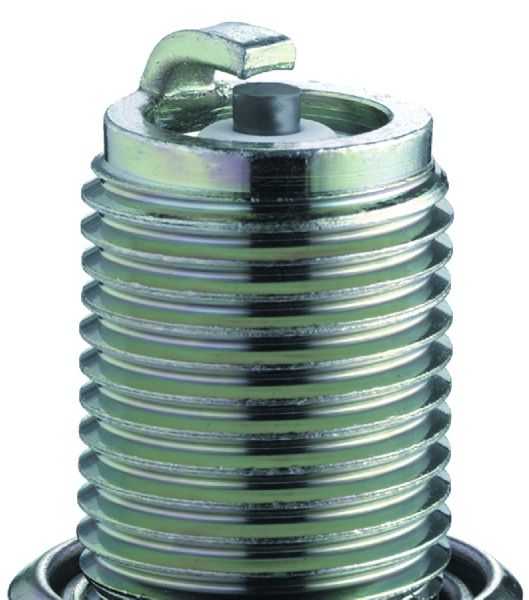
OEM Part Numbers: BR8ECM BR8ECMIX BR8EIX BR9ECMVX
Thread Size: 14mm, Hex Size: 20.8mm (13/16"), Reach: 19mm. The heat range (e.g., 8 or 9) is the most critical specification and varies by model year and engine type (Carb/TPI/TBI).
We Have This Part in Stock

The information in this article is provided for general reference and educational purposes only. Vehicle specifications, procedures, and part compatibility can vary by production date, trim level, and region. Always consult your vehicle's factory service manual and verify part numbers before purchasing or performing repairs. Safety-critical components such as airbags, seat belts, and braking systems should be installed by a qualified professional.
- KTM 250 SX: