

A Guide to the 2009-2012 Suzuki Equator Brake Master Cylinder
Understand the signs of failure and how to choose the right replacement brake master cylinder for your truck.
- A spongy or sinking brake pedal is the number one sign of a failing master cylinder and is a critical safety issue.
- Your 2009-2012 Equator uses the same brake master cylinder as a 2009-2012 Nissan Frontier, which makes finding parts easier.
- You may need to know if your truck is equipped with Vehicle Dynamic Control (VDC) to order the correct part.
- Bench bleeding the new master cylinder before installation is a mandatory step to ensure proper brake function and a firm pedal.
Is Your Equator's Brake Pedal Feeling Spongy?
A failing brake master cylinder is a critical safety issue. The most common cause of failure is the internal seals wearing out over time, which allows brake fluid to leak internally and prevents the system from building proper pressure. If you notice any of the symptoms below, it is crucial to have your brake system inspected immediately. Driving with a faulty master cylinder is extremely dangerous and can lead to a complete loss of braking ability.
Top Signs of a Failing Brake Master Cylinder
- Spongy or Sinking Brake Pedal: This is the most common symptom. The pedal feels soft, mushy, or slowly sinks towards the floor when you hold steady pressure on it. This indicates an internal leak past the seals.
- Brake Pedal Goes to the Floor: In a severe failure, the pedal may have very little resistance and travel all the way to the floor with minimal braking effect.
- Brake Warning Light: A leak, either internal or external, can cause the brake fluid level to drop, triggering the red "BRAKE" warning light on your dashboard.
- Contaminated Brake Fluid: New brake fluid is typically clear or light amber. If the fluid in your reservoir is dark brown or black, it could be contaminated by deteriorating rubber seals from inside the master cylinder.
Choosing the Right Aftermarket Master Cylinder
When replacing the master cylinder on your Equator, you have several aftermarket options that provide a good balance of quality and value compared to the more expensive OEM part. All listed brands are designed to meet original equipment (OE) specifications for fit and function.
Brand Quality Tiers
- Premium Aftermarket (Centric, Dynamic Friction): Brands like Centric and Dynamic Friction are well-regarded in the aftermarket for producing high-quality components that meet or exceed OE standards. They are often considered a reliable choice for daily drivers and are manufactured with new, high-quality materials.
- Standard Aftermarket (Cardone New): Cardone offers both new and remanufactured parts. Their 'Cardone Select' or new parts are a solid, budget-friendly option. While some mechanics have mixed opinions on remanufactured parts in general, new units are a dependable choice.
Pro Tip: Before installing any new master cylinder, it MUST be "bench bled." This process removes air from the cylinder before it's connected to the truck's brake lines. Skipping this step will result in a spongy pedal and poor brake performance, requiring you to bleed the entire brake system multiple times.
Estimated Replacement Costs
The cost to replace a brake master cylinder varies based on the part brand and local labor rates. Since the Suzuki Equator is identical to the Nissan Frontier for these model years, cost estimates for the Frontier are directly applicable.
| Part/Service | Estimated Cost |
|---|---|
| New Aftermarket Part | $96.77 - $142.89 |
| New OEM Part (Nissan) | $238 - $336 |
| Shop Labor | $168 - $247 |
| Total Professional Replacement | $265 - $390 (Aftermarket) / $406 - $583 (OEM) |
Frequently Asked Questions (FAQ)
Are there any recalls for the 2009-2012 Equator brake master cylinder?
No. Searches on the National Highway Traffic Safety Administration (NHTSA) database show no recalls specifically for the brake master cylinder on the 2009-2012 Suzuki Equator or the equivalent Nissan Frontier. Recalls for these vehicles pertain to other issues like wheel hubs, airbags, or GPS units.
Is a Nissan Frontier master cylinder the same as a Suzuki Equator one?
Yes. For the 2009-2012 model years, the Suzuki Equator and Nissan Frontier are mechanically identical. A brake master cylinder listed for a 2009-2012 Nissan Frontier with the same engine (2.5L 4-Cylinder or 4.0L V6) and drivetrain configuration will fit your Equator perfectly.
Do I need to know if my truck has VDC?
Yes, this can be important. Some master cylinders are specific to models with or without Vehicle Dynamic Control (VDC), which is Nissan/Suzuki's electronic stability control system. Check your vehicle's original specifications or look for a "VDC Off" button on your dashboard. Always verify the part fitment notes when ordering.
Can I replace the brake master cylinder myself?
This is a job for an experienced DIY mechanic. While not overly complex, it involves the most critical safety system on your vehicle. The process requires removing the old cylinder, bench bleeding the new one, installing it, and then bleeding the entire brake system at all four wheels. Mistakes can lead to brake failure. If you are not completely comfortable working on hydraulic brake systems, this job is best left to a professional mechanic.
Technical Specifications
OEM Part Numbers: 46010-9BP0A 46010-ZS10A 46010-EA240 46010-ZS00A 46010-9BP1A
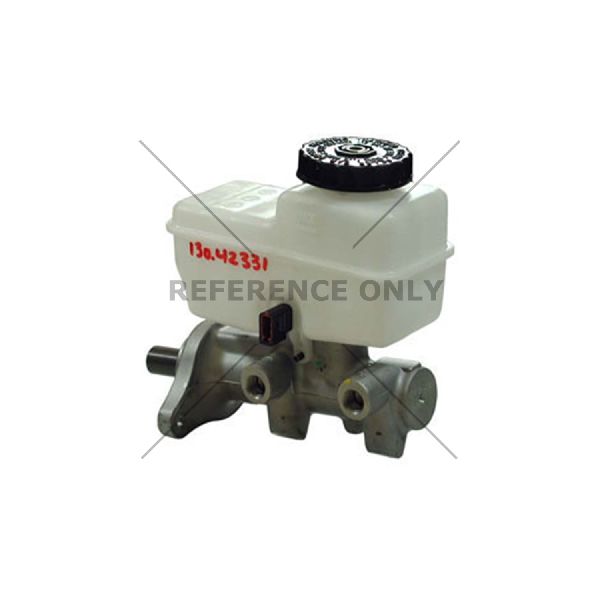
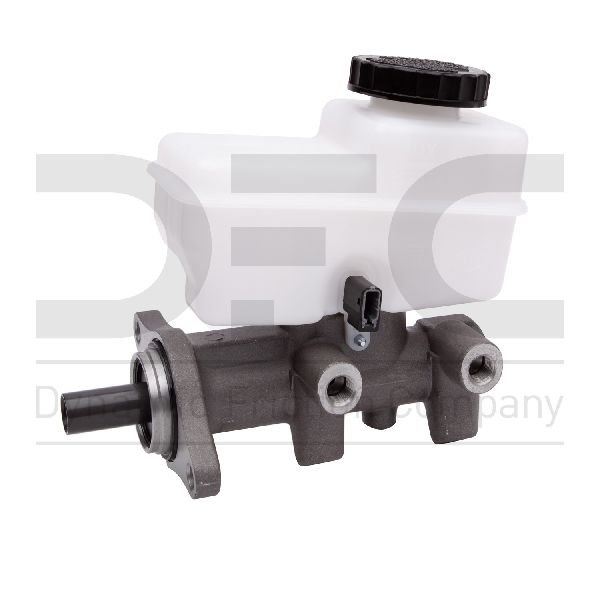
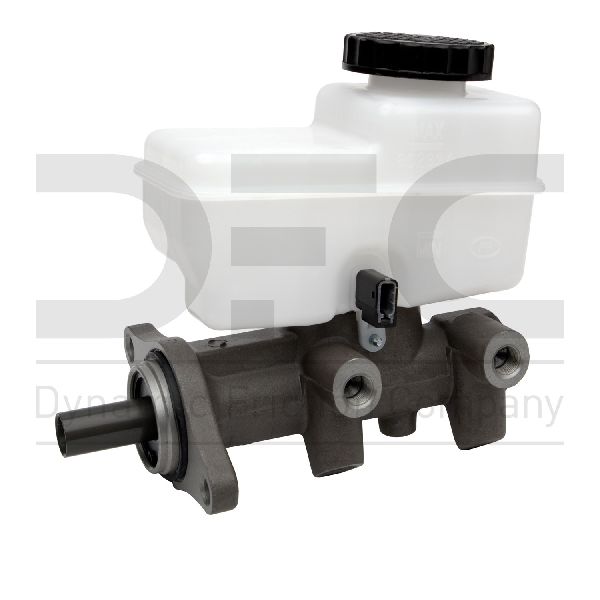
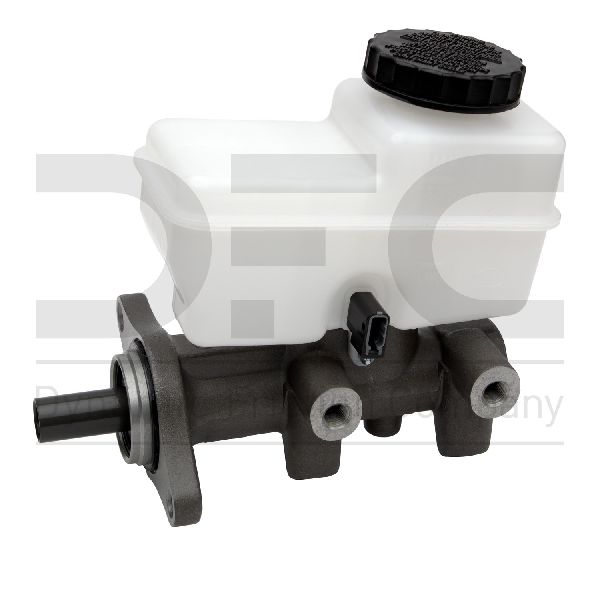
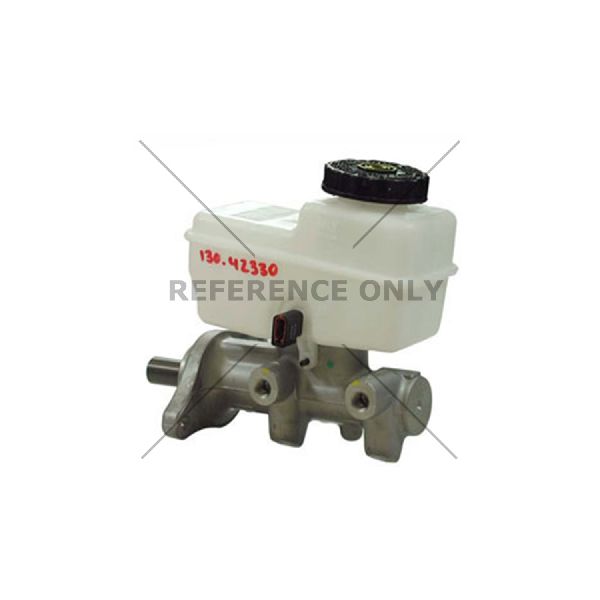
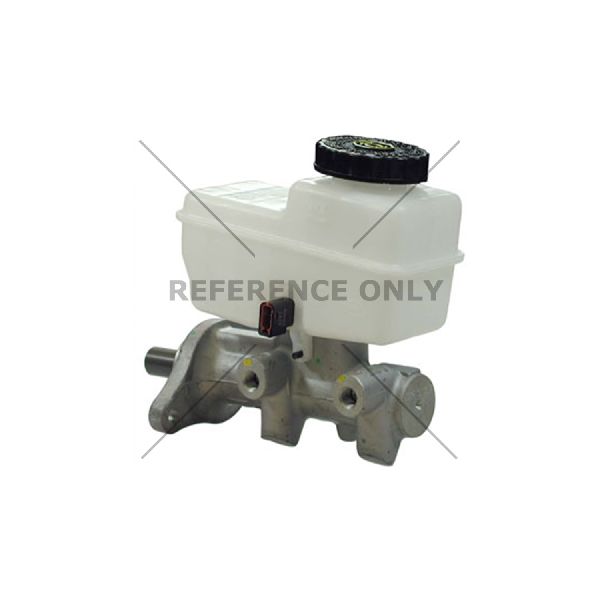
Material: Aluminum. Reservoir Included: Yes. Sensor Included: Yes.
We Have This Part in Stock

The information in this article is provided for general reference and educational purposes only. Vehicle specifications, procedures, and part compatibility can vary by production date, trim level, and region. Always consult your vehicle's factory service manual and verify part numbers before purchasing or performing repairs. Safety-critical components such as airbags, seat belts, and braking systems should be installed by a qualified professional.
- Suzuki Equator: