

Comprehensive Guide to 2009-2012 Suzuki Equator Disc Brake Pad Sets
Your Equator shares its brakes with the Nissan Frontier, giving you excellent aftermarket part options.
- Your 2009-2012 Equator uses the exact same brake pads as a 2005-2019 Nissan Frontier, ensuring wide parts availability.
- Choose ceramic pads for quiet, clean daily driving or semi-metallic pads for heavy-duty use like towing.
- Always inspect brake rotors when changing pads and plan to replace them for best results and safety.
- No major recalls or TSBs exist for brake pad failure on this vehicle, indicating a generally reliable system.
The Equator's Nissan Connection
When shopping for brake pads for your 2009-2012 Suzuki Equator, it's important to know that your truck is mechanically identical to the Nissan Frontier from the same era (specifically, the D40 platform from 2005-2019). This is great news for owners, as it opens up a wide variety of high-quality aftermarket parts that are readily available and often more affordable than dealer-sourced parts. Any brake pad set listed for a 2009-2012 Nissan Frontier will fit your Equator perfectly.
Choosing the Right Aftermarket Brake Pads
With so many brands available, picking the right brake pad can feel overwhelming. The best choice depends on your driving style, budget, and what you expect from your brakes. Pads are generally made from ceramic or semi-metallic materials.
- Ceramic Pads: These are a great choice for daily driving. They are known for being quiet, producing less dust to keep your wheels cleaner, and providing smooth, consistent stopping power.
- Semi-Metallic Pads: If you frequently tow, haul heavy loads, or engage in more aggressive driving, semi-metallic pads offer better heat dissipation and can provide a stronger initial "bite." The trade-off can be more noise and brake dust compared to ceramic pads.
Brand Tiers for Your Equator
| Tier | Brands | Best For |
|---|---|---|
| OEM-Equivalent & Premium | Akebono, Brembo, Bosch | Owners who want to match the original factory performance and feel. Akebono is a known OEM supplier for many Japanese vehicles and is highly regarded for its quiet, low-dust ceramic pads. Bosch is another top-tier OEM supplier known for reliability and quality. |
| Daily Driver & Value | Wagner, Raybestos, Centric | The best balance of performance, durability, and price for typical everyday use. These brands are well-respected and offer excellent products that often meet or exceed OEM standards without the premium price tag. |
| Performance & Heavy-Duty | Powerstop, EBC Brakes | Truck owners who tow, haul, or simply want more stopping power. Powerstop kits, which often include drilled and slotted rotors, are a popular upgrade for Frontiers and Equators. Be aware that performance pads may create more dust and noise. |
| Economy | Dynamic Friction, Pronto, Store Brands (e.g., Duralast) | Budget-conscious repairs. While functional, these pads may not last as long or perform as quietly as higher-tiered options. They can be a good choice if initial cost is the primary concern. |
A Note on Rotors
When replacing your brake pads, it is crucial to inspect your brake rotors. If you feel a pulsation or vibration through the brake pedal when stopping, your rotors are likely warped and need to be replaced or resurfaced. A Nissan Technical Service Bulletin (TSB) for the Frontier recommends using an on-car brake lathe for resurfacing. However, for the best performance and longevity, installing new rotors with new pads is highly recommended, especially if the old rotors have a significant lip on the edge or visible scoring.
Known Issues, Recalls, and TSBs
Searches for brake-specific recalls for the 2009-2012 Suzuki Equator and the equivalent Nissan Frontier on the National Highway Traffic Safety Administration (NHTSA) database did not show any recalls directly related to the disc brake pads or calipers. One recall for the Equator involved a Garmin GPS unit, not the vehicle's braking system. While some recalls exist for the Nissan Frontier, they pertain to different model years or components like the parking pawl in the transmission or ABS sensors, not the brake pads themselves. There are no widespread, officially documented problems, TSBs, or recalls concerning premature brake pad wear for this specific vehicle and year range.
Frequently Asked Questions
Are 2009 Suzuki Equator and Nissan Frontier brake pads the same?
Yes. The 2009-2012 Suzuki Equator is a rebadged Nissan Frontier. Brake pads are interchangeable between the two models for these years, which makes finding parts easy.
Do I need to replace my rotors with my brake pads?
It is highly recommended. While rotors can sometimes be resurfaced if they are within specification, installing new pads on worn or warped rotors can lead to noise, vibration, and reduced pad life. For optimal safety and performance, replacing pads and rotors together is the best practice.
What does "bedding in" new brakes mean?
Bedding-in is a process of controlled stops that transfers an even layer of friction material from the new pads onto the rotors. This process is crucial for achieving optimal braking performance, preventing future vibrations, and ensuring a long service life. Always follow the specific bedding-in procedure recommended by the brake pad manufacturer.
Why are my new brakes making noise?
New brakes can sometimes squeak for a short period during the break-in phase. This is often normal. However, persistent noise could indicate improper installation, a failure to lubricate caliper pins, or a need to bed-in the pads properly. Using high-quality pads with included shims and hardware can help minimize noise.
Technical Specifications
OEM Part Numbers: D1060-ZP00C 41060-EA025 41060-ZP00B 41060-ZP025 D1060-ZP00B
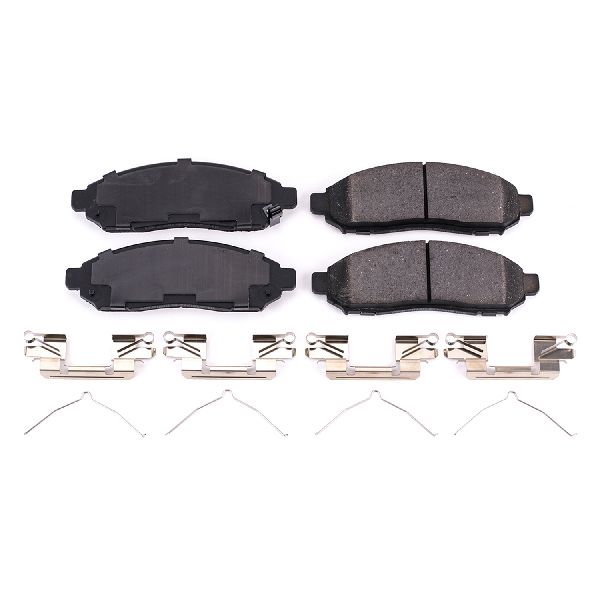
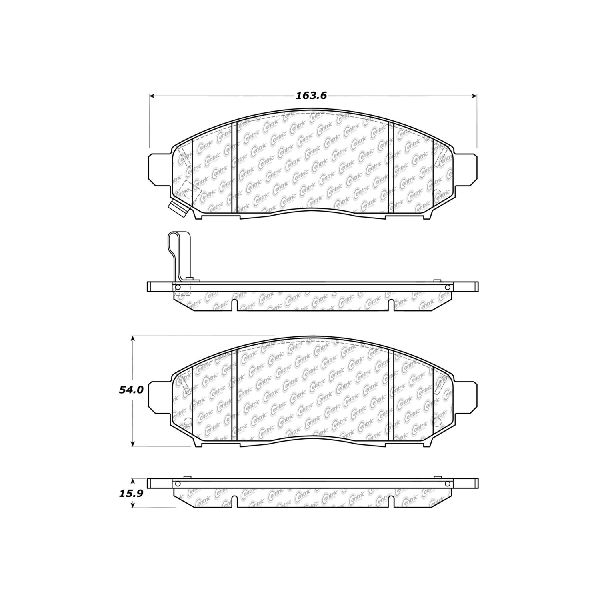
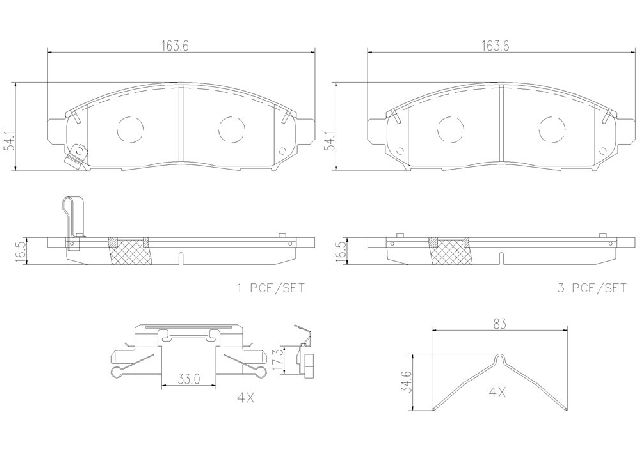
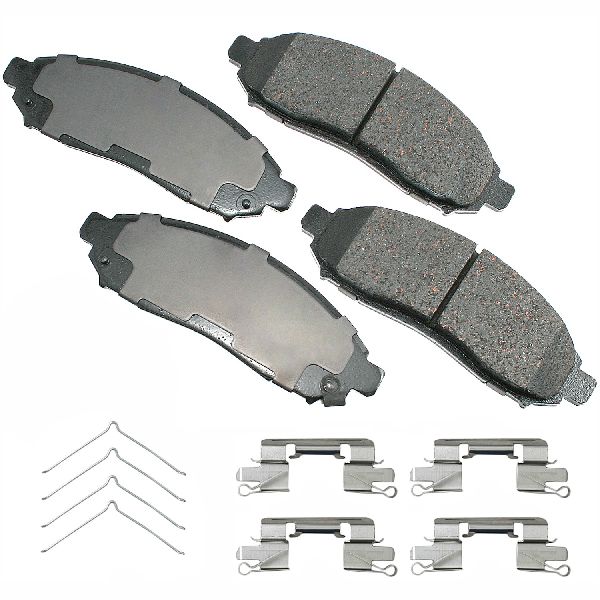
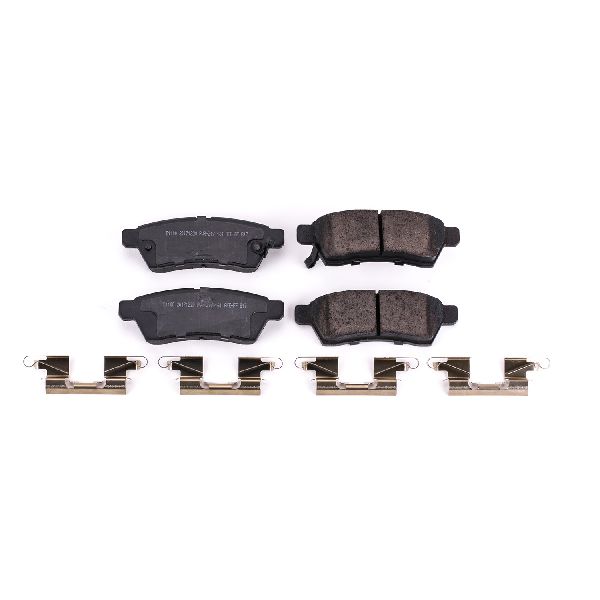
Brake pad fitment is shared with the Nissan Frontier (D40 platform) and Nissan Xterra. Both ceramic and semi-metallic friction materials are widely available. Ensure the new pad set comes with new abutment clips (hardware) for a proper, noise-free installation.
We Have This Part in Stock

The information in this article is provided for general reference and educational purposes only. Vehicle specifications, procedures, and part compatibility can vary by production date, trim level, and region. Always consult your vehicle's factory service manual and verify part numbers before purchasing or performing repairs. Safety-critical components such as airbags, seat belts, and braking systems should be installed by a qualified professional.
- Suzuki Equator: