

A/C Receiver Drier and Condenser Guide for the 2009-2013 Audi A4 Quattro
Is your Audi's A/C blowing warm? This guide explains a critical part you might need to replace.
- For the 2009-2013 A4, the 'receiver drier' is a desiccant bag inside the A/C condenser, not a separate part.
- Always replace the desiccant bag or the entire condenser assembly whenever the A/C system is opened for any repair.
- A/C system repair, including drier replacement, requires special tools to handle refrigerant and should be done by a professional.
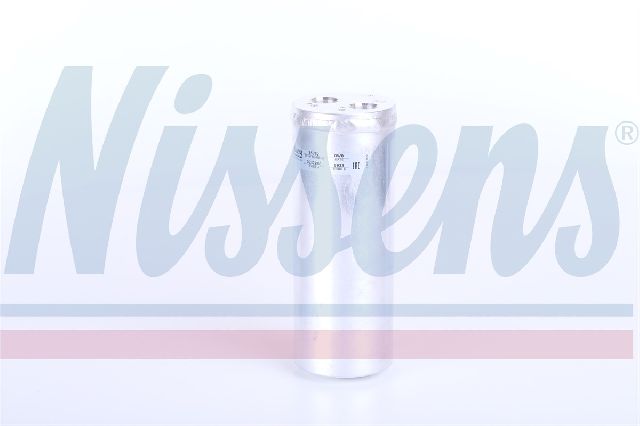
- Choose premium aftermarket brands like Mahle or Nissens for the best fit and reliability, comparable to OEM quality.
Understanding the A/C System in Your B8 Audi A4
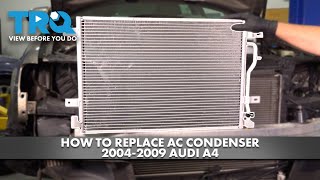
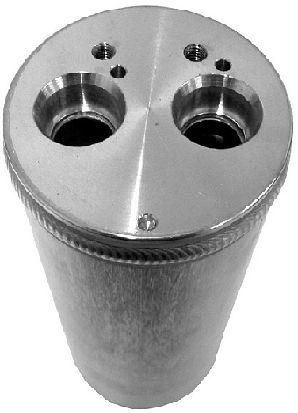
When the air conditioning in your 2009-2013 Audi A4 Quattro stops blowing cold, the problem can be caused by many different components. One part that is crucial for the system's health is the A/C receiver drier. It acts like a filter, trapping harmful moisture and debris. On this specific generation of A4, you won't find a separate receiver drier canister. Instead, Audi integrated it as a desiccant cartridge inside the A/C condenser, which is the radiator-like part at the front of the car. This means that if you need to replace the drier, you are often replacing the entire condenser assembly or opening the condenser to replace the internal cartridge.
Important Note for Shoppers
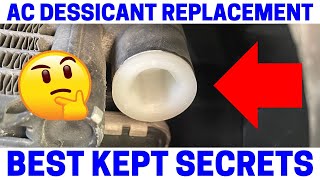
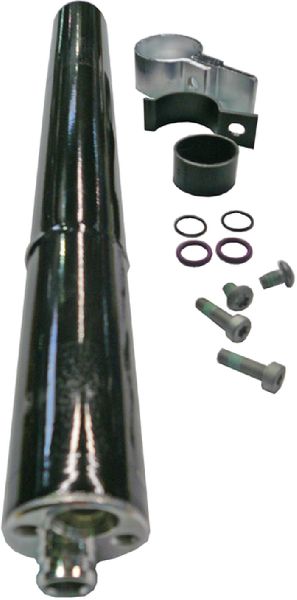
Because the drier is part of the condenser, many aftermarket parts are sold as a complete "Condenser with Receiver Drier" assembly. Some brands offer just the desiccant bag kit, 🎬 Watch: How to replace a desiccant bag in the condenser but replacement requires special tools and careful work. Always confirm which part you need before ordering.
Symptoms of a Failing A/C Receiver Drier
A failing receiver drier usually presents symptoms related to poor A/C performance. The most common signs include:
- Poor or No Cooling: If the drier is clogged, it can restrict refrigerant flow, leading to warm air from the vents.
- Musty or Moldy Smell: When the desiccant can no longer absorb moisture, mold and mildew can grow in the A/C system, causing a bad smell.
- Rattling Noises: If the desiccant bag breaks apart, the beads can circulate through the system, which may cause rattling or lead to catastrophic failure of the compressor.
- Frost on A/C Components: A severe clog in the drier can cause a rapid pressure drop, leading to frost forming on lines or the condenser itself.
Choosing the Right Aftermarket Brand
When replacing the A/C condenser and drier, you have several aftermarket options. For a sensitive European car like an Audi, the quality of the part matters. OEM parts are high quality but can be expensive. A good aftermarket part can offer similar performance for less money.
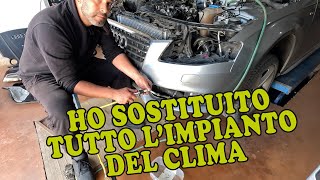
Pro Tip: Always replace the receiver drier/desiccant bag whenever the A/C system is opened for any repair, such as replacing a compressor or fixing a leak. 🎬 See a complete A/C system overhaul and component replacement Most compressor warranties require it.
| Tier | Brands | Quality & Fitment Assessment |
|---|---|---|
| Premium Aftermarket | Mahle, Nissens | These brands are often original equipment (OE) suppliers to European automakers. They are known for excellent fit, quality materials, and reliable performance, closely matching the OEM part. Mahle and Nissens are highly recommended for this application. |
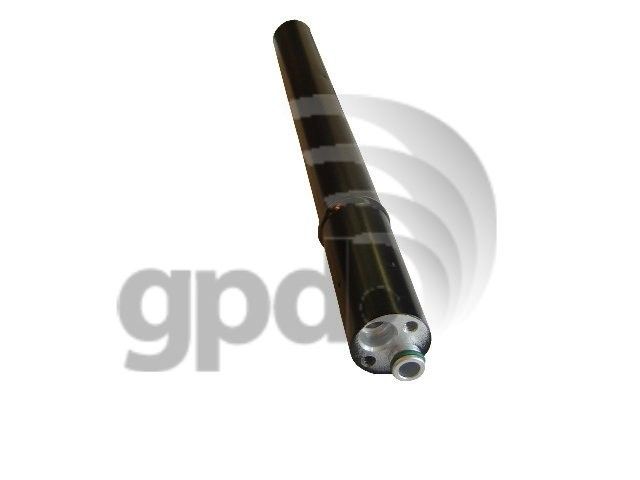
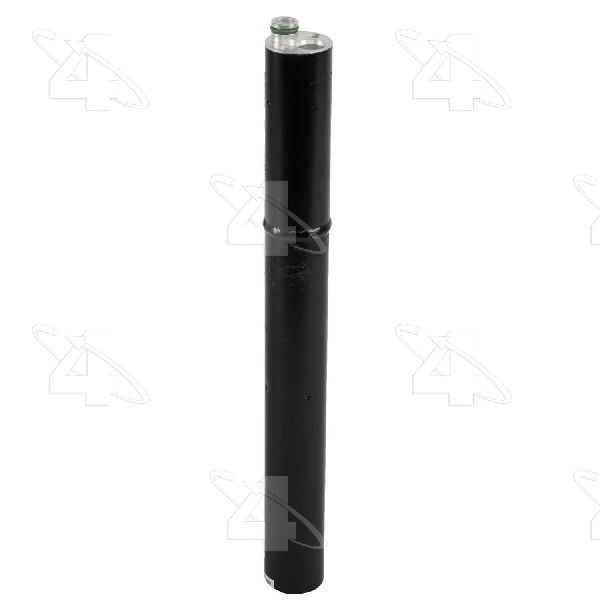
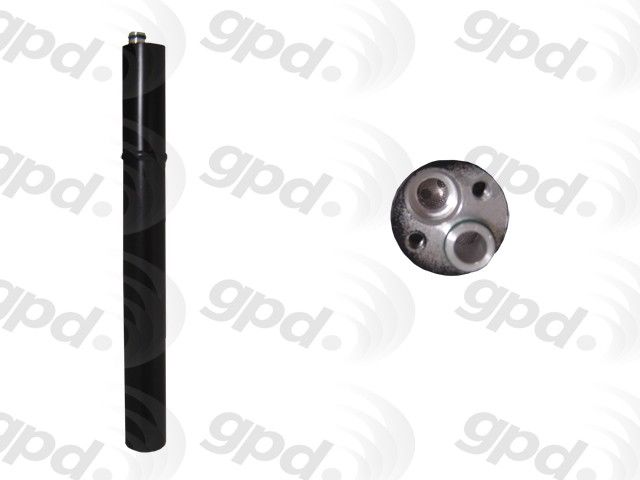
| Standard Aftermarket | Four Seasons, Global Parts (GPD) | These brands provide a good balance of quality and value. While generally reliable, fitment can occasionally require minor adjustments. They are a popular choice for cost-effective repairs. |
Known Issues, Recalls, and TSBs
Searches for the 2009-2013 Audi A4 Quattro did not reveal any specific recalls or Technical Service Bulletins (TSBs) for the A/C receiver drier itself. However, there are several recalls for the B8 platform A4 related to the electrical system and engine cooling system, which can sometimes be related to A/C issues. For example, a recall (NHTSA 17V002000) was issued for an electric coolant pump that could overheat, which is part of the broader climate control system. Forum discussions often point to A/C pressure switches or leaks 🎬 Watch: Troubleshooting A/C pressure switch error code 00256 from the condenser (due to road debris) as common failure points for the A/C system on these cars.
Frequently Asked Questions (FAQ)
Do I have to replace the whole condenser to change the drier?
Not always, but it is often recommended. Some kits are available with just the desiccant bag. However, replacing the entire condenser/drier assembly is more straightforward and ensures all related components are new, preventing future leaks. The labor is nearly identical for both jobs.
How often should the A/C receiver drier be replaced?
The receiver drier should be replaced any time the A/C system is opened to the atmosphere. This includes repairs like replacing the compressor, condenser, or a leaking hose. If no repairs are needed, some recommend replacing it as a preventive measure every 3-4 years, but most owners only replace it during a repair.
Can I replace the A/C receiver drier myself?
This is not a beginner-friendly job. It requires specialized equipment to safely evacuate and recharge the A/C system's refrigerant. Improper handling of refrigerant is harmful to the environment and can cause injury. This job is best left to a qualified mechanic.
Why did my A/C stop working right after a recharge?
If your A/C works for a short time after a recharge and then fails, it indicates a leak in the system. Simply adding more refrigerant is not a fix. The source of the leak, which could be the condenser, a hose, or a seal, must be found and repaired. The most common cause of a leak in the condenser is damage from road debris.
Helpful Videos
Technical Specifications
OEM Part Numbers: 8K0260403AF 8K0260403T 8K0298403A 8K0298403B
Integrated desiccant cartridge within the condenser assembly. Requires R134a refrigerant.
We Have This Part in Stock

The information in this article is provided for general reference and educational purposes only. Vehicle specifications, procedures, and part compatibility can vary by production date, trim level, and region. Always consult your vehicle's factory service manual and verify part numbers before purchasing or performing repairs. Safety-critical components such as airbags, seat belts, and braking systems should be installed by a qualified professional.
- Audi A4 Quattro: