

A Practical Guide to the 2009-2013 Audi Q5 Engine Coolant Temperature Sensor
Understanding the signs of failure and choosing the right replacement for your Q5's engine.
- A bad sensor's symptoms (especially code P0128) can be identical to a failed thermostat; proper diagnosis is crucial.
- For best results, choose an aftermarket brand known to be an OEM supplier for Audi, such as Hella or Delphi.
- The replacement is a manageable DIY task, but access can be difficult on the 2.0T engine and may require more disassembly.
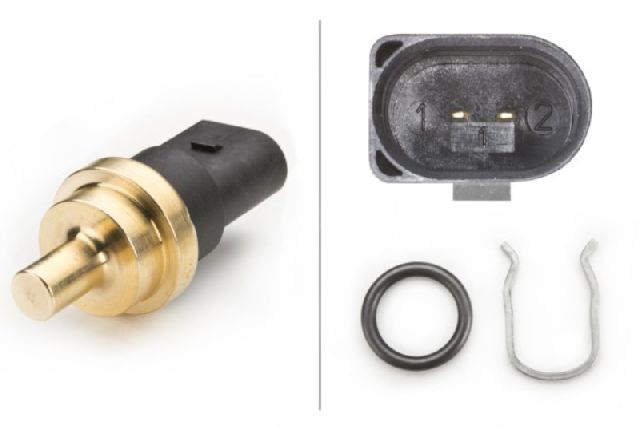
- Always replace the small O-ring and retaining clip with the sensor to prevent future coolant leaks.
Is Your Audi Q5's Coolant Sensor Failing?

A faulty Engine Coolant Temperature (ECT) sensor can cause a variety of confusing issues that might seem unrelated. Because the sensor's reading affects so many engine functions, a bad signal can lead to poor performance and potential engine damage. Recognizing the symptoms early is key.
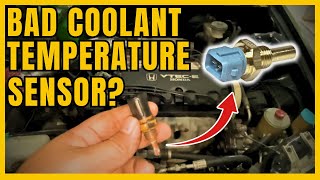
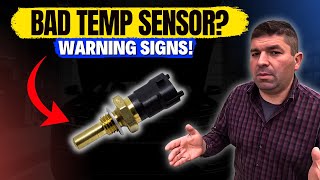
🎬 Watch: A visual guide to common coolant sensor failure symptoms.Key Failure Symptoms:
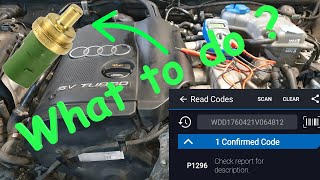
- Check Engine Light: This is often the first and most obvious sign. The ECU will log specific fault codes related to the sensor's performance.
- Poor Fuel Economy: If the sensor incorrectly tells the ECU the engine is cold, the computer will inject more fuel than necessary, causing your gas mileage to drop.
- Engine Overheating or Running Too Cool: A bad sensor may fail to trigger the radiator fans when needed, leading to overheating in traffic. Conversely, it might cause the temperature gauge on your dash to read incorrectly or not move at all.
- Black Smoke from Exhaust: A rich fuel mixture caused by a false 'cold engine' signal can result in black, sooty smoke from the tailpipe.
- Rough Idle and Hard Starts: The engine may run rough, hesitate, or be difficult to start because the fuel mixture and ignition timing are based on incorrect temperature data.
Is It the Sensor or the Thermostat?
Many symptoms of a bad ECT sensor, particularly a temperature gauge that reads low and trouble code P0128, are also classic signs of a thermostat that is stuck open. If your Q5 takes a very long time to warm up or the temperature gauge drops on the highway, the thermostat is a more likely culprit. 🎬 See how to replace the thermostat on an Audi V6 engine. Proper diagnosis is essential to avoid replacing the wrong part.
Choosing the Right Aftermarket Sensor for Your Q5

While an OEM sensor from an Audi dealer is always an option, high-quality aftermarket parts can offer the same performance for a lower price. For a critical sensor like this, it's best to stick with reputable brands. We've grouped them into tiers based on community feedback and their status as OEM suppliers.
Brand Quality Tiers
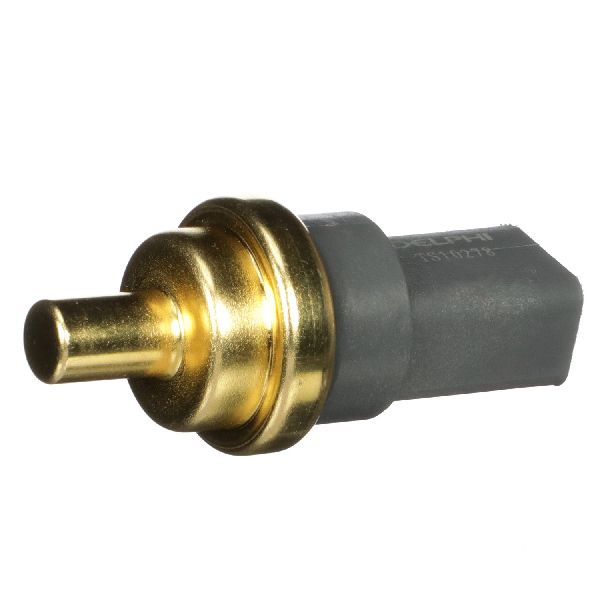
- Tier 1 - OEM Supplier Quality: These brands are known to manufacture parts for Audi and other German automakers. They are the most reliable aftermarket choice. Brands include Hella, Delphi, and Vemo. Forum users often recommend Hella and Delphi for their reliability in European cars.
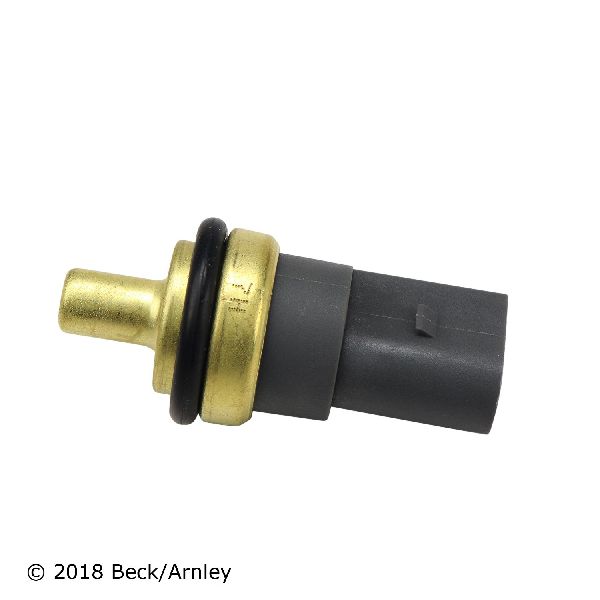
- Tier 2 - Reputable Aftermarket: These brands produce reliable parts and are a solid choice if Tier 1 options aren't available. This includes Beck Arnley, NGK, and Standard Ignition (Standard Motor Products). Beck Arnley is known for sourcing parts from various OEM suppliers.
- Tier 3 - Budget Options: Brands like Four Seasons, Motorad, and True Tech fall into this category. While they meet basic fitment needs, their long-term durability and sensor accuracy may not match higher-tier brands.
Pro Tip: Always purchase the sensor as a kit that includes a new O-ring and retaining clip. Replacing these small, inexpensive parts is crucial for preventing coolant leaks after the installation.
Cost of Replacing the Sensor

The cost to replace the ECT sensor on a 2009-2013 Audi Q5 can vary depending on the part you choose and whether you do the work yourself.
| Item | Estimated Cost |
|---|---|
| New OEM Sensor | $50 - $90 |
| New Aftermarket Sensor | $13 - $44 |
| Shop Labor | $120 - $250 |
| Total Professional Repair | $133 - $340 |
Cost estimates are based on national averages and may vary by location and parts supplier. Labor costs can be higher if intake manifold removal is required.
Frequently Asked Questions

Where is the coolant temperature sensor on a 2009-2013 Audi Q5?
The location can differ slightly between the 2.0T and 3.2L engines. Generally, it is located on a coolant pipe or flange at the back or side of the engine. On some 2.0T engines, it is part of the water pump/thermostat assembly and may require removing the intake manifold for access, making the job more complex.
Can I replace the sensor myself?
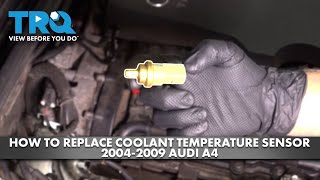
Yes, this is a DIY-feasible job for someone with basic mechanical skills. The main challenge is access. If you can reach the sensor, the process involves unplugging the electrical connector, pulling a retaining clip, and swapping the old sensor for the new one. 🎬 Watch this walkthrough for replacing the sensor on a 2.0T engine. Be prepared for a small amount of coolant to spill.
Do I need to drain all the coolant to change the sensor?
A full drain is not usually necessary. If you are quick, you will only lose a few ounces of coolant. Have the new sensor and clip ready to go to minimize coolant loss and exposure of the system to air. Always top off the system with the correct G12 or G13 coolant afterward.
Are there any recalls for the Q5 coolant sensor?
As of early 2026, there are no specific NHTSA recalls for the engine coolant temperature sensor on the 2009-2013 Audi Q5. Always check for the latest information using your vehicle's VIN.
Helpful Videos

Technical Specifications
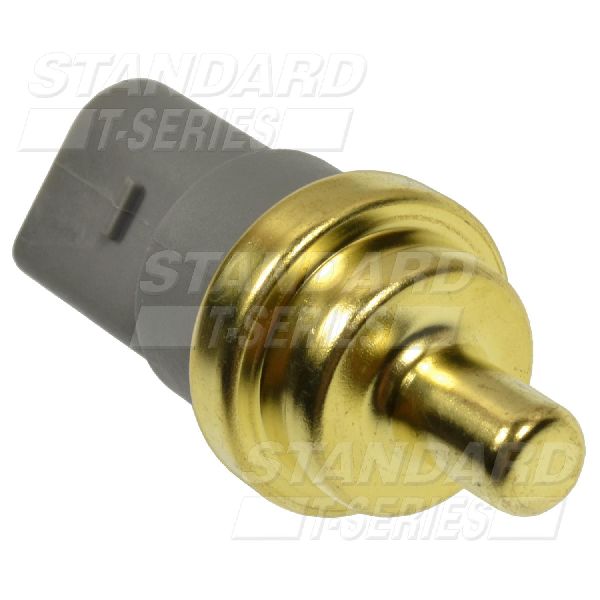
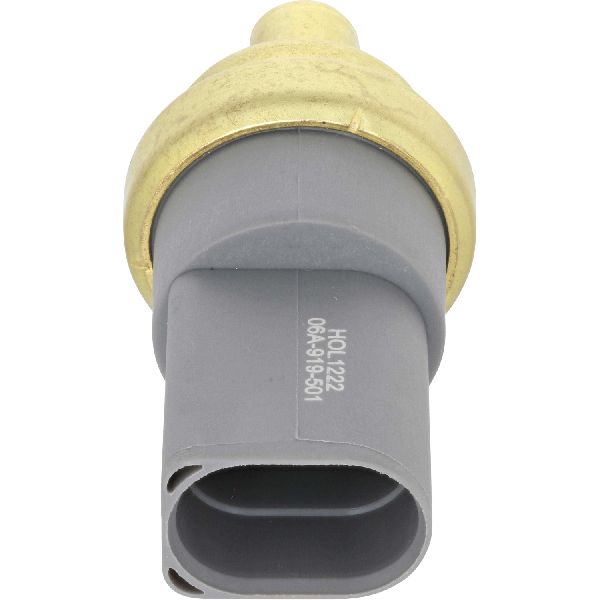
OEM Part Numbers: 06A919501A 079919523J
This is typically a 2-pin sensor that includes an O-ring and a plastic or metal retaining clip.
We Have This Part in Stock


The information in this article is provided for general reference and educational purposes only. Vehicle specifications, procedures, and part compatibility can vary by production date, trim level, and region. Always consult your vehicle's factory service manual and verify part numbers before purchasing or performing repairs. Safety-critical components such as airbags, seat belts, and braking systems should be installed by a qualified professional.
- Audi Q5: