

Engine Valve Stem Oil Seal Set Guide for the 2009-2013 Audi Q5
Seeing a puff of blue smoke on startup? Your valve stem seals might be the reason.
- The main symptom of failing valve stem seals is a puff of blue smoke on cold starts.
- For the 2.0T engine, seals may only be one part of a larger oil consumption issue; piston rings are also a common failure point.
- This is a very labor-intensive repair; the cost of parts is low, but the cost of labor is high.
- Stick with high-quality aftermarket brands like Elring or Victor Reinz, which are OE suppliers to Audi.
Is Your Q5 Burning Oil? Understanding Valve Stem Seal Failure
If you own a 2009-2013 Audi Q5, especially with the 2.0T engine, you might be familiar with adding oil between changes. While there are several potential causes for oil consumption on these engines, failing valve stem seals are a common culprit as the vehicle ages. The most classic sign is a distinct puff of blue or grayish smoke from the exhaust pipe right after you start the engine, particularly after it has been sitting overnight. This happens because oil slowly seeps past the worn, hardened seals while the car is parked, pooling in the combustion chamber. When you start the car, this pooled oil burns off all at once, creating the smoke puff that usually disappears after a few moments.
A Note on 2.0T TFSI Engine Oil Consumption
The 2.0T TFSI engine used in this generation of Q5 is widely known for issues with high oil consumption. While failing valve stem seals contribute to this, a more significant, documented problem is often related to the engine's piston rings. A class-action lawsuit was even filed concerning this issue. If your Q5 is consuming a large amount of oil (e.g., a quart every 1,000-2,000 miles), it is crucial to have a professional mechanic diagnose the exact cause. It could be the piston rings, the PCV (Positive Crankcase Ventilation) valve, or the valve stem seals.
Choosing the Right Aftermarket Seal Set
When it comes to seals and gaskets on a German vehicle, you don't want to cut corners. Using a low-quality seal can mean redoing a very expensive and difficult job sooner than you'd like. Fortunately, several of the available aftermarket brands are also the original equipment (OE) suppliers to Audi.
- Elring: Elring is a well-respected German brand and a known OE supplier for Audi and VW. Their gaskets and seals are widely considered to be of very high quality, often identical to the genuine part from the dealer, just in a different box. You can be confident using Elring parts for this repair.
- Reinz (Victor Reinz): Alongside Elring, Victor Reinz is another top-tier OE manufacturer for German automakers. They have a strong reputation for quality and proper fitment. Some mechanics have slight preferences between Elring and Reinz based on the specific gasket, but both are excellent choices.
- Victor Gaskets: This brand is associated with Victor Reinz. Quality is generally considered good and reliable for this application.
Pro Tip: Since Elring and Reinz are OE suppliers, choosing either brand provides a quality part without the dealership markup. Given the extremely high labor cost for this job, spending a few extra dollars on a top-tier seal set is a wise investment.
Cost to Replace Audi Q5 Valve Stem Seals
Replacing valve stem seals is a labor-intensive job. The parts themselves are not expensive, but accessing them requires significant disassembly of the engine's top end. In many cases, the cylinder head must be removed.
| Part Type | Estimated Cost |
|---|---|
| New Aftermarket Seal Set | $18 - $60 |
| New OEM Seal Set | $35 - $80 |
| Shop Labor | $900 - $1,800+ |
| Total Estimated Cost | $920 - $1,860+ |
Frequently Asked Questions (FAQ)
Will replacing valve stem seals fix my Q5's oil consumption?
It might, or it might only be part of the solution. If your only symptom is a puff of smoke on startup, the seals are a likely cause. However, on the 2.0T engine, excessive oil consumption is often linked to piston rings, and replacing only the valve seals will not fix a piston ring problem. A proper diagnosis is essential.
Is this a DIY job?
For most home mechanics, no. This is an advanced repair. It requires special tools to compress the valve springs and remove the keepers, and the process is delicate. Mistakes can lead to dropped valves, which means removing the cylinder head—a much bigger job. It is best left to an experienced professional, especially one familiar with Audi engines.
Are there any recalls for this issue?
There are no specific recalls for valve stem seals on the 2009-2013 Audi Q5. There was a Technical Service Bulletin (TSB) for the 2.0T engine's oil consumption that involved the PCV system and a software update, but it did not focus on valve stem seals. There was also a class-action lawsuit related to oil consumption caused by piston rings.
What other parts should I replace at the same time?
Because this job is so labor-intensive, it's a good time to inspect other components. If the cylinder head is removed, you will need a new head gasket and new head bolts. It is also a good opportunity to replace the valve cover gasket, timing chain tensioner, and inspect the timing chain guides for wear. Your mechanic can advise on what is necessary.
Technical Specifications
OEM Part Numbers: 036109675 036109675A
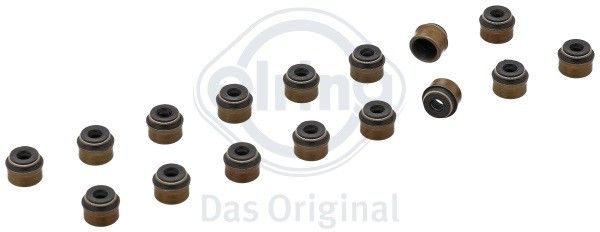
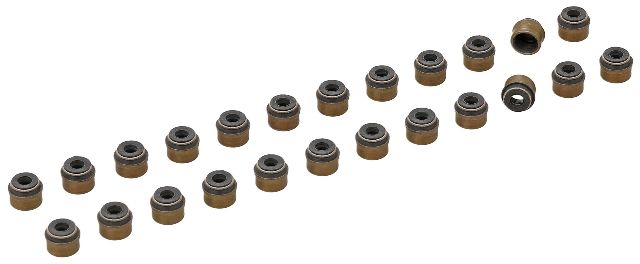
Set of 16 seals required for 2.0T 4-cylinder engines (8 intake, 8 exhaust). Set of 24 required for 3.2L V6 engines. The valve stem diameter is 6mm.
We Have This Part in Stock


The information in this article is provided for general reference and educational purposes only. Vehicle specifications, procedures, and part compatibility can vary by production date, trim level, and region. Always consult your vehicle's factory service manual and verify part numbers before purchasing or performing repairs. Safety-critical components such as airbags, seat belts, and braking systems should be installed by a qualified professional.
- Audi Q5: