

Chevrolet Traverse Engine Oil Pressure Switch Guide (2009-2013)
Is your Traverse's oil light on? This guide covers symptoms and choosing the right replacement oil pressure switch.
- Never drive your Traverse if the oil pressure light is on and the gauge reads low; this can cause severe engine damage.
- A faulty reading can be the sensor, but always rule out actual low oil pressure from a bad oil pump or low oil level first.
- Replacement is very labor-intensive due to the switch's location, so choosing a high-quality brand like Standard Ignition is recommended to avoid repeat repairs.
- The most common trouble code associated with this failure is P0521.
Is Your Traverse's Oil Pressure Light On?

A flickering oil light or a gauge that reads zero on your 2009-2013 Chevrolet Traverse can be alarming. Often, the cause is a failing engine oil pressure switch. This part tells your vehicle's computer what the oil pressure is. When it fails, it can give false readings. However, it can also be a sign of a serious mechanical problem, so it should never be ignored.
Do Not Ignore Oil Warnings
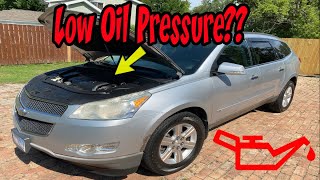
If your oil pressure warning light comes on, or the gauge shows zero, stop the vehicle as soon as it is safe to do so and turn off the engine. 🎬 Watch: What to do when the Stop Engine warning appears. Driving with low or no oil pressure can cause catastrophic engine failure in a very short amount of time.
Common Symptoms of a Bad Oil Pressure Switch

A faulty oil pressure switch on a Traverse can cause several distinct symptoms:
- Oil Pressure Light On or Flickering: The most common sign is the red oil pressure warning light on your dashboard turning on or flashing intermittently.
- Incorrect Gauge Reading: The oil pressure gauge may be stuck at zero, maxed out high, or jump around unpredictably.
- Check Engine Light: The switch can trigger a Check Engine Light, often with the code P0521, which indicates a problem with the sensor's performance or range.
- Oil Leak: The sensor itself can develop a leak, leaving oil residue on the engine block near its location.
Choosing the Right Aftermarket Part

Replacing the oil pressure switch on the 2009-2013 Traverse is a difficult job due to its location. Because of the high labor involved, choosing a quality, reliable part is critical to avoid doing the job twice. Here’s a look at the available brands.
Brand Quality Tiers
Premium Aftermarket (Example: Standard Ignition - SMP)
Standard Motor Products is a well-respected brand with a long history of making quality automotive electronics. Forum members and technicians often trust SMP parts, sometimes even preferring them over the original for reliability. Given the difficulty of this repair, a premium brand like Standard is a smart investment for long-term peace of mind.
Economy Aftermarket (Example: URO Parts)
URO Parts is known for its budget-friendly prices. While they may be suitable for non-critical components, many owners report mixed results on electronic parts and seals. For a part that is labor-intensive to replace, the initial cost savings of an economy brand may not be worth the risk of premature failure.
Note on True Tech:
Searches for "True Tech" as a parts manufacturer primarily return results for automotive repair shops. It does not appear to be a brand that produces and sells aftermarket oil pressure switches.
Pro Tip: Is It the Sensor or a Real Problem?
Before replacing the sensor, a mechanic should verify the actual engine oil pressure with a mechanical gauge. On rare occasions, a low reading can be caused by a failing oil pump or sludge blocking oil passages, which are much more serious issues. Also, be aware of GM Service Bulletin #15830 for 2009-2010 models, which notes that some engines may have excessive oil consumption due to incorrect piston rings, a separate issue that also relates to your engine's oil system.
Estimated Replacement Costs
| Part Type | Estimated Part Cost | Estimated Labor Cost | Total Estimated Cost |
|---|---|---|---|
| New Aftermarket | $28 - $66 | $275 - $500 | $303 - $566 |
| New OEM (ACDelco) | $50 - $90 | $275 - $500 | $325 - $590 |
Cost estimates are based on national averages and may vary by location and repair shop. The labor cost is high due to the part's difficult-to-access location.
Frequently Asked Questions (FAQ)

Can I replace the Traverse oil pressure switch myself?
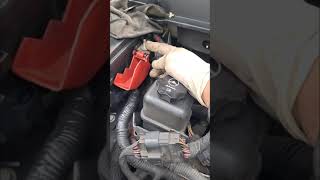
This is a challenging DIY job. The switch is located in a very tight space on the back of the 3.6L engine, near the oil filter housing. 🎬 Watch: A helpful guide to accessing the oil pressure switch. It requires special tools like a deep oil pressure switch socket, universal joints (swivels), and long extensions. While possible for an experienced DIYer, beginners may find it extremely frustrating.
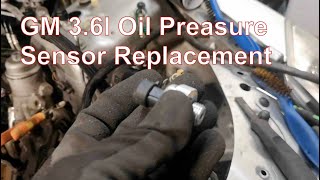
🎬 See this walkthrough of the 3.6L oil pressure sensor replacement.What does the P0521 code mean on my Traverse?
DTC P0521 stands for "Engine Oil Pressure Sensor/Switch Range/Performance." It means the vehicle's computer has detected that the voltage from the sensor is not what it should be, either too high or too low compared to expected values. This is most commonly caused by a faulty sensor, but can also point to wiring issues or actual oil pressure problems.
Is there a recall for the oil pressure switch on the 2009-2013 Traverse?
There are no specific NHTSA recalls for the engine oil pressure switch on these models. However, there is a related service bulletin (#15830) for some 2009-2010 models regarding potential high oil consumption, which is important to be aware of.
Will a bad oil pressure switch cause the engine to run poorly?
Generally, a faulty sensor giving a false reading will not directly cause poor engine performance. However, if the sensor fails to report a *real* low-pressure situation, the engine will be starved of oil, leading to ticking or knocking noises and eventually severe damage and stalling.
Helpful Videos
Technical Specifications
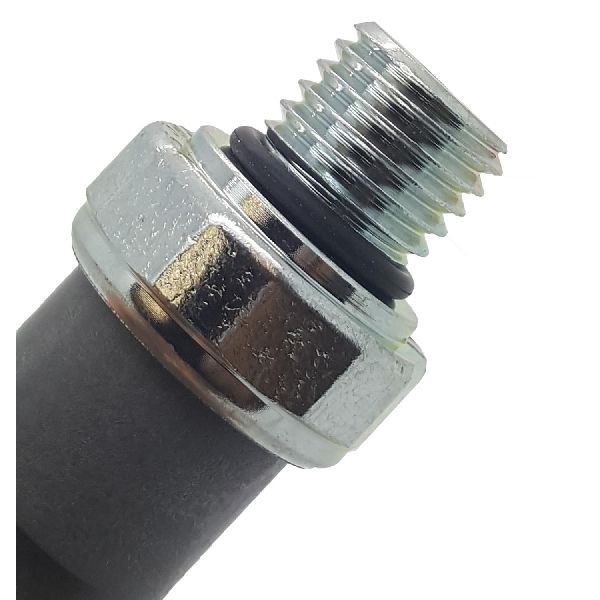
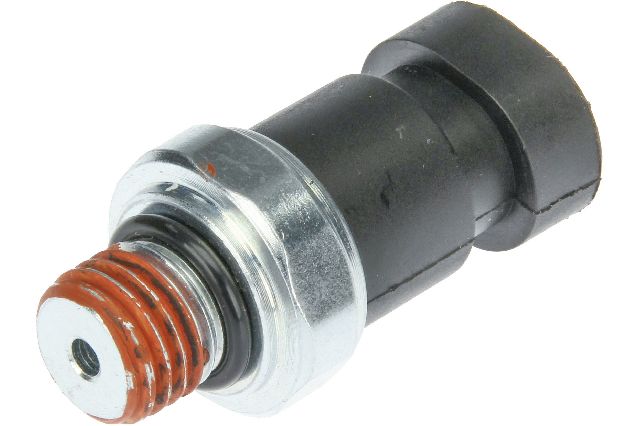
OEM Part Numbers: 12635957 12590793 12579946 D1843A
Thread Size: M16x2.0, Connector: 3-Pin Oval
We Have This Part in Stock


The information in this article is provided for general reference and educational purposes only. Vehicle specifications, procedures, and part compatibility can vary by production date, trim level, and region. Always consult your vehicle's factory service manual and verify part numbers before purchasing or performing repairs. Safety-critical components such as airbags, seat belts, and braking systems should be installed by a qualified professional.
- Chevrolet Traverse:
- 🎬 Helpful Videos
- 🛍️ Shop This Part
- Is Your Traverse's Oil Pressure Light On?
- Do Not Ignore Oil Warnings
- Common Symptoms of a Bad Oil Pressure Switch
- Choosing the Right Aftermarket Part
- Brand Quality Tiers
- Pro Tip: Is It the Sensor or a Real Problem?
- Estimated Replacement Costs
- Frequently Asked Questions (FAQ)
- 🎟️ Get 5% Off