

Dodge Charger (2009-2013) Oxygen Sensor: A Complete Replacement Guide
A bad oxygen sensor can hurt your Charger's HEMI or V6 performance and fuel economy; here's how to choose the right replacement.
- Your Charger's computer is sensitive; use Mopar, Denso, or NTK brand sensors for the best results and to avoid compatibility issues.
- Always verify the exact sensor location (e.g., Bank 1, Sensor 2) before buying; they are not all the same.
- A failing O2 sensor will cause poor fuel economy, rough running, and will cause you to fail an emissions test.
- Using a special O2 sensor socket will make the replacement job much easier and prevent damage.
Symptoms of a Failing Oxygen Sensor
When an oxygen sensor starts to fail in your 2009-2013 Dodge Charger, your car will tell you. The most obvious sign is the check engine light turning on. You might also notice your engine running rough, especially at idle. Other common symptoms include a noticeable drop in fuel economy, your car feeling sluggish or less powerful, and a rotten egg smell coming from the exhaust. A bad O2 sensor will almost certainly cause your Charger to fail a state emissions test.
Known Issues, Recalls, or TSBs
For the 2009-2013 Dodge Charger, there are no specific recalls or widespread Technical Service Bulletins (TSBs) related to the failure of oxygen sensors for the V6 or V8 gasoline engines. Most issues are related to normal wear and tear, as O2 sensors have a limited lifespan, typically around 100,000 miles. However, it's important not to confuse an O2 sensor code with other common issues on these cars, like a faulty oil pressure sensor, which can also trigger a check engine light.
Upstream vs. Downstream: Don't Mix Them Up
Your Charger has at least four oxygen sensors. Two are "upstream" (before the catalytic converter) and two are "downstream" (after the catalytic converter). Upstream sensors are critical for engine performance, while downstream sensors mainly monitor the health of your catalytic converter. They are not interchangeable. Always verify the exact location (e.g., Bank 1 Sensor 1, Bank 2 Sensor 2) before ordering a new part.
Choosing the Right Aftermarket Oxygen Sensor
Dodge vehicles can be sensitive to the brand of electronic sensors used. While Mopar is the original equipment (OEM) manufacturer, several aftermarket brands provide excellent quality, and some are even the original suppliers to Mopar. Other brands are best avoided.
Tier 1: OEM & Recommended Aftermarket
These brands are known to work well with Dodge electronics and are highly recommended by mechanics and owners.
- Mopar: The original factory part. You can't go wrong with Mopar, but it is usually the most expensive option.
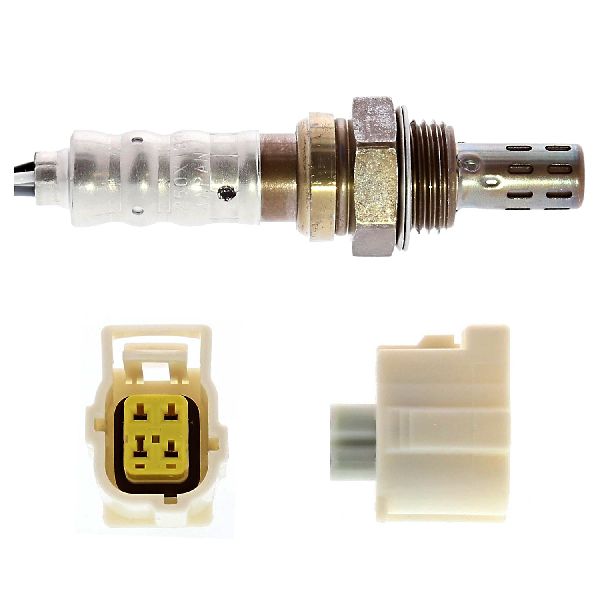
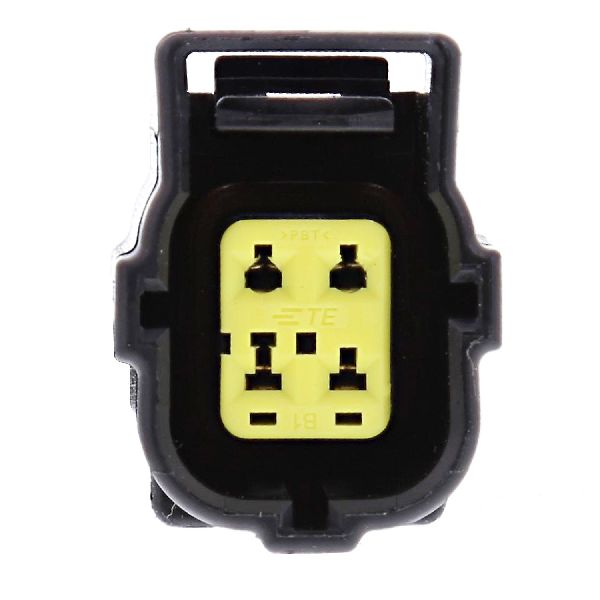
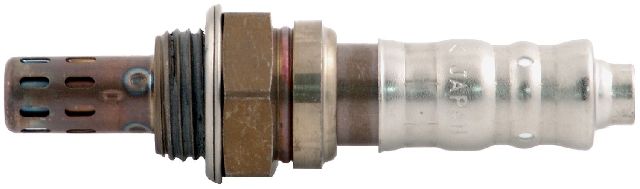
- Denso & NGK (NTK): These brands are widely believed to be the original manufacturers for Mopar sensors. They offer OEM quality, often at a lower price. Many owners consider these the best aftermarket choice for a Charger.
Tier 2: Reputable Aftermarket
These brands can be a good value, but some owners report mixed results. It's crucial to get the exact-fit part.
- Bosch: A major sensor manufacturer, but some Charger owners report issues. Problems can arise if the sensor's warm-up time or voltage reading differs slightly from the original part, which can confuse the ECU. If you choose Bosch, it's wise to replace them in pairs on the same axle (both upstream or both downstream).
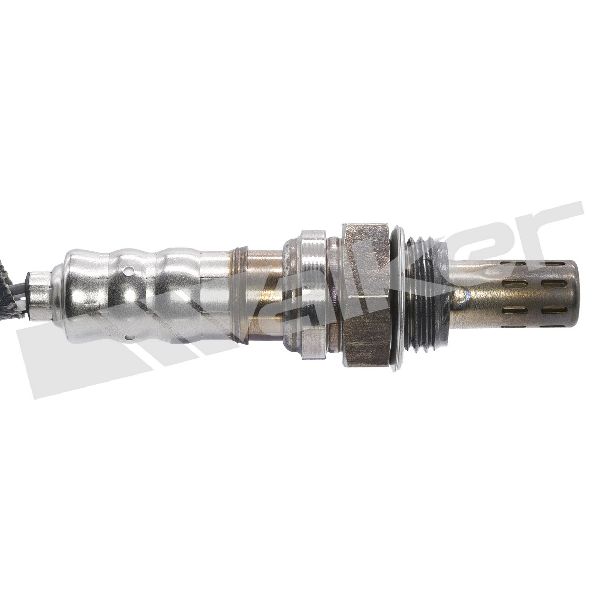
- Delphi & Walker Products: These are established aftermarket brands that offer direct-fit sensors. They are generally considered reliable budget-friendly alternatives.
Tier 3: Budget & Store Brands
This category includes brands like DriveWire, Global Parts, and other generic or store-exclusive brands. While the low price is tempting, these sensors have a higher risk of failing early or not working correctly out of the box, which can lead to more frustration and wasted time.
Pro Tip: When replacing a sensor, it's a good idea to apply a small amount of anti-seize compound to the threads of the new sensor to make future removal easier. Most quality new sensors come with this in the box.
Cost of Replacing a Dodge Charger Oxygen Sensor
| Item | Estimated Cost |
|---|---|
| New OEM (Mopar) Sensor | $90 - $180 |
| New Aftermarket Sensor | $39 - $146 |
| Shop Labor | $75 - $150 per sensor |
| Total Professional Replacement (per sensor) | $165 - $330 |
Cost estimates are for a single sensor and can vary based on location, sensor position, and specific retailer. Labor can be higher if the old sensor is seized and difficult to remove.
Frequently Asked Questions
How many oxygen sensors does my 2009-2013 Charger have?
Most V6 and V8 Dodge Chargers from this era have four oxygen sensors. There is one upstream and one downstream sensor for each engine bank. "Bank 1" is on the passenger side of the engine, and "Bank 2" is on the driver's side.
What's the difference between Bank 1 Sensor 1 and Bank 2 Sensor 2?
This code identifies the sensor's location. "Bank 1" is the passenger side, while "Bank 2" is the driver's side. "Sensor 1" is the upstream sensor (before the catalytic converter), and "Sensor 2" is the downstream sensor (after the catalytic converter). So, Bank 2 Sensor 2 is the downstream sensor on the driver's side.
Do I need a special tool to replace an O2 sensor?
Yes, it is highly recommended. A special oxygen sensor socket is designed with a slot for the wire, allowing you to fit it over the sensor. Using one makes the job much easier and reduces the risk of damaging the new sensor or stripping the old one, which can be seized in the hot exhaust pipe.
Should I replace all four sensors at once?
It's not always necessary. You can replace only the failed sensor. However, since they have a similar lifespan, if one has failed due to high mileage, the others may not be far behind. If you are replacing one with an aftermarket brand, it's a good practice to at least replace the corresponding sensor on the other bank (e.g., replace both upstream sensors) to ensure they have matching performance characteristics.
Technical Specifications
OEM Part Numbers: 56029049AA 5149171AB 5149180AA
Number of sensors: 4 (2 upstream, 2 downstream). Bank 1 is passenger side, Bank 2 is driver side. Sensor 1 is upstream, Sensor 2 is downstream.
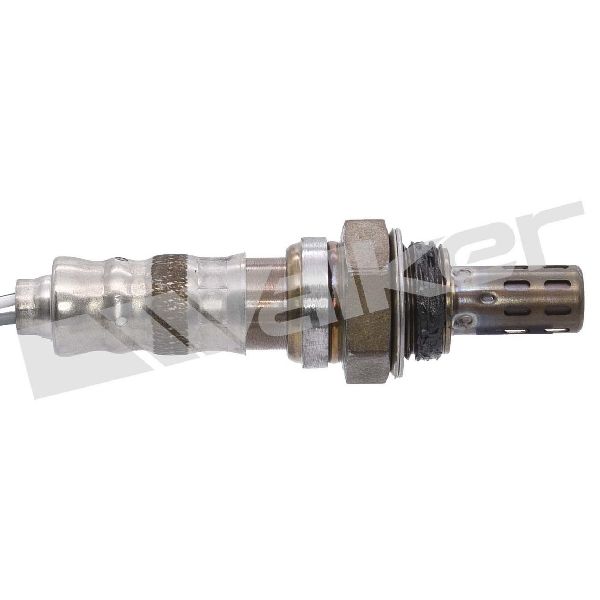
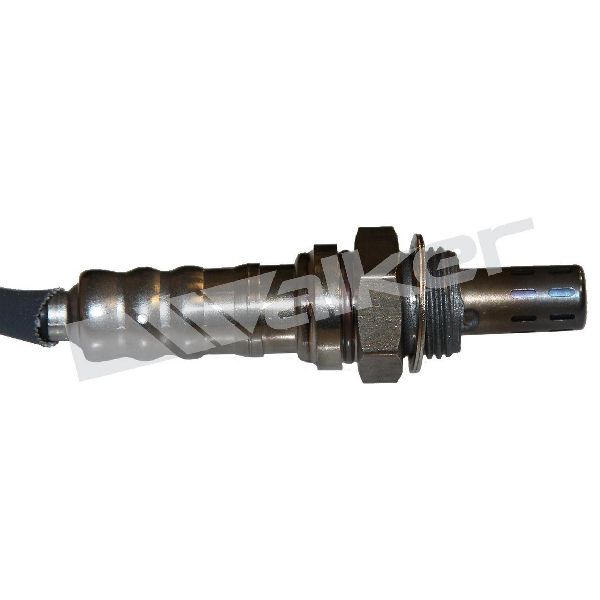
We Have This Part in Stock

The information in this article is provided for general reference and educational purposes only. Vehicle specifications, procedures, and part compatibility can vary by production date, trim level, and region. Always consult your vehicle's factory service manual and verify part numbers before purchasing or performing repairs. Safety-critical components such as airbags, seat belts, and braking systems should be installed by a qualified professional.
- Dodge Charger:
- 🛍️ Shop This Part
- Symptoms of a Failing Oxygen Sensor
- Known Issues, Recalls, or TSBs
- Upstream vs. Downstream: Don't Mix Them Up
- Choosing the Right Aftermarket Oxygen Sensor
- Tier 1: OEM & Recommended Aftermarket
- Tier 2: Reputable Aftermarket
- Tier 3: Budget & Store Brands
- Cost of Replacing a Dodge Charger Oxygen Sensor
- Frequently Asked Questions
- 🎟️ Get 5% Off