

Dodge Durango 2011-2013 Engine Coolant Temperature Sensor Guide
Is your Dodge Durango acting up? A faulty coolant sensor could be the simple fix you need.
- A faulty ECT sensor can cause serious issues, including poor fuel economy and engine overheating.
- For this critical part, choosing a high-quality aftermarket brand like Delphi or Standard Ignition is a safe bet over the cheapest options.
- The sensor location differs between the 3.6L V6 and 5.7L V8 engines, which affects replacement difficulty.
- There are no active recalls for this specific part on the 2011-2013 Durango, so failure is a maintenance issue, not a factory defect campaign.
Understanding the Coolant Temperature Sensor in Your Durango

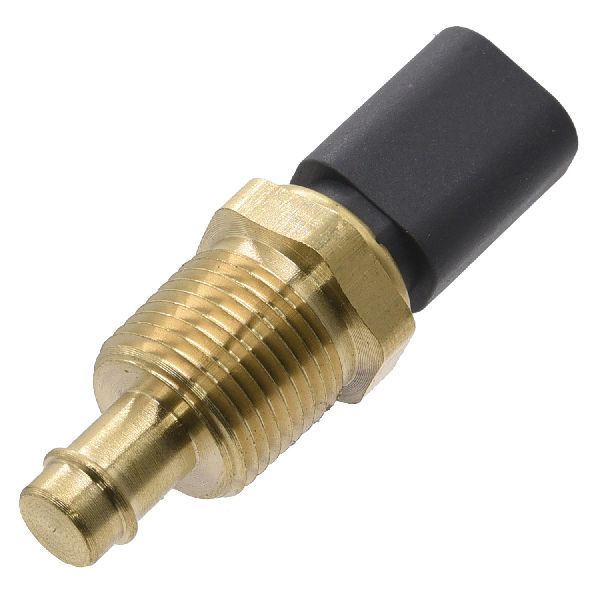
The engine coolant temperature (ECT) sensor is a critical component for keeping your 2011-2013 Dodge Durango running smoothly. It acts like a thermometer for your engine, telling the main computer how hot or cold the coolant is. This data helps the computer make constant adjustments to things like the air-fuel ratio and when the radiator fans kick on. When this sensor fails, the computer gets bad information, which can cause a variety of problems, from poor performance to potential engine damage.
Signs of a Failing Coolant Temperature Sensor

A bad ECT sensor can make your vehicle behave strangely. Here are the most common signs that your sensor may need to be replaced:
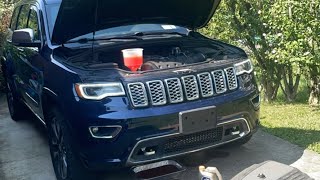
- Check Engine Light: This is often the first sign. The computer will detect a problem with the sensor's signal and trigger a warning light. Common trouble codes include P0115, P0117, P0118, and P0128. 🎬 Watch: Step-by-step thermostat and coolant sensor replacement guide.
- Poor Fuel Economy: If the sensor wrongly tells the computer the engine is cold, the computer will inject extra fuel. This causes your Durango to use more gas than necessary.
- Black Smoke from Exhaust: A rich fuel mixture that doesn't burn completely in the engine can burn in the exhaust pipe, creating black smoke.
- Engine Overheating: If the sensor fails to tell the computer that the engine is hot, the cooling fans may not turn on when needed, leading to overheating.
- Inaccurate Temperature Gauge: The gauge on your dashboard might show the engine is extremely hot right after starting, or it may not move at all.
- Rough Idling or Stalling: Incorrect fuel and timing adjustments from a bad sensor reading can make the engine run poorly.
A Note on Vehicle Years
This guide focuses on the third-generation Dodge Durango, which began with the 2011 model year. While the second generation ended in 2009, there was no 2010 model produced. Parts for a 2009 Durango belong to a different vehicle generation and are not interchangeable with 2011-2013 models.
Choosing the Right Aftermarket Sensor
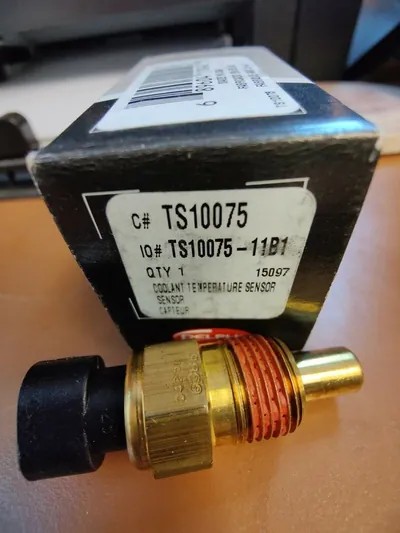
You don't have to buy the most expensive part, but for critical sensors, quality matters. Here’s a breakdown of your options.
Tier 1: OEM and OEM-Equivalent
These brands provide the highest quality and reliability, often being the original supplier to Dodge.
- Mopar: This is the official OEM parts brand for Dodge. It's the benchmark for fit and performance, but usually the most expensive option.
- Delphi: Delphi has a long history as an OE supplier and is known for making high-quality electronic parts that meet or exceed factory specifications. They are a strong alternative to Mopar.
Tier 2: Reputable Aftermarket Brands
These brands offer a good balance of quality and price. They are reliable choices for most repairs.
- Standard Ignition (SMP): A long-standing aftermarket manufacturer with a reputation for producing dependable sensors.
- Beck Arnley: This brand focuses on sourcing parts that match the original equipment manufacturer, making them a solid choice.
- Crown Automotive: Specializing in Jeep and Dodge vehicles, Crown parts are designed to be direct replacements for factory components.
- Walker Products: A well-known name in fuel and engine management parts.
Tier 3: Value-Focused Brands
These brands are often the most affordable but may have more variation in quality and longevity.
- Dorman: A popular brand that produces a vast range of replacement parts. While some Dorman parts are excellent, forum discussions sometimes suggest sticking with OEM or OEM-equivalent brands for critical electronic sensors to ensure longevity.
- Global Parts, Holstein, Motorad: These brands provide functional, budget-friendly options for the repair.
Pro Tip: Check the Connector
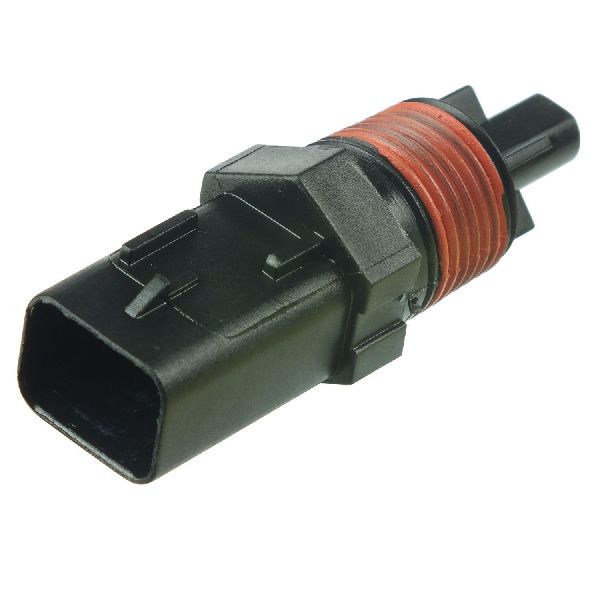
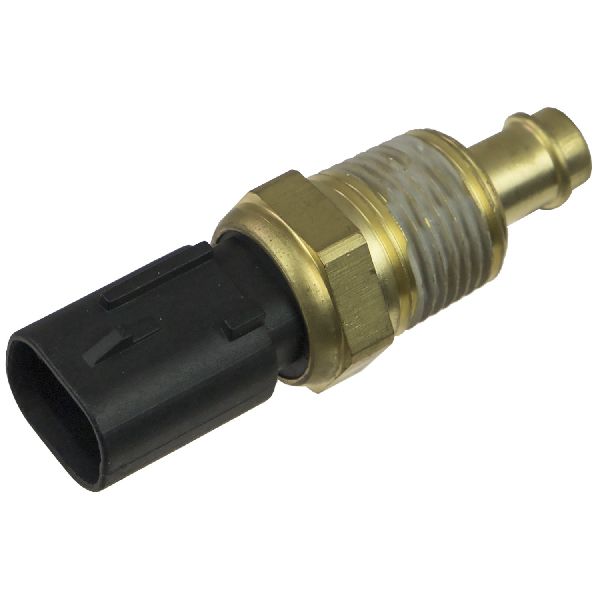
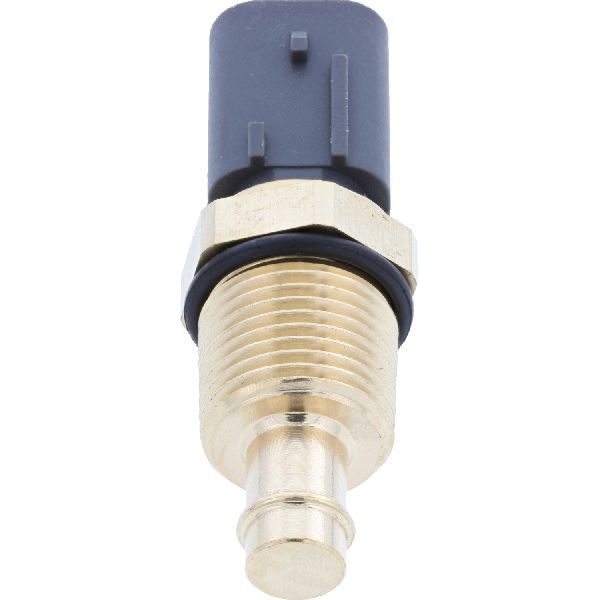
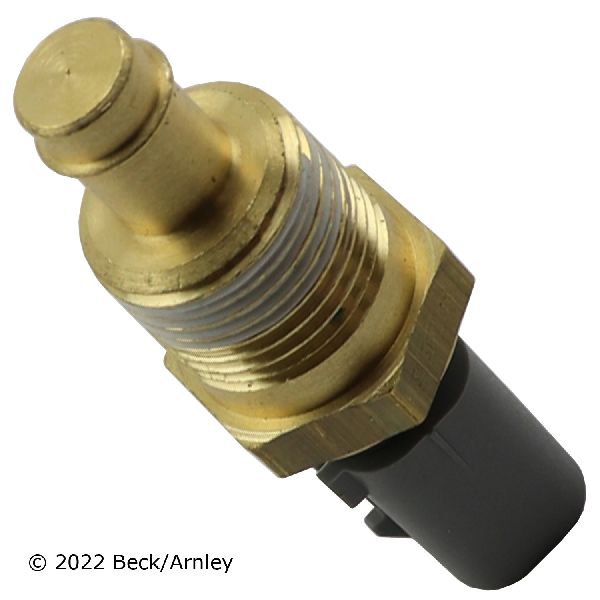
Before you buy, it's a good idea to visually inspect the sensor on your vehicle. Note the shape of the electrical connector and the number of pins to ensure your new part is an exact match.
Installation Notes

Replacing the ECT sensor is a manageable DIY job for many owners. However, the location varies depending on your engine.
- On the 3.6L V6 engine, the sensor is typically located on the thermostat housing, which is at the front of the engine. Access can be a bit tight.
- On the 5.7L V8 HEMI engine, the sensor is usually found at the front of the engine block, sometimes below the A/C compressor, which can make it more difficult to reach.
Always perform this repair when the engine is completely cool to avoid burns from hot coolant. Be prepared for a small amount of coolant to spill when you remove the old sensor, and have the new one ready to install quickly to minimize loss.
Frequently Asked Questions
Is there a recall on the coolant temperature sensor for the 2011-2013 Durango?
No, there are no specific recalls or technical service bulletins (TSBs) from the NHTSA for the engine coolant temperature sensor on the 2011-2013 Dodge Durango. Recalls for these model years have focused on other issues like the fuel pump relay and brake booster shields.
Can I still drive my Durango with a bad coolant sensor?
It is not recommended. While the vehicle may run, you risk poor performance, bad fuel economy, and most importantly, the engine could overheat without warning, leading to severe and expensive damage.
What is the difference between the coolant sensor and the oil temperature sensor?
They are separate sensors that monitor different fluids. The coolant sensor tracks the temperature of the engine's coolant (antifreeze), while the oil temperature sensor tracks the engine oil temperature. On some Durango models, the two sensors are identical parts but are installed in different locations.
Why is my temperature gauge acting erratically?
An erratic temperature gauge—one that jumps from cold to hot or stays in one position—is a classic symptom of a failing ECT sensor. The sensor is sending faulty data to the instrument cluster. Replacing the sensor is the most likely fix for this issue.
Helpful Videos
Technical Specifications
OEM Part Numbers: 5149077AB 5149077AA 68045803AA
The sensor is a two-terminal (pin) thermistor that screws into the engine or thermostat housing. Its resistance changes based on coolant temperature, which the ECU reads as a voltage signal.
We Have This Part in Stock


The information in this article is provided for general reference and educational purposes only. Vehicle specifications, procedures, and part compatibility can vary by production date, trim level, and region. Always consult your vehicle's factory service manual and verify part numbers before purchasing or performing repairs. Safety-critical components such as airbags, seat belts, and braking systems should be installed by a qualified professional.
- Dodge Durango:
- 🎬 Helpful Videos
- 🛍️ Shop This Part
- Understanding the Coolant Temperature Sensor in Your Durango
- Signs of a Failing Coolant Temperature Sensor
- A Note on Vehicle Years
- Choosing the Right Aftermarket Sensor
- Tier 1: OEM and OEM-Equivalent
- Tier 2: Reputable Aftermarket Brands
- Tier 3: Value-Focused Brands
- Pro Tip: Check the Connector
- Installation Notes
- Frequently Asked Questions
- 🎟️ Get 5% Off