

A Guide to the 2009-2013 GMC Canyon Engine Oil Pressure Switch
Understanding the signs of a failing oil pressure sensor and how to choose the right replacement for your truck.
- A faulty oil pressure switch is a common cause for erratic gauge readings or a warning light on 2009-2013 Canyons.
- Always check your oil level first before assuming the sensor is bad; never drive with a potential low oil pressure condition.
- For aftermarket parts, brands like Standard Ignition and Walker Products are generally considered reliable choices over brands with mixed reviews like URO Parts for this component.
- The replacement is easier on 4- and 5-cylinder engines than on the V8, where the sensor is hidden behind the intake manifold.
Is Your Oil Pressure Light On? What It Means for Your Canyon
Seeing the oil pressure warning light on your dashboard can be alarming. For the 2009-2013 GMC Canyon, this is a common issue that often points to a failing engine oil pressure switch rather than a major engine problem. These sensors can fail over time, either by giving false readings or by leaking oil through the sensor body itself. A faulty sensor can cause the oil pressure gauge to read zero, max out, or jump around erratically. It can also trigger the check engine light with codes like P0521.
Don't Ignore the Warning Light
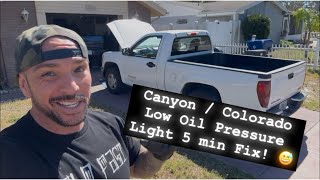
While a bad sensor is a likely cause, you should never ignore an oil pressure warning. Always check your oil level first. If the level is fine but the light stays on, and you don't hear any unusual engine noises like ticking or knocking, the sensor is the most probable culprit. 🎬 Watch this 5-minute fix for the Canyon oil pressure light. Driving with actual low oil pressure can cause catastrophic engine damage.
Choosing a New Aftermarket Oil Pressure Switch
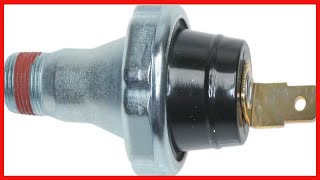
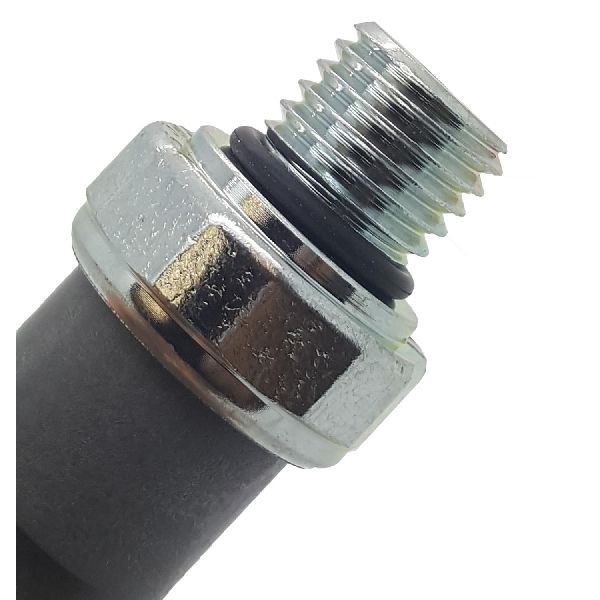
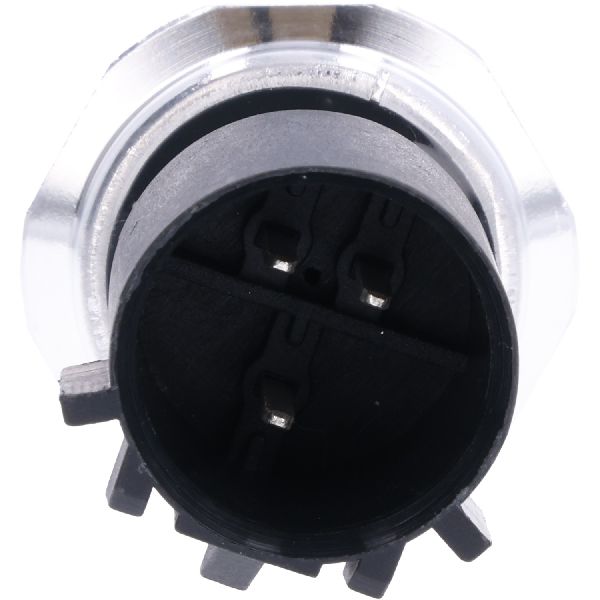
When it's time to replace the switch, you'll find several aftermarket options. For a critical sensor like this, quality matters. While OEM ACDelco parts are a reliable benchmark, many aftermarket brands offer a good balance of quality and price.
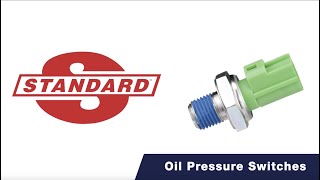
- Standard Ignition (and True Tech): Made by Standard Motor Products (SMP), this brand is generally well-regarded in the aftermarket for producing quality sensors that are engineered to meet or exceed OE specifications. They are often a trusted choice for professional technicians. 🎬 Learn more about the engineering behind Standard oil pressure switches.
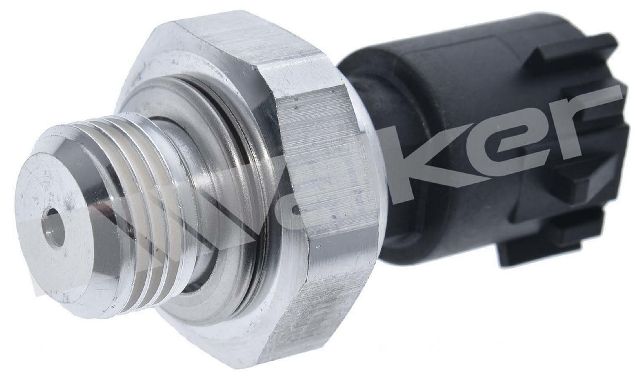
- Walker Products: Another established aftermarket brand, Walker manufactures sensors designed to be direct-fit replacements that are tested to OE standards. They are known for durable construction and reliable performance.
- URO Parts: This brand is often associated with European vehicles and can have mixed reviews. While some non-critical parts may be acceptable, for a vital sensor like an oil pressure switch, owner feedback suggests being cautious. Some users report issues with fitment or premature failure.
- Global Parts, Vemo: These brands are less commonly discussed in forums for this specific vehicle. Quality can be variable, and it's often safer to stick with more established aftermarket names like Standard or Walker, or choose an OEM part.
Pro Tip: Some GM V8 engines in this era had a small filter screen under the oil pressure sensor that could get clogged and cause low pressure readings. While this is more common on the V8, it's worth checking for and cleaning or replacing this screen when you replace the sensor.
Cost of Replacing the Engine Oil Pressure Switch
| Part/Service | Estimated Cost |
|---|---|
| New OEM (ACDelco) | $50 - $90 |
| New Aftermarket | $27 - $81 |
| Shop Labor | $80 - $150 |
Frequently Asked Questions
Where is the oil pressure switch located on the 2009-2013 GMC Canyon?
The location can vary depending on your engine. On the 4-cylinder and 5-cylinder engines, it is typically found on the passenger side of the engine block, near the oil filter. On the 5.3L V8 engine, it is located at the back of the engine, behind the intake manifold, which makes it more difficult to access.
Can I replace the oil pressure switch myself?
Yes, this is a DIY-feasible job for many owners, especially on the I4 and I5 engines where access is easier. You will need a special deep socket designed for oil pressure switches. For the V8 models, the replacement is more involved due to the sensor's location.
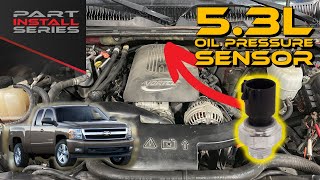
🎬 See how to replace the sensor on 5.3L V8 engines.Are there any recalls for this part?
There are no specific recalls for the oil pressure switch itself on the 2009-2013 GMC Canyon. However, there have been Technical Service Bulletins (TSBs) related to low oil pressure warnings, which can be caused by a sticking oil pump pressure relief valve, especially in V8 models. This is a separate issue from a simple sensor failure.
What's the difference between an oil pressure switch, sensor, and sending unit?
These terms are often used interchangeably for the same part. A "switch" may only operate a warning light, while a "sensor" or "sending unit" provides a variable signal to operate a gauge. For your Canyon, the part serves as a sensor for the gauge and/or light.
Helpful Videos

Technical Specifications
OEM Part Numbers: 12677836 12635957 12590793 12611588
Location varies by engine. On I4/I5 engines, it is located on the passenger side of the engine block near the oil filter. On V8 engines, it is located on the top of the engine block at the rear, behind the intake manifold. A special oil pressure switch socket is required for removal and installation.
We Have This Part in Stock


The information in this article is provided for general reference and educational purposes only. Vehicle specifications, procedures, and part compatibility can vary by production date, trim level, and region. Always consult your vehicle's factory service manual and verify part numbers before purchasing or performing repairs. Safety-critical components such as airbags, seat belts, and braking systems should be installed by a qualified professional.
- GMC Canyon: