

A Mechanic's Guide to 2009-2013 GMC Canyon Ignition Coil Replacement
Solve your Canyon's engine misfire by choosing the right ignition coil.
- A flashing check engine light indicates a severe misfire; limit driving to prevent expensive catalytic converter damage.
- This is a very DIY-friendly repair, requiring only basic tools and about 30-60 minutes.
- For reliability, choose premium aftermarket brands like ACDelco, Delphi, NGK, or Denso over budget options.
- It is highly recommended to replace the spark plugs at the same time you replace the ignition coils.
Is Your Canyon Running Rough? It Could Be an Ignition Coil.
If your GMC Canyon's engine is shaking, hesitating, or the check engine light has come on, a failing ignition coil is a very common culprit. Ignition coil failure is a frequent issue on the 2.9L, 3.7L, and 5.3L engines found in this generation of Canyon trucks. This guide will help you understand the symptoms, choose the right replacement part, and get your truck running smoothly again.
Symptoms of a Bad Ignition Coil
A bad coil makes itself known. Look for these signs:
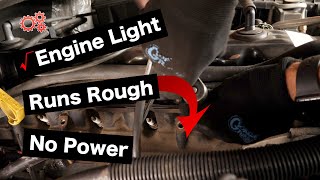
- Check Engine Light: This is the most common sign. If the light is flashing, it's serious. A flashing light means a severe misfire is happening, which can quickly destroy your expensive catalytic converter. Stop driving as soon as safely possible. 🎬 Watch: How to fix an engine misfire in 4 quick steps.
- Engine Misfire: Your engine will feel like it's stumbling, shaking, or vibrating. This is especially noticeable at idle or when accelerating.
- Loss of Power: With one cylinder not working, your truck will feel sluggish and weak.
- Worse Gas Mileage: An engine that misfires is inefficient and wastes fuel.
- Gas Smell: You might smell raw gasoline from the exhaust, which is unburned fuel passing through the misfiring cylinder.
A Note on a Rare but Serious Issue
While coils are the most common cause of misfires, a GM Technical Service Bulletin (TSB) notes that on some engines, oil or coolant can leak into the spark plug tube. This is caused by a porous cylinder head. If you replace a coil and plug but the misfire returns on the same cylinder with evidence of oil contamination, this more serious issue could be the cause and requires professional diagnosis.
Choosing the Right Aftermarket Ignition Coil
Not all aftermarket coils are created equal. For your Canyon, it's best to stick with reputable brands to avoid replacing them again in a few months. Here’s how the brands generally stack up:
- Premium Aftermarket (OEM Equivalent): ACDelco is the original GM parts brand, and Delphi was the original equipment manufacturer for many GM parts. Choosing either is as close to factory as you can get. These are your most reliable, but often most expensive, options.
- Quality Aftermarket: Brands like NGK, Denso, Bosch, and Hitachi have a strong reputation for making high-quality ignition components that meet or exceed OEM specifications. They offer a great balance of performance and price. Standard Ignition (Standard Motor Products) is also a well-regarded name in this tier.
- Standard/Value Tier: Brands like Spectra, Walker Products, and Holstein offer a more budget-friendly option. While functional, their lifespan and performance may not match the premium or quality tiers. Be cautious with unbranded, low-cost coils, as forum users frequently report premature failures.
Pro Tip: Replace in Sets?
Ignition coils are wear items. If one has failed, the others have been exposed to the same heat and vibration for the same amount of time. While you can replace just the single failed coil to save money, if your truck has higher mileage, it's smart to replace all of them at once. This prevents you from having to do the same job again in a few months when the next original coil fails. Many brands offer multi-packs for this reason.
Cost to Replace 2009-2013 GMC Canyon Ignition Coils
Here is a general breakdown of what you can expect to pay. Prices vary based on brand and your specific engine (4, 5, or 8-cylinder).
| Item | Estimated Cost (Per Coil) |
|---|---|
| New OEM (ACDelco) | $65 - $145 |
| New Aftermarket | $37 - $95 |
| Shop Labor | $75 - $150 |
Frequently Asked Questions
How do I know which coil is bad?
An OBD-II scanner is the best tool. It will give you a code like "P0304," which means cylinder #4 is misfiring. To confirm it's the coil, you can perform a simple test: swap the coil from cylinder 4 with the coil from cylinder 3. Clear the codes and run the engine. If the code changes to "P0303," you've confirmed the coil is the problem.
Is this a difficult job to do myself?
No, this is a great DIY job for beginners. The coils are right on top of the engine. The job requires only basic hand tools (like a 10mm socket), and it can usually be done in under an hour, even for all cylinders.
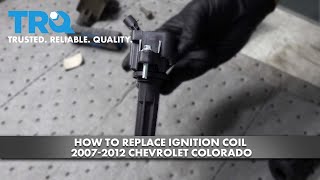
🎬 See this walkthrough on how to replace your ignition coils.Should I change my spark plugs at the same time?
Yes, it is highly recommended. You're already removing the coil, and the spark plug is right there. A worn spark plug can cause a new ignition coil to work harder and fail prematurely. Replacing them together is smart preventative maintenance.
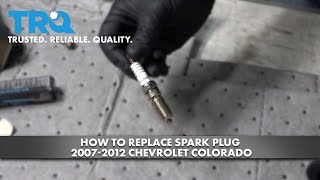
🎬 Watch this video for a guide on replacing your spark plugs.Are there any recalls for the ignition coils on my Canyon?
No, there are no specific recalls from the NHTSA for ignition coil failure on the 2009-2013 GMC Canyon.
Helpful Videos

Technical Specifications
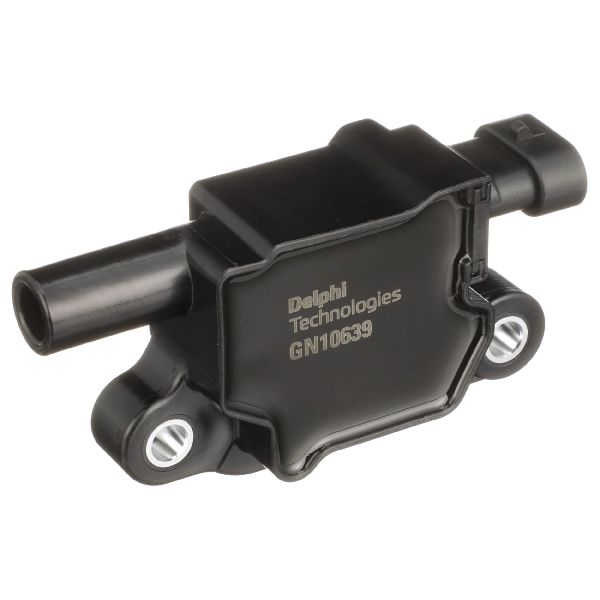
OEM Part Numbers: 12596547 12612369 D1935E
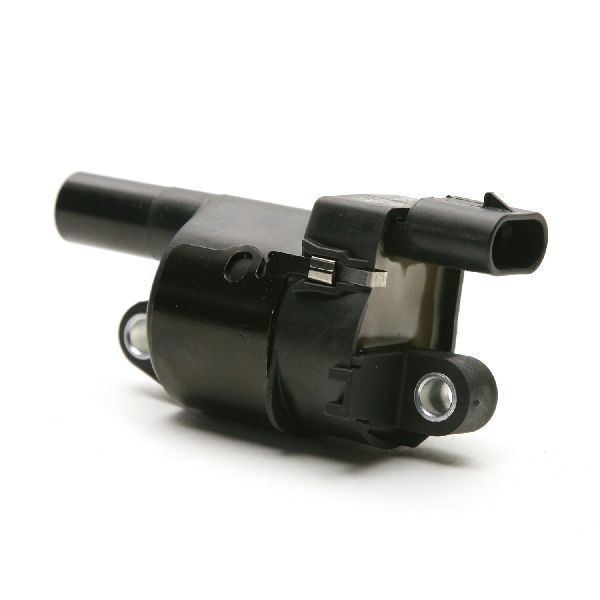
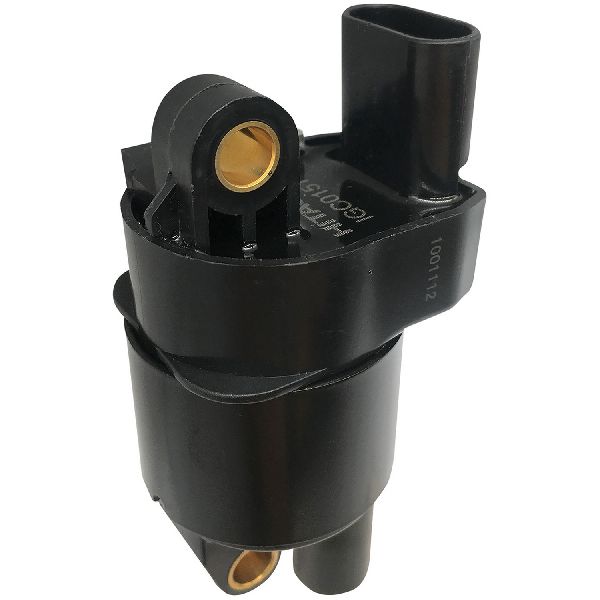
This vehicle uses a coil-on-plug (COP) ignition system. Each coil is held in place by a single 10mm bolt. The specific part number may vary between the 2.9L, 3.7L, and 5.3L engines.
We Have This Part in Stock


The information in this article is provided for general reference and educational purposes only. Vehicle specifications, procedures, and part compatibility can vary by production date, trim level, and region. Always consult your vehicle's factory service manual and verify part numbers before purchasing or performing repairs. Safety-critical components such as airbags, seat belts, and braking systems should be installed by a qualified professional.
- GMC Canyon:
- 🎬 Helpful Videos
- 🛍️ Shop This Part
- Is Your Canyon Running Rough? It Could Be an Ignition Coil.
- Symptoms of a Bad Ignition Coil
- A Note on a Rare but Serious Issue
- Choosing the Right Aftermarket Ignition Coil
- Pro Tip: Replace in Sets?
- Cost to Replace 2009-2013 GMC Canyon Ignition Coils
- Frequently Asked Questions
- 🎟️ Get 5% Off