

Guide to Replacing the Starter Motor on a 2009-2013 GMC Canyon
Don't get stranded by a bad starter; understand the symptoms, costs, and replacement options for your truck.
- Always test the battery and clean the cable connections before assuming the starter is bad.
- Replacement on I4 and I5 engines is very labor-intensive (5+ hours) because the intake manifold must be removed.
- Starters for the V8 engine are different from those for the I4 and I5 engines; ensure you buy the correct part.
- A single, loud 'click' is the most common symptom of a failed starter, whereas rapid clicking usually points to a weak battery.
Is Your GMC Canyon Starter Failing?

A bad starter is one of the most common reasons a vehicle won't start. For the 2009-2013 GMC Canyon, the signs are usually clear. It's important to distinguish these symptoms from a weak battery, as they can be similar. A weak or dead battery is often the primary suspect for a no-start condition. Before replacing the starter, always ensure your battery is fully charged and the terminals are clean and tight.
Common Symptoms of a Bad Starter:
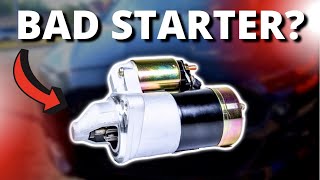
🎬 Watch: A visual guide to identifying these common starter symptoms.- Single Loud Click: When you turn the key, you hear one distinct click, but the engine doesn't turn over. This often points to a faulty starter solenoid or motor.
- No Sound, No Crank: You turn the key and get nothing—no clicking, no cranking—but your dashboard lights and accessories turn on. This suggests power isn't getting to or through the starter.
- Slow Engine Crank: The engine turns over very slowly, as if the battery is weak, even when it's fully charged. This can indicate the starter motor is worn out and drawing too much power.
- Grinding Noise: A harsh grinding sound during or after starting can mean the starter's gear is not engaging or disengaging properly with the engine's flywheel. This could be caused by worn teeth on either the starter or the flywheel.
- Intermittent Starting: The truck starts fine one day but fails to crank the next. This inconsistency is a classic sign of a starter or solenoid that is beginning to fail.
Known Issues, Recalls, and TSBs
As of early 2026, there are no major safety recalls specifically for the starter motor on the 2009-2013 GMC Canyon. However, a Technical Service Bulletin (TSB #24-NA-078) was issued for some newer GM trucks regarding a grinding noise caused by the starter bendix hanging up on the flywheel; while not for this specific year range, the symptom is relevant. Owners have also reported no-start conditions related to the Passlock anti-theft system, which can sometimes be mistaken for a starter problem.
Choosing the Right Aftermarket Starter

When replacing your starter, you have several options beyond going to the dealer. New aftermarket parts offer a wide range of quality and price points. For your Canyon, the available brands like ACDelco, MPA, Powermaster, and Proform fit into different categories.
Tier 1: OEM-Equivalent Quality
- ACDelco: As the original equipment (OE) supplier for General Motors, ACDelco parts are a reliable choice. Their "Professional" line offers new and remanufactured starters that meet or exceed original specifications, ensuring a perfect fit and reliable performance. While sometimes more expensive, they are a safe bet for longevity.
Tier 2: Performance & Heavy-Duty
- Powermaster & Proform: These brands specialize in high-torque and performance-oriented starters. A Powermaster starter can provide more cranking power, which is beneficial for modified engines or for overcoming heat-soak issues. While potentially overkill for a stock truck, they are a high-quality option if you want added durability and cranking speed.
Tier 3: Standard Aftermarket & Remanufactured
- MPA (Motor Parts of America): MPA is a major supplier of remanufactured and new aftermarket parts. Brands like MPA and other store brands often use remanufactured cores, where a used starter is rebuilt with new wear components. These offer a cost-effective solution, but quality can sometimes be inconsistent compared to a premium new unit.
Pro Tip: New vs. Remanufactured
A new starter is built from all-new components. A remanufactured starter is a used OEM or aftermarket core that has been disassembled, cleaned, and reassembled with new or refurbished parts to meet specifications. While remanufactured units are budget-friendly, one owner of a 2011 Canyon noted their remanufactured starter from a parts store failed in just eight months. For peace of mind, a new unit from a reputable brand is often worth the extra cost.
Cost of Replacing a 2009-2013 GMC Canyon Starter

The total cost depends on the part you choose and who does the work. The starter's location, particularly on the I4 and I5 engines, is under the intake manifold, making replacement a labor-intensive job. This significantly increases the labor cost compared to starters on other vehicles.
| Item | Estimated Cost |
|---|---|
| New Aftermarket Part | $120 - $310 |
| New OEM Part | $275 - $530 |
| Shop Labor | $573 - $841 |
| Total Professional Replacement | $849 - $1,371+ |
Frequently Asked Questions
Is it hard to replace the starter on a 2009-2013 Canyon?
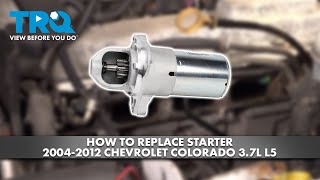
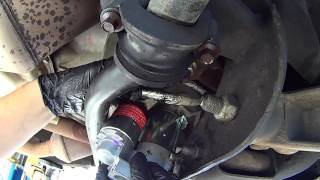
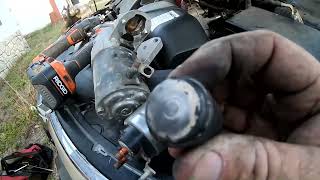
Yes, it can be difficult, especially on the 2.9L I4 and 3.7L I5 models. The starter is located underneath the intake manifold, which must be removed for access. 🎬 See this step-by-step walkthrough for replacing the I5 engine starter. This makes the job significantly more complex and time-consuming than on the 5.3L V8, where access is from underneath. 🎬 Watch: How to replace the starter on V8 engine models. A professional technician may take around 5 hours for the I4/I5 engines.
Do I need a different starter for the V8 engine versus the I4 or I5?
Yes. The starter motors for the 2.9L/3.7L engines and the 5.3L V8 engine have different part numbers and are not interchangeable. Ensure you purchase the correct starter for your specific engine size.
Is a clicking sound always a bad starter?
Not always. Rapid, repeated clicking often indicates a weak or dead battery that doesn't have enough power to turn the starter motor. A single, loud click, however, is a strong indication that the starter solenoid is engaging but the motor itself is failing to turn, pointing to a bad starter.
Can I jump-start a truck with a bad starter?
No. A jump-start provides power to a weak battery. If the starter motor itself is broken, providing extra electricity from another vehicle will not make it work. The engine will still fail to crank.
Helpful Videos
Technical Specifications
OEM Part Numbers: 12611102 19168041 19180529 12609480 19168039
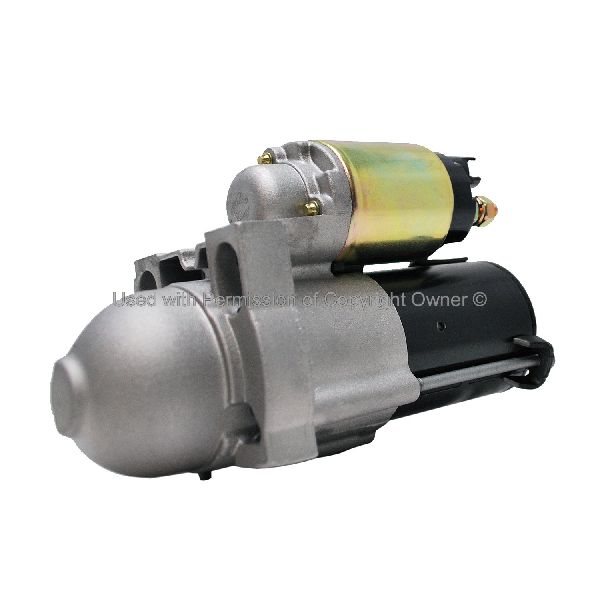
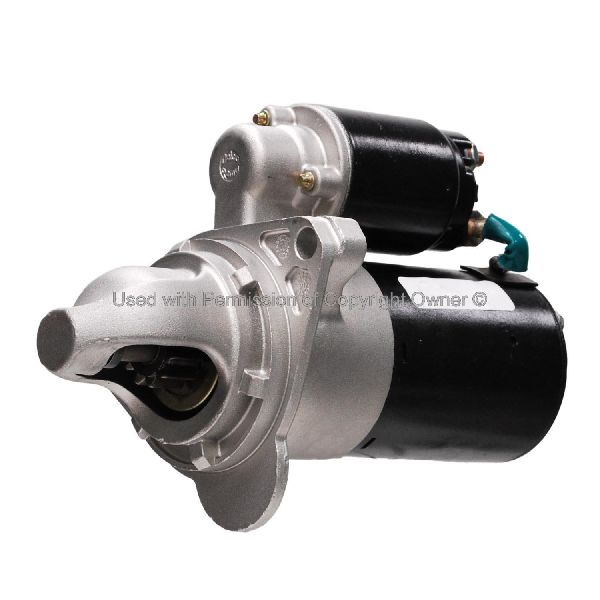
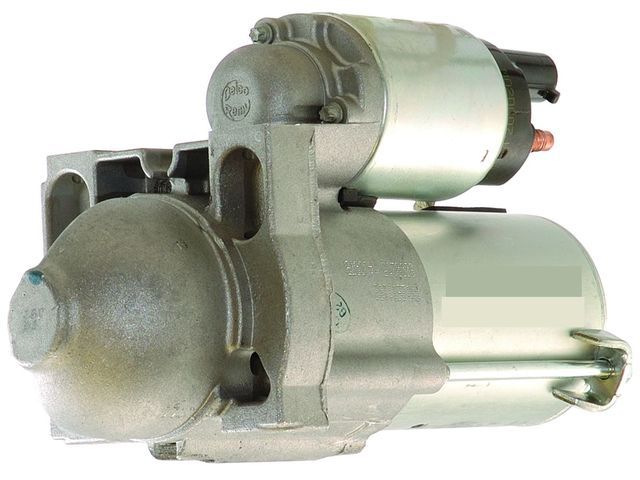
The starter for the 5.3L V8 is typically a 1.1kW or 1.4kW PMGR (Permanent Magnet Gear Reduction) type with a 9-tooth pinion gear, rotating clockwise. The starter for the 2.9L I4 and 3.7L I5 is a 1.4kW PMGR type with an 11-tooth pinion. Voltage for all applications is 12V.
We Have This Part in Stock


The information in this article is provided for general reference and educational purposes only. Vehicle specifications, procedures, and part compatibility can vary by production date, trim level, and region. Always consult your vehicle's factory service manual and verify part numbers before purchasing or performing repairs. Safety-critical components such as airbags, seat belts, and braking systems should be installed by a qualified professional.
- GMC Canyon: