

Honda Accord Radiator Replacement Guide (2009-2013)
Everything you need to know before buying a new aftermarket radiator for your 8th generation Honda Accord.
- Denso is the Original Equipment Manufacturer (OEM) for the 2009-2013 Accord; buying this brand ensures a perfect fit and quality.
- Always verify fitment for your specific engine (4-cylinder vs. V6) and transmission type (manual vs. automatic).
- It is highly recommended to replace the radiator hoses, thermostat, and radiator cap at the same time as the radiator.
- Use only Honda Type 2 (blue) long-life coolant to protect your engine and cooling system.
Is Your Accord's Radiator Failing?

A failing radiator is a serious issue that can leave you stranded and lead to expensive engine repairs. If you notice any of the following symptoms, it's time to inspect your cooling system immediately.
Key Failure Symptoms
- Engine Overheating: The most obvious sign. If your temperature gauge is in the red, pull over safely and turn off the engine as soon as possible.
- Coolant Leaks: Puddles of sweet-smelling, brightly colored fluid (usually blue or green for Honda) under the front of your car. Leaks often occur from cracks in the plastic end tanks or where the core meets the tanks.
- Visible Radiator Damage: Bent fins from road debris or signs of corrosion (rust-colored stains) on the aluminum core are clear indicators of a problem.
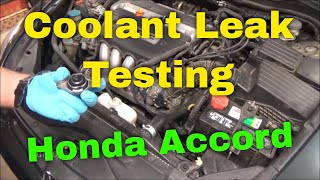
- Low Coolant Level: Frequently needing to top off your coolant reservoir suggests a leak somewhere in the system, and the radiator is a common culprit. 🎬 Watch this guide on how to test for coolant leaks.
- Steam from Engine Bay: If you see steam, it means hot coolant is escaping and turning to vapor. This is a critical situation.
Known Issues, Recalls, or TSBs
For the 2009-2013 model years, there are no specific widespread recalls or Technical Service Bulletins (TSBs) from Honda directly related to radiator failure. Most issues are due to normal wear and tear over time, or damage from road debris. The plastic end tanks can become brittle and crack, and the seams where the plastic tanks are crimped to the aluminum core can start to leak. Some owners in forums have reported radiator failures around 120,000 miles, which is a reasonable service life for this part.
Choosing the Right Aftermarket Radiator

When replacing your Accord's radiator, you have several options. While a new OEM part from a Honda dealer is an option, high-quality aftermarket parts can offer the same performance for a fraction of the price. It's important to know that Honda often uses Denso as its original equipment manufacturer (OEM). This means buying a Denso-branded radiator is like getting the original part without the dealer markup.
Brand Tiers for Your Accord
- OEM / Premium Aftermarket (Denso, Koyorad, CSF): Denso is the original manufacturer for many Hondas and is considered a direct, reliable replacement. Koyorad and CSF are highly-regarded Japanese brands known for excellent build quality, often meeting or exceeding OEM standards. These are top choices for reliability and a perfect fit.
- Standard Aftermarket (Spectra, Nissens): Brands like Spectra Premium and Nissens are well-established in the aftermarket and produce reliable, OE-equivalent radiators. They are a solid, cost-effective choice for daily driving and are widely available.
- Economy Brands (APDI, Global Parts, Onix, etc.): These brands offer the lowest price point. While they can be a good budget solution, quality can be less consistent than premium brands. They are functional but may not have the same longevity as a Denso or Koyorad.
Cost of Replacing a 2009-2013 Honda Accord Radiator

The total cost depends on whether you do the work yourself or hire a professional mechanic. The job is feasible for a DIYer with basic tools.
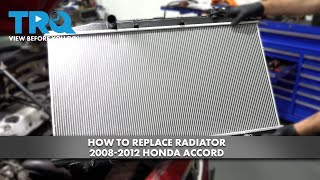
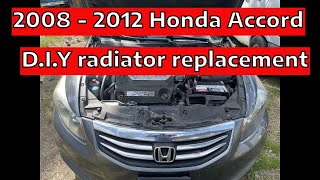
🎬 See this step-by-step walkthrough for replacing your Accord's radiator.| Part / Service | Estimated Cost |
|---|---|
| New Aftermarket Radiator | $109 - $548 |
| New OEM Honda Radiator | $300 - $682 |
| Shop Labor | $249 - $365 |
| Total Professional Replacement | $358 - $1047 |
Frequently Asked Questions
Is Denso the same as the original Honda radiator?
Yes, Denso is a primary Original Equipment Manufacturer (OEM) for Honda. Choosing a Denso-branded aftermarket radiator often means you are getting the same part that was installed at the factory, ensuring a perfect fit and reliable performance.
Should I replace my radiator hoses and thermostat at the same time?
Yes, it is highly recommended. The radiator hoses are made of rubber and degrade over time. Since you have to drain the coolant to replace the radiator, it's the perfect time to replace the upper and lower hoses, as well as the thermostat, for minimal extra labor. This provides peace of mind and helps ensure the entire cooling system is reliable.
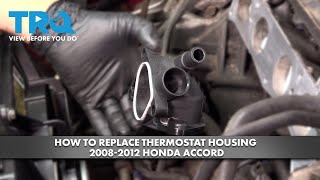
🎬 Watch how to replace the thermostat while the system is drained.Do I need a new radiator cap?
Yes, always install a new radiator cap. Most aftermarket radiators do not include one. The cap is a critical part that holds pressure in the system, raising the boiling point of the coolant. A faulty cap can cause overheating even with a new radiator.
What type of coolant should I use in my 2009-2013 Accord?
You must use Honda Type 2 Long Life Antifreeze/Coolant. This is a blue-colored, pre-mixed coolant specifically formulated for Honda's aluminum engines. Using the wrong type of coolant can lead to corrosion and damage to cooling system components.
Helpful Videos
Technical Specifications
OEM Part Numbers: 19010-R40-A03 19010-R40-A01 19010-R70-A51 19010-R40-A51 19010-R40-A61
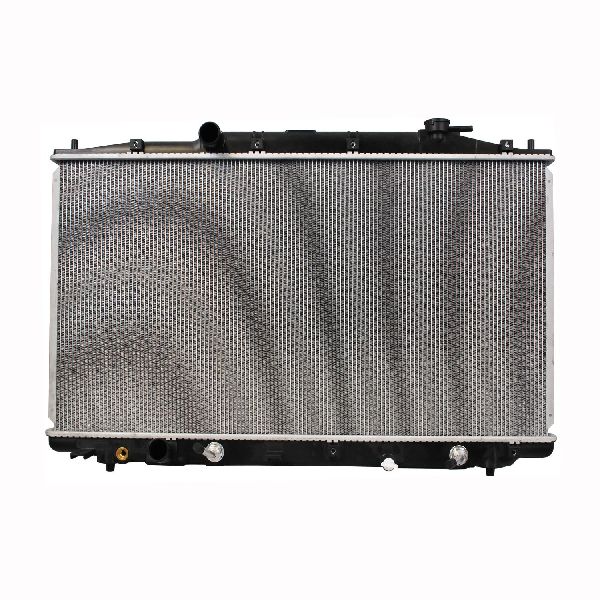
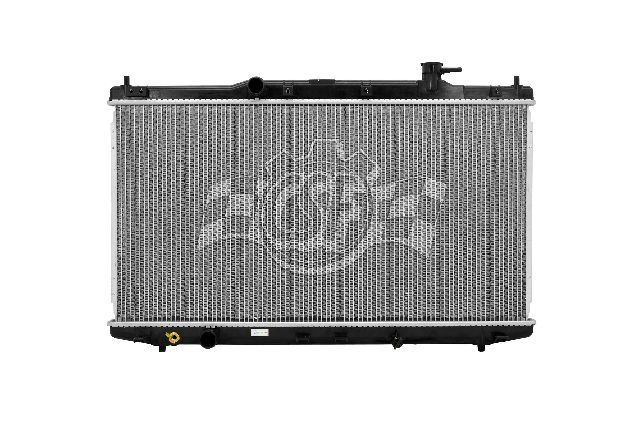
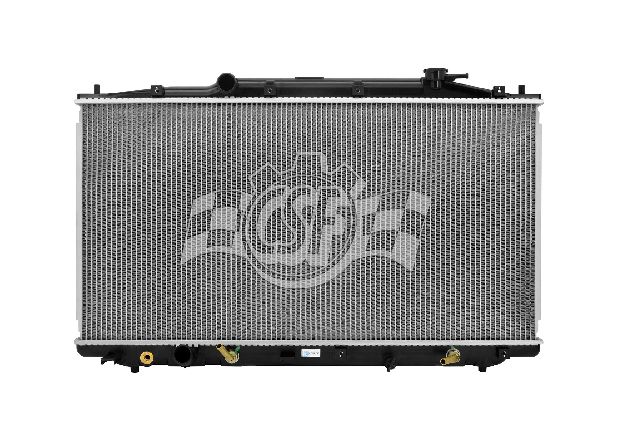
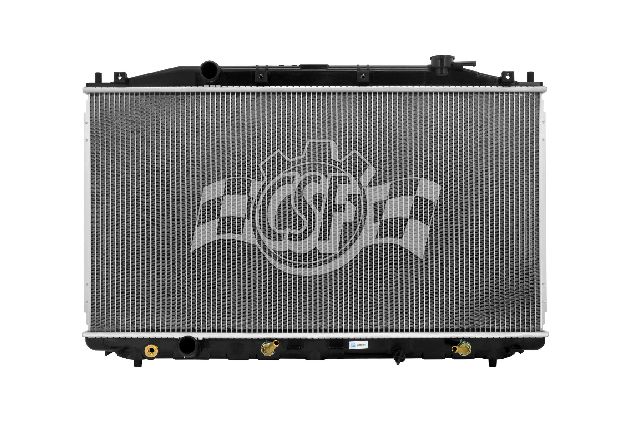
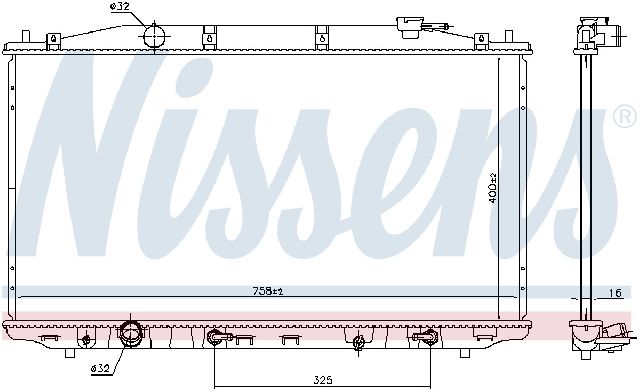
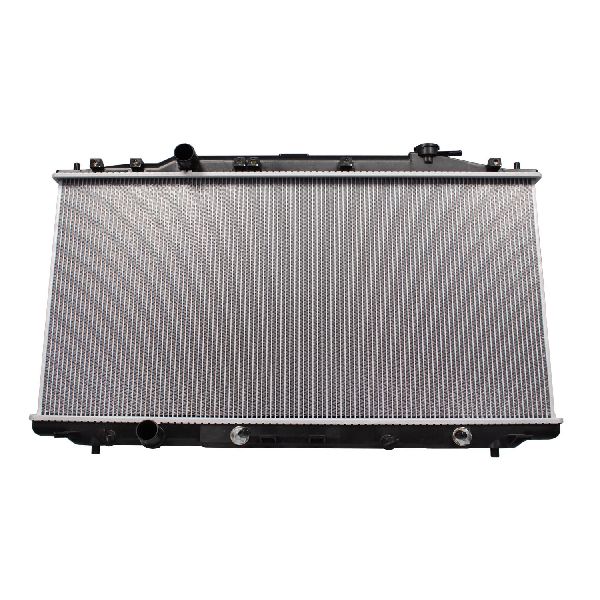
The radiator for the 2009-2013 Honda Accord is a crossflow type with an aluminum core and plastic end tanks. Models with automatic transmissions will have an integrated transmission fluid cooler within the radiator assembly. Core dimensions vary slightly between models but are approximately 15.7" x 30.1".
We Have This Part in Stock

The information in this article is provided for general reference and educational purposes only. Vehicle specifications, procedures, and part compatibility can vary by production date, trim level, and region. Always consult your vehicle's factory service manual and verify part numbers before purchasing or performing repairs. Safety-critical components such as airbags, seat belts, and braking systems should be installed by a qualified professional.
- Honda Accord: