

A Guide to Oxygen Sensors for the 2009-2013 Hyundai Elantra
Learn how to diagnose, choose, and replace a failing oxygen sensor to restore your Elantra's fuel economy and performance.
- Your Elantra has two O2 sensors (upstream and downstream); you must identify which one has failed before buying a replacement.
- Symptoms of failure include a check engine light, poor gas mileage, and rough engine performance.
- For best results, choose a top-tier aftermarket brand like Denso or NGK/NTK, which are often the original equipment suppliers.
- Replacing an O2 sensor is often a DIY job, but the old sensor can be difficult to remove if it's seized by rust.
Signs of a Failing Oxygen Sensor in Your Elantra

When an oxygen sensor starts to fail, your car will give you several warning signs. Ignoring them can lead to bigger, more expensive problems, like a damaged catalytic converter. The most obvious sign is the check engine light turning on. Other common symptoms include:
- Worse Gas Mileage: You'll find yourself at the gas pump more often because the engine is using too much fuel.
- Rough Engine Performance: Your Elantra might idle roughly, hesitate when you accelerate, or even stall.
- Bad Smells: A failing sensor can cause a rotten egg or strong fuel smell from the exhaust.
- Failed Emissions Test: A bad O2 sensor will almost certainly cause your vehicle to fail a state emissions inspection.
Choosing the Right Aftermarket Oxygen Sensor

When replacing an O2 sensor, you don't have to buy the expensive original equipment manufacturer (OEM) part from a Hyundai dealer. High-quality aftermarket parts can be just as reliable and save you money. However, quality varies by brand. For a critical part like an O2 sensor, it's best to stick with trusted names.
Aftermarket Brand Tiers for Hyundai Elantra
| Tier | Brands | Description |
|---|---|---|
| Top Tier (OEM Quality) | Denso, NGK/NTK | These brands are often the original suppliers to Hyundai. Choosing Denso or NGK (also sold as NTK) is the closest you can get to the original part's performance and longevity. They are highly recommended by mechanics and owners. |
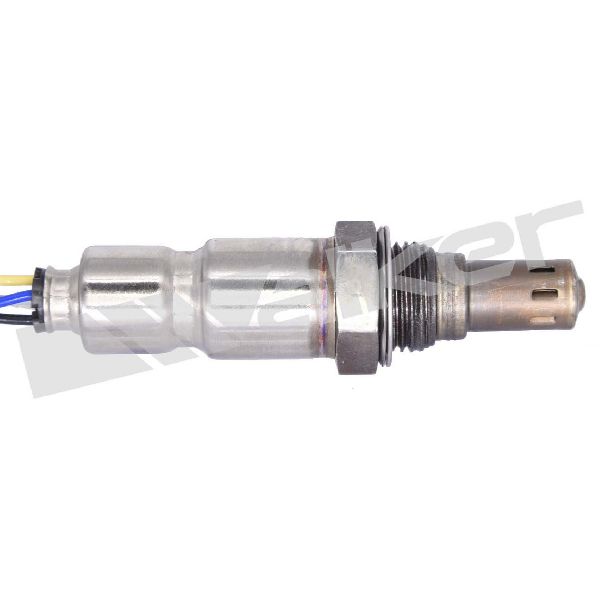
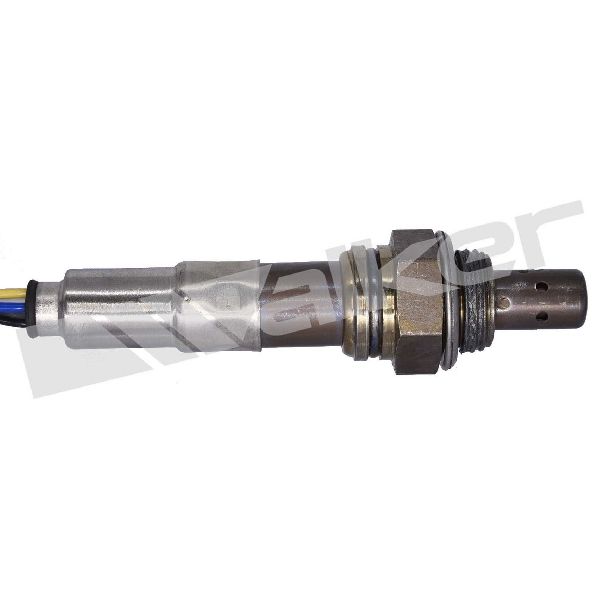
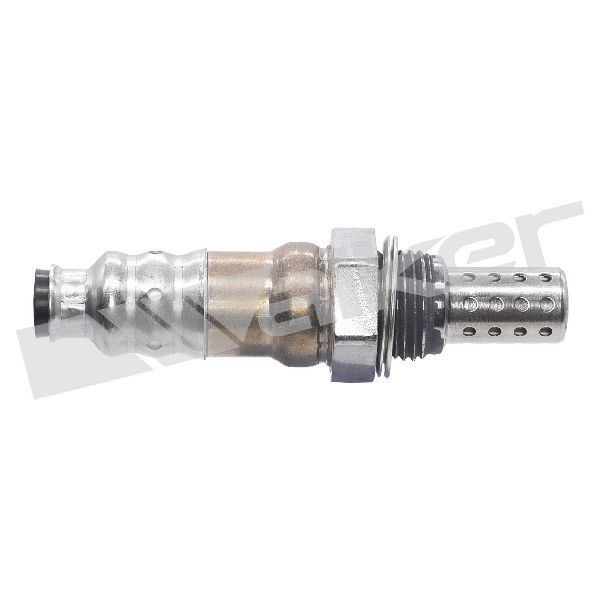
| Trusted Aftermarket | Bosch, Delphi, Walker Products | Bosch invented the modern oxygen sensor and is a globally trusted brand. Delphi and Walker are also well-regarded in the aftermarket for providing reliable parts that fit correctly. |
| Budget Options | DriveWire, Encore Automotive, Facet | These brands offer a lower price point. While they can be a good value, their long-term durability and performance may not match the higher-tier brands. They are best for those on a tight budget who need a quick fix. |
Common Ordering Mistakes

Your 2009-2013 Elantra has two oxygen sensors, and they are not the same part. It's crucial to order the correct one.
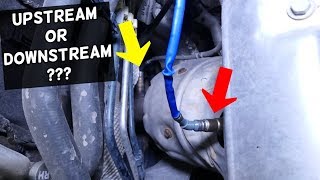
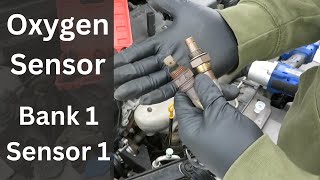
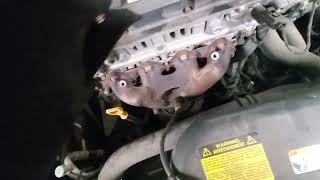
- Upstream Sensor (Bank 1, Sensor 1): This sensor is located on the exhaust manifold, before the catalytic converter. It is the primary sensor for controlling the air-fuel mixture. A failure here has a more direct impact on how the engine runs. 🎬 See how to replace the upstream sensor on a 2009 Elantra.
- Downstream Sensor (Bank 1, Sensor 2): This sensor is located after the catalytic converter. Its main job is to monitor the converter's efficiency.
Always double-check whether you need the upstream or downstream sensor before ordering. 🎬 Watch this video to identify your upstream and downstream sensors. Using a code scanner can tell you which sensor is reporting a fault (e.g., code P0136 refers to Bank 1, Sensor 2, the downstream sensor).
Frequently Asked Questions (FAQ)
How many oxygen sensors does my 2009-2013 Elantra have?
Your Elantra has two oxygen sensors. One is the "upstream" sensor located before the catalytic converter, and the other is the "downstream" sensor located after it.
Can I clean my old oxygen sensor instead of replacing it?
While some people attempt to clean O2 sensors, it is not a reliable or recommended fix. The internal sensing elements wear out over time from heat and contaminants, and cleaning does not restore them. Replacement is the only guaranteed solution.
Is replacing an O2 sensor a DIY job?
Yes, for many owners, this is a feasible DIY project. The sensors are usually accessible, especially the upstream one on top of the engine. However, they can be seized in the exhaust pipe due to years of heat and rust. You will need a special tool called an O2 sensor socket and potentially a penetrating oil to help loosen the old sensor. If the sensor is stuck tight, it may require a professional mechanic with more tools and experience.
🎬 Watch what can happen if an O2 sensor replacement fails.Are there any recalls for the oxygen sensor on my Elantra?
There are no specific recalls for oxygen sensors on the 2009-2013 Hyundai Elantra. However, a recall was issued for some 2011-2015 Elantra models related to the anti-lock brake system, which could cause an electrical short. Always check for any open recalls on your specific vehicle using its VIN.
Helpful Videos

Technical Specifications
OEM Part Numbers: 39210-2E100 39210-2E200 39210-2E400 39210-2E500 39210-23950
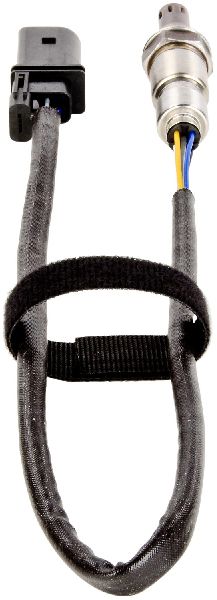
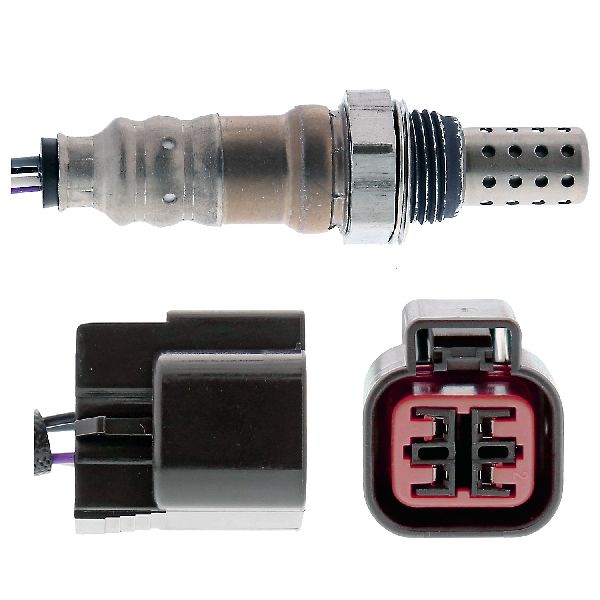
Your 2009-2013 Elantra uses heated, 4-wire or 6-wire oxygen sensors. The upstream sensor is often an Air/Fuel Ratio (A/F) sensor, which is a more precise type of O2 sensor. The downstream sensor is a standard O2 sensor. Both require a 22mm (or 7/8") wrench or a special O2 sensor socket for removal.
We Have This Part in Stock


The information in this article is provided for general reference and educational purposes only. Vehicle specifications, procedures, and part compatibility can vary by production date, trim level, and region. Always consult your vehicle's factory service manual and verify part numbers before purchasing or performing repairs. Safety-critical components such as airbags, seat belts, and braking systems should be installed by a qualified professional.
- Hyundai Elantra: