

A Guide to the Engine Coolant Temperature Sensor for the 2009-2013 Nissan Sentra
Poor gas mileage or a rough idle in your Sentra could be a simple fix.
- Symptoms of a bad ECT sensor can mimic more serious, common Sentra issues like CVT failure.
- Replacement is a simple, low-cost DIY job that most owners can do in under 30 minutes.
- The Genuine Nissan (OEM) sensor is inexpensive and the most reliable choice for this repair.
- Ignoring a bad sensor can lead to engine overheating or catalytic converter damage.
Is Your Sentra's Coolant Sensor Failing?
A bad Engine Coolant Temperature (ECT) sensor can cause problems that seem much worse than they are. Because the sensor's signal is so important, a wrong reading can make the engine behave poorly. If the sensor sends a false "cold" signal, the engine's computer will inject too much fuel, leading to several noticeable issues.
Don't Mistake Symptoms for Bigger Problems
The 2009-2013 Nissan Sentra is known for issues with its Continuously Variable Transmission (CVT) and other engine components that can cause stalling, shaking, and rough running. Many symptoms of a failing ECT sensor—like a rough idle or poor performance—can feel similar. Before assuming you have a major transmission problem, it's wise to check for engine codes related to the ECT sensor, as it's a much cheaper and easier fix.
Common Symptoms of a Bad ECT Sensor
- Check Engine Light: This is often the first sign. A code scanner might show codes like P0117 (Circuit Low Input) or P0118 (Circuit High Input). 🎬 See how to test and clear these specific engine codes
- Poor Fuel Economy: If the sensor tells the computer the engine is always cold, the computer will waste fuel by running a rich mixture.
- Black Smoke from Exhaust: This is a clear sign of too much fuel being burned, which often points to a bad ECT sensor signal.
- Engine Overheating: The sensor might fail to tell the computer the engine is hot, so the cooling fans won't turn on when needed.
- Rough Idle and Stalling: An incorrect fuel mixture can make the engine run poorly, especially when stopped.
- Hard Starting When Warm: The engine may be flooded with too much fuel, making it difficult to start after it has already warmed up.
Choosing the Right Aftermarket Sensor
For many parts, aftermarket options are a great way to save money. For sensors, however, quality and accuracy are critical. A cheap, poorly calibrated sensor can cause the same problems as a broken one. Luckily, the genuine Nissan OEM sensor for the Sentra is surprisingly affordable.
Brand Quality Tiers
Top Tier / OE-Equivalent:
- Genuine Nissan (OEM): This is the safest choice. It's built to the exact specifications for your Sentra's computer and is not expensive for this model. The most common part number is 22630-JA10A.
- Beck Arnley: This brand has a strong reputation for sourcing parts from the original equipment manufacturers. It's often considered the next best thing to buying the part from the dealer.
- NGK / NTK: A highly respected Japanese brand known for making top-quality sensors for many car manufacturers.
Reliable Aftermarket:
- Bosch, Delphi, Hella, Standard Ignition (SMP): These are well-known brands that produce reliable parts. While generally good, there's always a small chance an electronic part could be faulty out of the box. Forum users have mixed experiences, but they are a solid choice over store-brand parts.
Standard / Budget Tier:
- Four Seasons, Walker Products, Facet, Skyward, etc.: These brands offer a functional replacement at a low price. They can be a good value, but carry a slightly higher risk of calibration issues compared to top-tier brands. If your budget is tight, they will get the job done, but check for proper engine operation after installation.
A Note on Cost
Some online estimators show very high labor costs for this repair on a Sentra. However, for both the 2.0L and 2.5L engines, the sensor is easy to access, making this a quick job for a mechanic (under an hour). Do not be alarmed by high quotes; shop labor should be minimal.
Typical Replacement Costs
| Part Type | Price Range |
|---|---|
| New OEM (Genuine Nissan) | $16 - $25 |
| New Aftermarket | $5 - $48 |
| Shop Labor | $75 - $150 |
Frequently Asked Questions
Where is the ECT sensor located on my 2009-2013 Sentra?
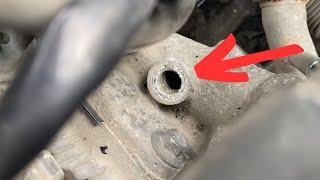
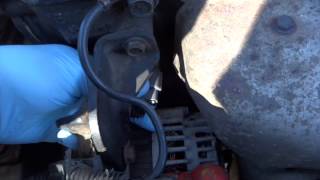
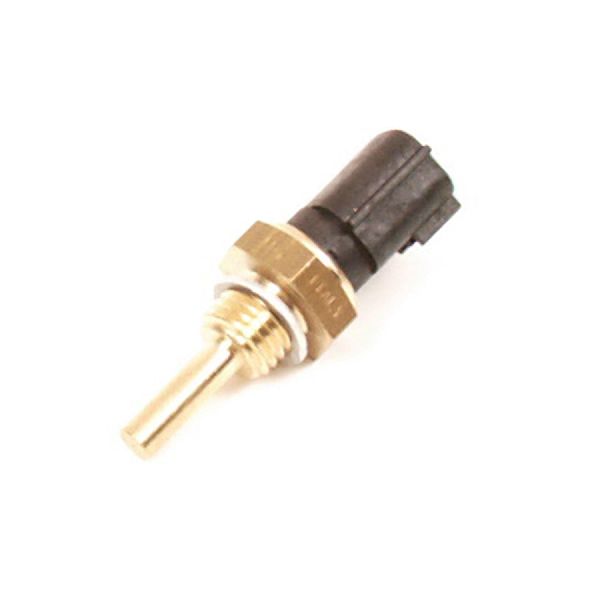
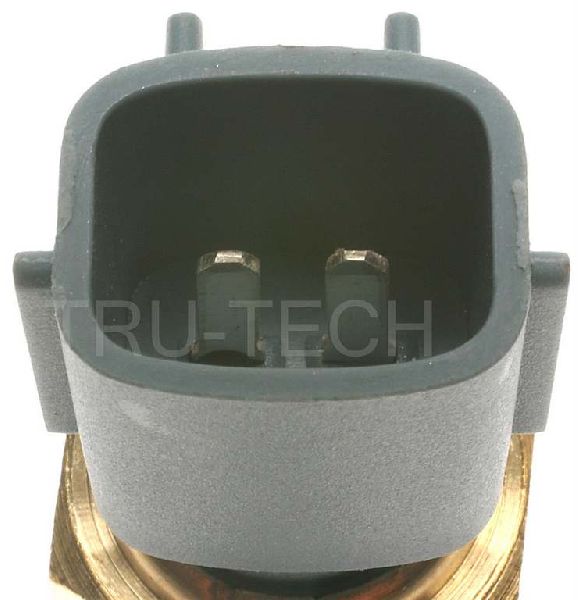
The location is slightly different depending on your engine, but it is easy to find on both. On the 2.0L engine, it is on the right side of the engine 🎬 Watch: 2.0L Sentra sensor location and replacement walkthrough near the thermostat housing. On the 2.5L engine, it is also on the engine block, typically accessible after removing the plastic engine cover. It is a small sensor with a plastic electrical connector on top.
Can I replace this sensor myself?
Yes, this is a great DIY job for beginners. The process involves letting the engine cool completely, disconnecting the electrical plug, and using a deep socket or wrench (often 14mm) to unscrew the old sensor. Screw the new one in, reconnect the plug, and top off any coolant that was lost. Some coolant will spill when you remove the old sensor, so have a drain pan ready.
What happens if I don't replace a bad ECT sensor?
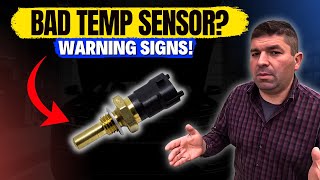
Driving with a bad sensor is not recommended. In the short term, you will suffer from very poor gas mileage and potentially fail an emissions test. Over time, running a constantly rich fuel mixture can damage your catalytic converter and foul your spark plugs. If the sensor fails to trigger the cooling fans, your engine could overheat, leading to severe and expensive damage 🎬 Watch: Summary of symptoms and what replacement costs to expect like a warped cylinder head.
Is an aftermarket sensor good enough for my Sentra?
For this specific part, the Genuine Nissan sensor is very affordable, making it the best choice. However, if you choose an aftermarket part, stick with a reputable brand like Beck Arnley or NGK. Cheap, unbranded sensors are a gamble and may not be calibrated correctly, causing performance issues right out of the box.
Helpful Videos
Technical Specifications
OEM Part Numbers: 22630-JA10A
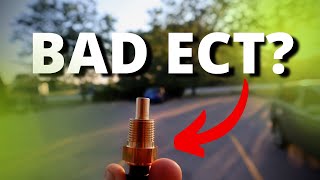
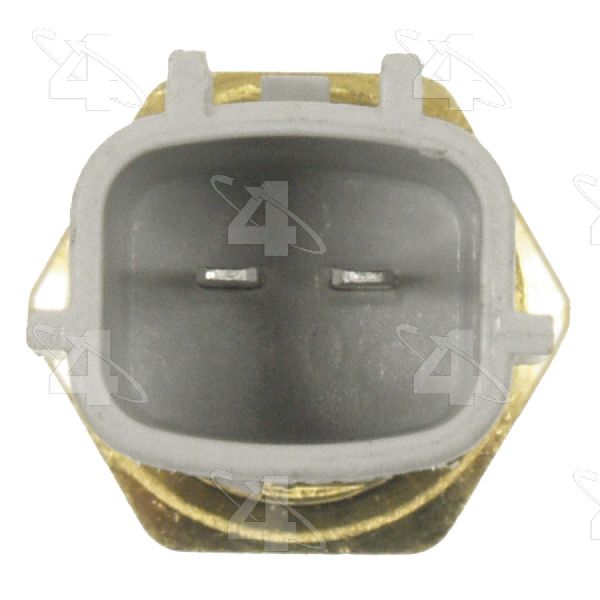
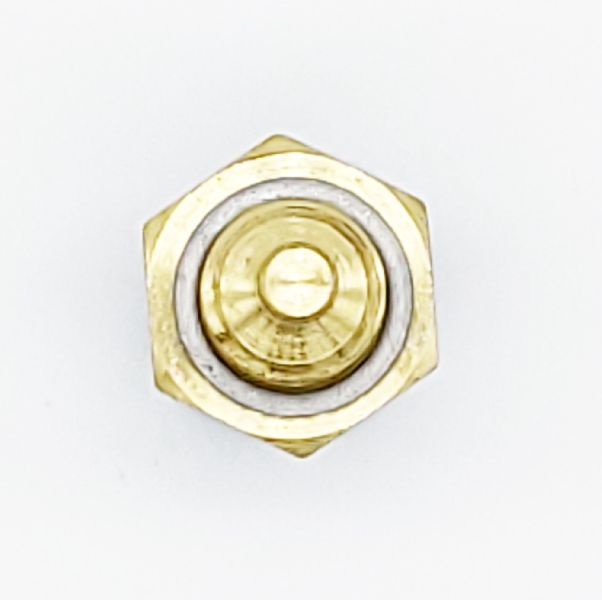
Two-wire thermistor sensor, typically with a brass body and plastic connector. Screws into the engine block or thermostat housing.
We Have This Part in Stock


The information in this article is provided for general reference and educational purposes only. Vehicle specifications, procedures, and part compatibility can vary by production date, trim level, and region. Always consult your vehicle's factory service manual and verify part numbers before purchasing or performing repairs. Safety-critical components such as airbags, seat belts, and braking systems should be installed by a qualified professional.
- Nissan Sentra: