

A Suzuki Grand Vitara Owner's Guide to Oxygen Sensor Replacement (2009-2013)
Fixing a bad oxygen sensor can restore your fuel economy and engine performance; here is what you need to know.
- Confirm if you need an upstream or downstream sensor, and for which bank if you have the V6 engine.
- Choose a direct-fit sensor from an OEM-equivalent brand like Denso or NGK/NTK for the most reliable repair.
- Ignoring a bad O2 sensor can lead to poor performance, bad fuel economy, and potential damage to the catalytic converter.
- While DIY replacement is possible, rusted sensors can be very difficult to remove without the right tools and experience.
Is Your Grand Vitara's Oxygen Sensor Failing?

A failing oxygen sensor can cause noticeable problems with your vehicle. Because the sensor's data is vital for engine management, a bad sensor can make your engine run rough, hesitate during acceleration, or even stall. You will almost certainly see a Check Engine Light on your dashboard. The most common sign owners notice first is a sudden drop in fuel economy. If the problem is ignored, it can lead to damage to your expensive catalytic converter.
Common Symptoms of a Bad O2 Sensor
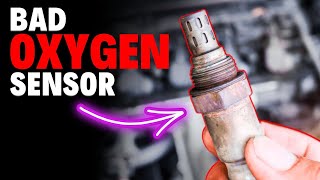
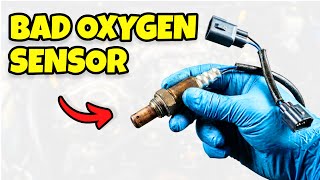
🎬 Watch: 6 common symptoms of a failing oxygen sensor- Check Engine Light is on
- Worse gas mileage
- Rough or shaky idle
- Engine hesitation or loss of power
- Failed emissions test
- Strong smell of gasoline from the exhaust
Choosing the Right Aftermarket Oxygen Sensor

When shopping for a new oxygen sensor for your Grand Vitara, you will find many brands. They are not all the same quality. For a critical part like this, choosing a quality, direct-fit sensor is important. Avoid "universal" sensors which require you to cut and splice wires. A poor connection can cause the new sensor to fail or provide incorrect readings.
Brand Quality Tiers
Tier 1: OEM-Equivalent Brands (Denso, NGK/NTK)
Denso and NGK (which owns the NTK sensor brand) are major original equipment suppliers for Japanese vehicles like your Suzuki. Choosing one of these brands is the safest choice for a reliable, long-lasting repair. They are engineered to the exact specifications of the original part.
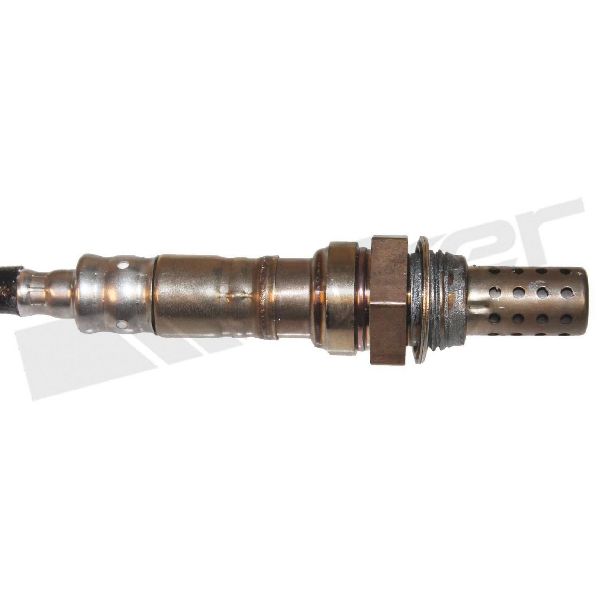
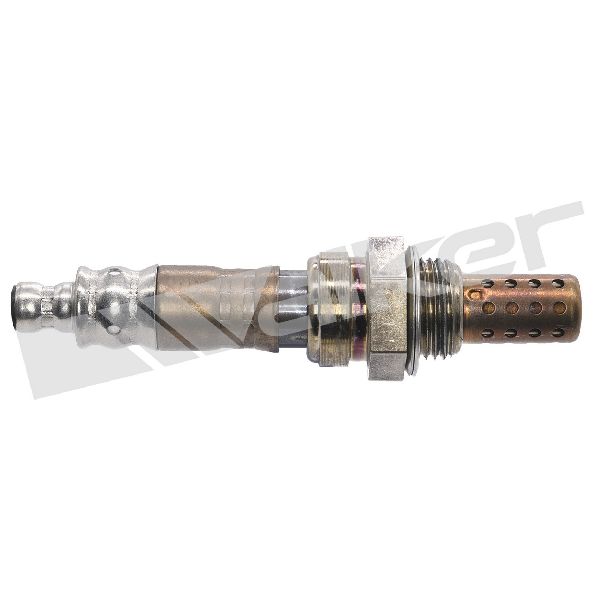
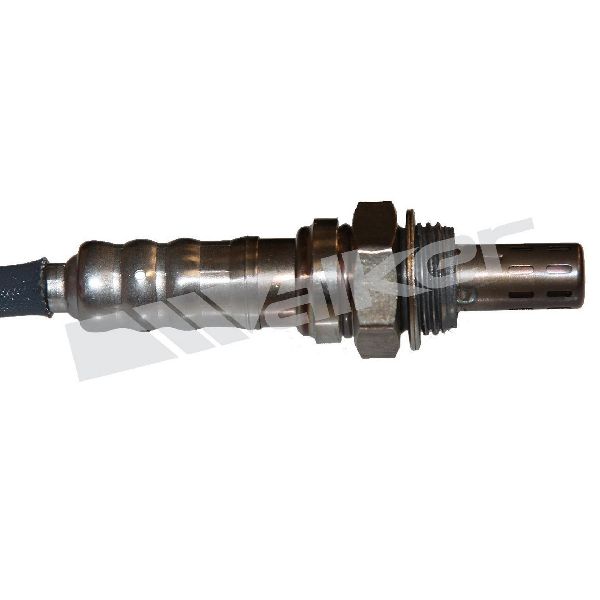
Tier 2: Reputable Aftermarket (Bosch, Delphi, Walker, Spectra)
Bosch is a massive OEM supplier, and their sensors are high quality. However, some mechanics and owners prefer to stick with Denso or NTK for Japanese vehicles, as they have occasionally seen compatibility issues with other brands. Delphi, Walker Products, and Spectra are also established aftermarket brands that offer direct-fit sensors that are a good alternative to the OEM-equivalent brands.
Tier 3: Budget Brands (DriveWire)
Budget-friendly brands like DriveWire can save you money upfront. However, they may not have the same durability or precise calibration as the higher-tier brands. Some of these may also be universal-fit, which requires wire splicing and should be avoided.
Pro Tip: Before you order, you must know if you need an upstream (before catalytic converter) or downstream (after catalytic converter) sensor. They are not interchangeable. If you have the V6 engine, you will also need to know which side of the engine (which bank) the sensor is for.
How Many Sensors Does My Grand Vitara Have?
🎬 See this guide on how to find O2 sensor locations
The number of sensors depends on your engine:
- 2.4L 4-Cylinder Engine: This engine has two oxygen sensors: one upstream (before the catalytic converter) and one downstream (after the catalytic converter).
- 3.2L V6 Engine: This engine has four oxygen sensors. There is one upstream and one downstream sensor for each bank of cylinders (two on the left side, two on the right side).
Cost of Replacing an Oxygen Sensor
The cost can vary based on the brand of the part and local labor rates. The part itself is the main factor in the price difference.
| Item | Estimated Cost |
|---|---|
| New Aftermarket Oxygen Sensor | $49 - $267 |
| Shop Labor | $75 - $150 |
| Total Estimated Cost | $124 - $417 |
Frequently Asked Questions

Can I drive with a bad oxygen sensor?
You can usually drive your vehicle, but it is not recommended for long. You will experience poor engine performance and fuel economy, and you risk damaging your catalytic converter over time, which is a much more expensive repair.
Can I clean my old oxygen sensor?
While some online sources suggest cleaning an O2 sensor, it is not a reliable or permanent fix. The sensor fails because its internal components wear out, not just because it's dirty. Replacement is the only proper solution.
Is this a difficult DIY job?
For a person with some mechanical experience, replacing an O2 sensor is possible. The main challenge is often rust, which can make the old sensor very difficult to remove from the exhaust pipe. 🎬 Watch: How to remove and replace a rusted-on sensor You will also need a special tool called an oxygen sensor socket, which has a slot for the wire.
Are there any recalls for this part?
No, there are no specific recalls or technical service bulletins (TSBs) from Suzuki for widespread oxygen sensor failures on the 2009-2013 Grand Vitara.
Why do I need a "direct-fit" sensor?
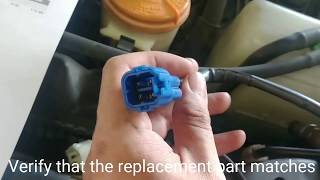
A direct-fit sensor has the correct length, wire harness, and connector for your specific vehicle. This means you can just unplug the old one and plug in the new one. A "universal" sensor requires cutting your vehicle's wiring and splicing the new sensor in, which can lead to connection problems and is not recommended.
Helpful Videos
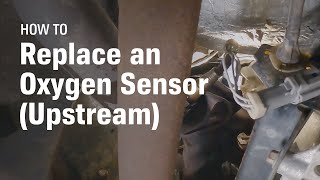

Technical Specifications
OEM Part Numbers: 18213-78K00 18213-79K10
Your vehicle uses heated, 4-wire oxygen sensors. The upstream sensor is an Air/Fuel Ratio sensor, while the downstream is a monitoring sensor. They are not interchangeable. The 2.4L I4 engine uses two sensors, and the 3.2L V6 uses four.
We Have This Part in Stock
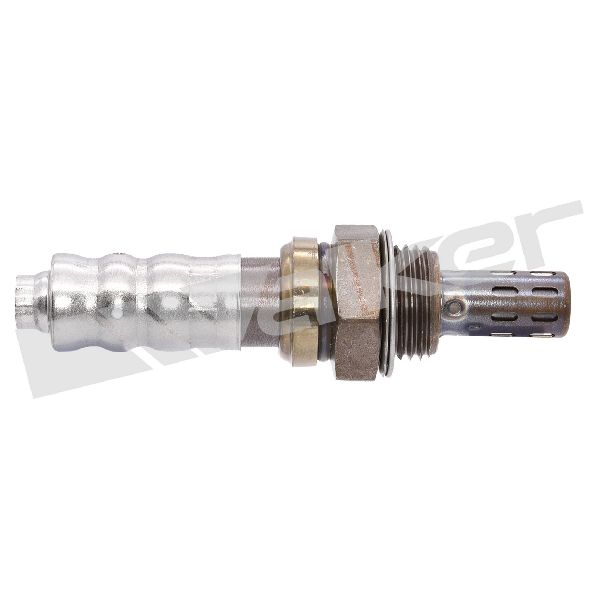
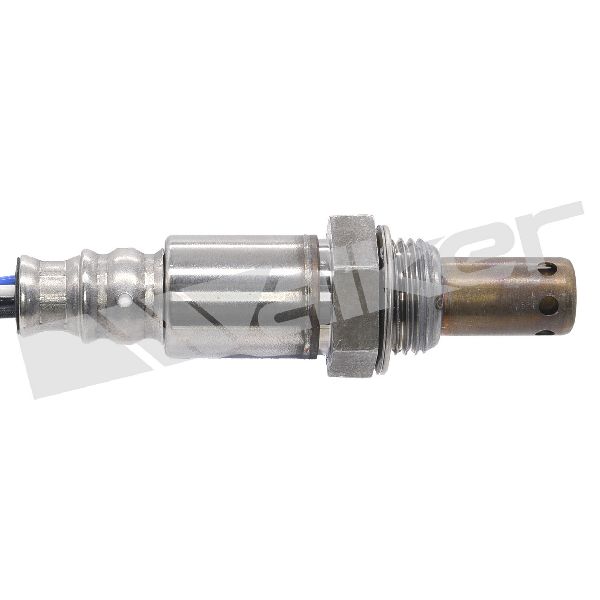

The information in this article is provided for general reference and educational purposes only. Vehicle specifications, procedures, and part compatibility can vary by production date, trim level, and region. Always consult your vehicle's factory service manual and verify part numbers before purchasing or performing repairs. Safety-critical components such as airbags, seat belts, and braking systems should be installed by a qualified professional.
- Suzuki Grand Vitara:
- 🎬 Helpful Videos
- 🛍️ Shop This Part
- Is Your Grand Vitara's Oxygen Sensor Failing?
- Common Symptoms of a Bad O2 Sensor
- Choosing the Right Aftermarket Oxygen Sensor
- Brand Quality Tiers
- How Many Sensors Does My Grand Vitara Have?
- Cost of Replacing an Oxygen Sensor
- Frequently Asked Questions
- 🎟️ Get 5% Off