

A Mechanic's Guide to the 2009-2013 Toyota Corolla Automatic Transmission Mount
Feeling a vibration or hearing a clunk? Your Corolla's transmission mount might be the culprit.
- A clunking noise when shifting into gear and vibration at idle are the most common symptoms of a bad mount.
- For a smooth, vibration-free repair, using an OEM Toyota mount is highly recommended by mechanics and owners.
- It's best practice to inspect all engine and transmission mounts at the same time, as they tend to wear out together.
- Replacement is a DIY-friendly job for those with basic tools, but requires safely supporting the transmission.
Is Your Corolla Shaking or Clunking?

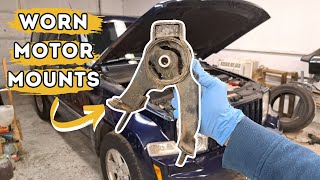
A failing automatic transmission mount on the 2009-2013 Corolla will give you some clear warning signs. Because the mount's job is to hold the transmission steady and absorb vibration, the most common symptoms happen when it can no longer do its job. You might feel an excessive vibration in the cabin, especially when the car is stopped at a light but still in gear. Another very common sign is a loud "clunk" or "thud" noise when you shift from Park into Drive or Reverse. This sound is the transmission itself moving and hitting against other parts because the mount is no longer holding it securely.
🎬 Watch: How to identify and locate a failing engine mountCheck Your Engine Mounts, Too
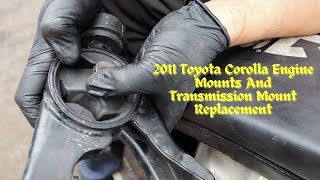
Your Corolla has a total of three or four mounts holding the engine and transmission together. When one fails, it puts extra stress on the others, causing them to wear out faster. It is highly recommended to inspect all mounts (passenger side, driver side/transmission, and rear) and replace them as a set 🎬 See this full walkthrough for replacing all engine and transmission mounts if they show signs of wear. This prevents you from having to do the same job again in a few months.
Choosing the Right Aftermarket Mount

When replacing your transmission mount, you have a choice between Original Equipment (OEM) from Toyota and various aftermarket brands. For a part like this, the quality of the rubber makes a huge difference.
- OEM (Toyota): The original part is proven to provide the best vibration absorption and fit. Many professional mechanics and experienced owners strongly recommend using the OEM mount to avoid vibration issues that are common with cheaper alternatives.
- Beck Arnley: Often considered a premium aftermarket brand that aims to match OEM quality. However, some forum users have reported mixed experiences, with some parts not fitting perfectly or failing sooner than expected.
- Anchor / DEA: These are widely available, budget-friendly brands. While the price is lower, they are often made with harder rubber. This can lead to more vibrations felt inside the car compared to the original part. They can be a decent option if budget is the main concern, but don't expect the same smooth feel as the original mount.
For mounts, you often get what you pay for. If your main goal is to restore the original smooth ride of your Corolla, spending more on an OEM or a high-quality aftermarket part is usually worth it.
Typical Replacement Costs
The cost to replace a transmission mount can vary. The part itself is affordable, but labor will add to the total cost if you have a shop do the work.
| Item | Estimated Cost |
|---|---|
| New OEM Part | $100 - $240 |
| New Aftermarket Part | $40 - $75 |
| Shop Labor | $160 - $235 |
| Total (Shop Repair) | $200 - $475 |
Frequently Asked Questions

Are there any recalls for this part?
No, there are no specific recalls for the transmission mounts on the 2009-2013 Toyota Corolla. While Toyota has issued recalls for other transmission-related components on different model years, the mounts themselves have not been subject to a safety recall.
Is this a difficult DIY job?
For a home mechanic with the right tools, this is a manageable job. It involves supporting the transmission with a jack and a block of wood, removing the air filter box and battery for access, and then unbolting the old mount and installing the new one. It typically requires a good socket set and can take about 1-2 hours.
🎬 Watch: Step-by-step guide to replacing the transmission mount yourselfWhat happens if I don't replace a bad mount?
Ignoring a bad transmission mount can lead to more serious problems. The constant movement can put stress on other components like CV axles, exhaust pipes, and other engine mounts, causing them to fail prematurely. In extreme cases, the excessive movement could damage the transmission case itself.
Will a new mount fix my car's vibration?
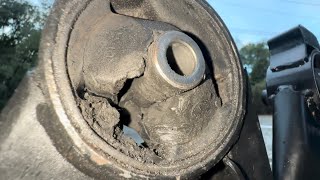
If the mount is truly bad (cracked, collapsed, or separated rubber), then yes, a new mount should solve vibration and clunking noises. However, if you use a cheap aftermarket mount with very hard rubber, you might trade a "clunking" noise for a constant, buzzing vibration at idle. This is why many owners prefer OEM parts for this specific repair.
Helpful Videos
Technical Specifications
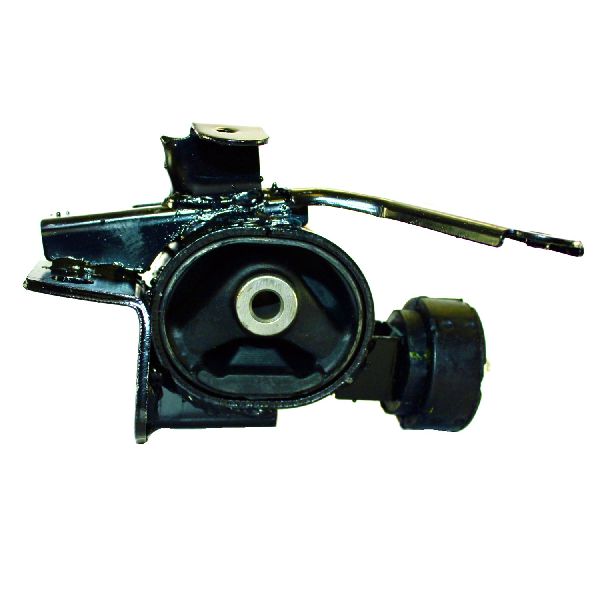
OEM Part Numbers: 12371-0T040 12371-0T050 12372-0T060
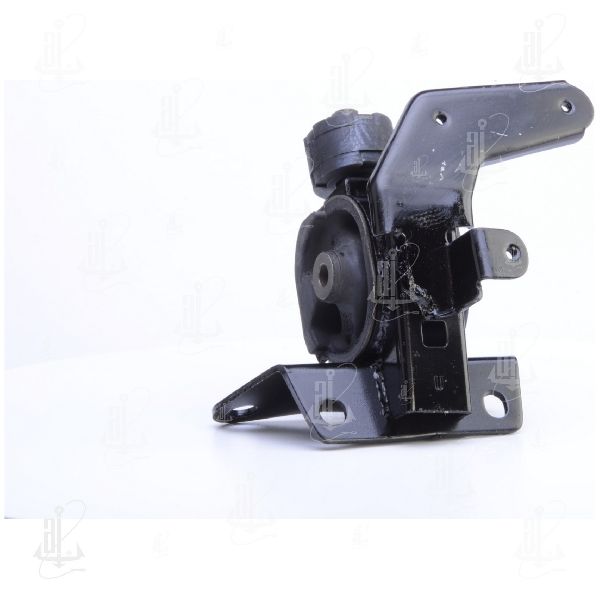
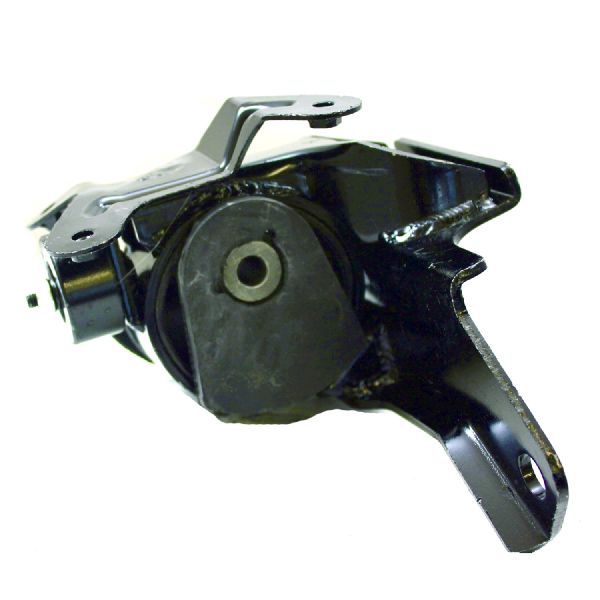
The 2009-2013 Corolla uses a system of several mounts to secure the 1.8L engine and 4-speed automatic transmission. The transmission mount is located on the driver's side of the engine bay. There are also mounts on the passenger side and a rear torque strut (dog bone) mount.
We Have This Part in Stock

The information in this article is provided for general reference and educational purposes only. Vehicle specifications, procedures, and part compatibility can vary by production date, trim level, and region. Always consult your vehicle's factory service manual and verify part numbers before purchasing or performing repairs. Safety-critical components such as airbags, seat belts, and braking systems should be installed by a qualified professional.
- Toyota Corolla: