

A Guide to the Turbocharger Boost Sensor for the 2009-2014 BMW Z4
Is your turbocharged Z4 feeling sluggish or showing a check engine light? The boost sensor could be the problem.
- A failing boost sensor will cause a check engine light, poor acceleration, and rough running.
- The part is easy to replace for a DIYer and is typically located on the charge pipe or intake manifold.
- Your Z4 has two pressure sensors; confirm which one is faulty before ordering a replacement.
- Quality aftermarket brands like Standard Ignition and Walker Products offer a reliable alternative to more expensive OEM parts.
Is Your BMW Z4 Boost Sensor Failing?
When the turbocharger boost sensor starts to fail, it sends incorrect information to your car's computer. This can cause a variety of noticeable problems. Because this sensor is vital for controlling the air-fuel mixture and turbo operation, a bad sensor can make your car run poorly and, in some cases, cause further damage if ignored.
Key Symptoms of a Bad Boost Sensor
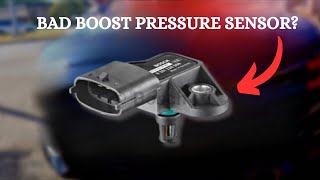
🎬 Watch: Common symptoms of a failing turbo boost sensor.- Check Engine Light: This is often the first sign. The computer will store fault codes like P0236, P0237, or P0238.
- Loss of Power: Your Z4 may feel noticeably slower and sluggish during acceleration. The car might go into a reduced-power "limp mode" to protect the engine.
- Rough Idle: The engine may idle unevenly or roughly.
- Poor Fuel Economy: A faulty sensor can cause the engine to use more fuel than necessary.
- Engine Surging or Hesitation: You might feel the car surge or hesitate as you accelerate.
Don't Ignore the Signs
Driving for an extended period with a faulty boost sensor is not recommended. An incorrect reading can lead to a poor air-fuel mixture, which may cause engine knocking, misfires, or even damage to the catalytic converter over time.
Choosing the Right Aftermarket Boost Sensor
When replacing the boost sensor on your 2009-2014 Z4, you have several options. The original part is typically made by a supplier like Bosch. While OEM is always a safe bet, quality aftermarket parts can offer reliable performance for a lower price.
Brand Tiers for Your Z4
- Premium Aftermarket (e.g., Standard Ignition, Walker Products): Brands like Standard Motor Products (SMP) and Walker Products are well-known in the aftermarket industry. They manufacture parts to meet or exceed original specifications and perform extensive testing. These brands provide a good balance of quality and value, making them a smart choice for most owners.
- Budget Aftermarket (e.g., Replacement): These are the most affordable options and can get your car back on the road. However, the long-term durability and accuracy may not match that of a premium aftermarket or OEM part. They are best suited for short-term needs or if budget is the primary concern.
Pro Tip: Check Your Engine
The 2009-2014 Z4 came with different engines, primarily the N54 (sDrive35i) and N20 (sDrive28i). These engines have two pressure sensors, one on the charge pipe and one on the intake manifold. Before ordering, confirm which sensor has failed and verify the part's location on your specific engine to ensure you buy the correct one.
Cost to Replace the Turbocharger Boost Sensor
| Part or Service | Estimated Cost |
|---|---|
| New OEM Sensor | $80 - $150 |
| New Aftermarket Sensor | $30 - $110 |
| Shop Labor | $60 - $120 |
| Total (DIY Aftermarket) | $30 - $110 |
| Total (Shop-Installed Aftermarket) | $90 - $230 |
Cost estimates are approximate and can vary based on location, vehicle specifics, and part brand.
Frequently Asked Questions
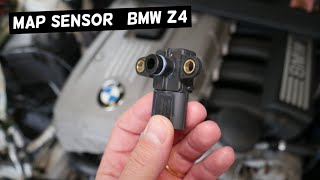
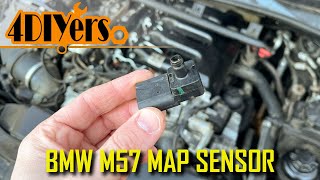
Where is the boost sensor located on the 2009-2014 BMW Z4? 🎬 See this video for the exact MAP sensor location.
Your Z4 has two pressure sensors. The main boost pressure sensor is typically located on the charge pipe, which is the plastic or metal tube running from the intercooler to the throttle body. A second sensor is located on the intake manifold itself. Both are usually held in place by one or two small bolts and are relatively easy to access.
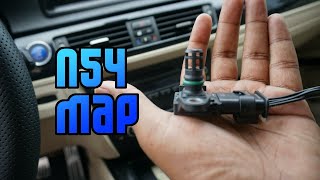
Can I clean the boost sensor instead of replacing it? 🎬 Watch: How to clean or replace your BMW boost sensor.
Sometimes, the sensor can be clogged with oil or carbon buildup. You can try cleaning it with a dedicated mass air flow or electronics cleaner. Gently spray the sensor element and let it dry completely. While this can sometimes restore function, it is often a temporary fix. If the sensor's internal electronics have failed, replacement is the only solution.
Is this a difficult part to replace myself?
No, for most DIYers, this is a straightforward job. It typically requires basic hand tools like a Torx or Allen socket set. You simply unplug the electrical connector, remove one or two bolts, and carefully pull the old sensor out. The entire process usually takes less than 30 minutes.
Is a boost sensor the same as a MAP sensor?
Yes, the terms are often used interchangeably. A MAP (Manifold Absolute Pressure) sensor measures pressure inside the intake manifold. In a turbocharged car like the Z4, this pressure is the "boost" created by the turbo, so it is also called a boost sensor.
Helpful Videos
Technical Specifications
OEM Part Numbers: 13627585493 13627599042 13629797773
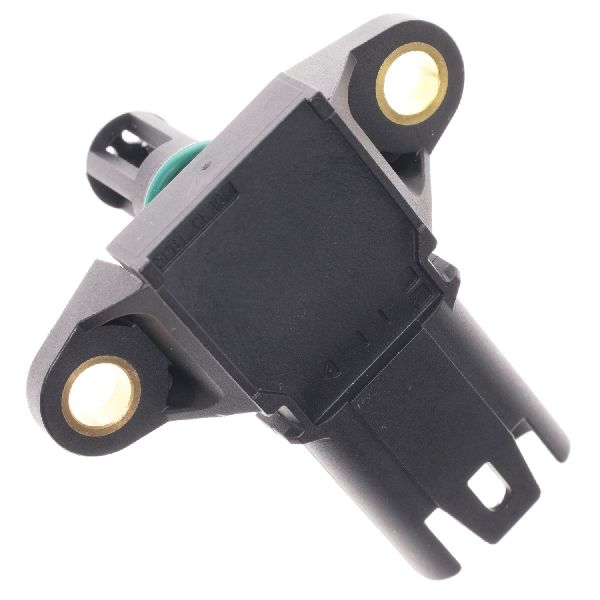
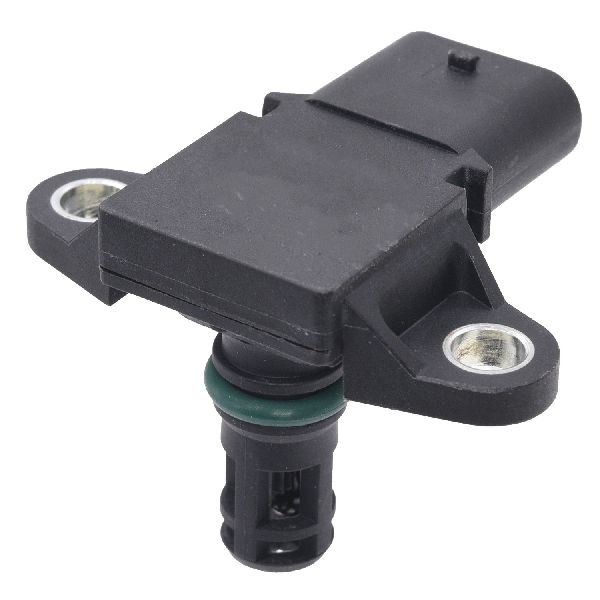
The Turbocharger Boost Sensor, or MAP sensor, for the E89 Z4 is a 3 or 4-pin electronic sensor that measures pressure in the intake system. It is crucial for vehicles with either the N20 4-cylinder or N54 6-cylinder turbocharged engines.
We Have This Part in Stock


The information in this article is provided for general reference and educational purposes only. Vehicle specifications, procedures, and part compatibility can vary by production date, trim level, and region. Always consult your vehicle's factory service manual and verify part numbers before purchasing or performing repairs. Safety-critical components such as airbags, seat belts, and braking systems should be installed by a qualified professional.
- BMW Z4:
- 🎬 Helpful Videos
- 🛍️ Shop This Part
- Is Your BMW Z4 Boost Sensor Failing?
- Key Symptoms of a Bad Boost Sensor
- Don't Ignore the Signs
- Choosing the Right Aftermarket Boost Sensor
- Brand Tiers for Your Z4
- Pro Tip: Check Your Engine
- Cost to Replace the Turbocharger Boost Sensor
- Frequently Asked Questions
- 🎟️ Get 5% Off