

Choosing the Right Brake Pads for Your 2009-2014 Chevrolet Express 1500
Stop safely and effectively by selecting the correct aftermarket brake pads for your van's specific needs.
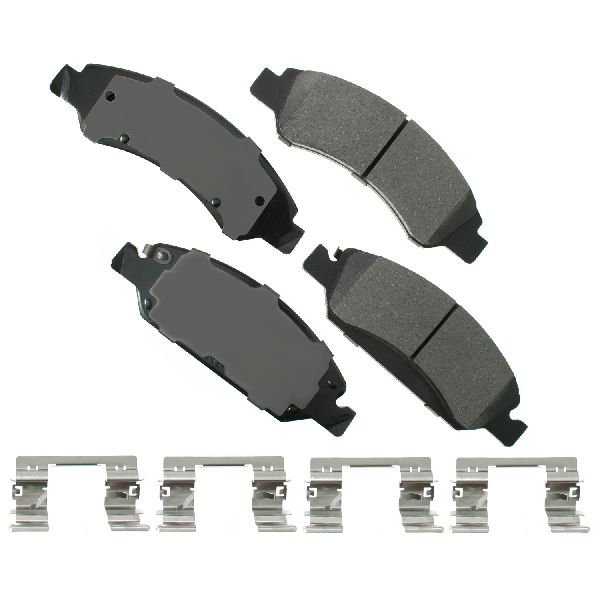
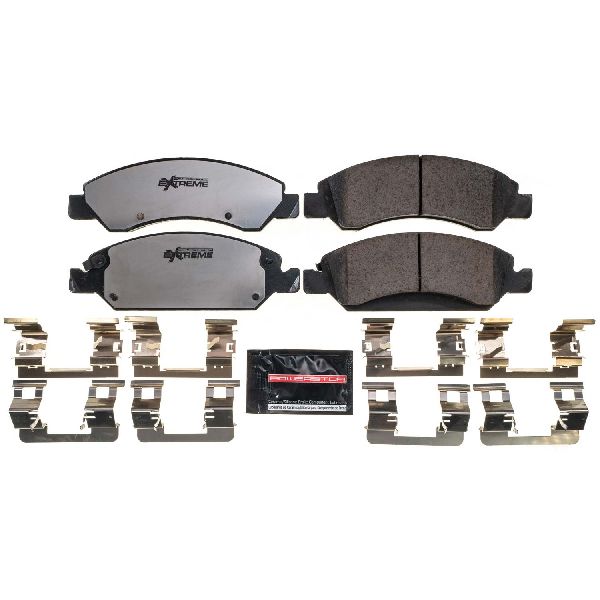
- For heavy loads or towing, upgrade to a 'Heavy-Duty' or 'Truck & Tow' brake pad set from a brand like Powerstop or Hawk for better heat resistance and stopping power.
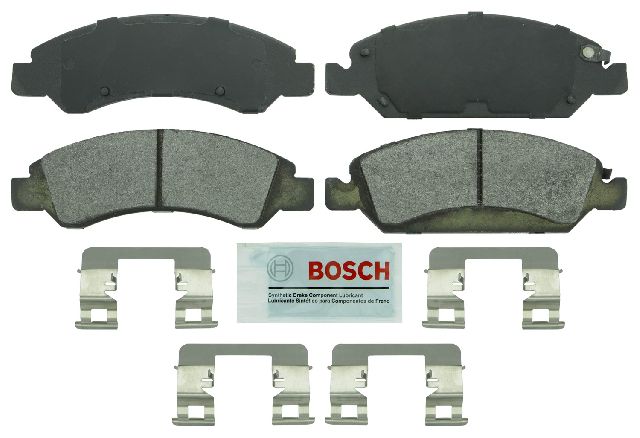
- For general daily driving, an OEM-quality ceramic pad from brands like Bosch, Wagner, or Raybestos will provide quiet, low-dust performance.
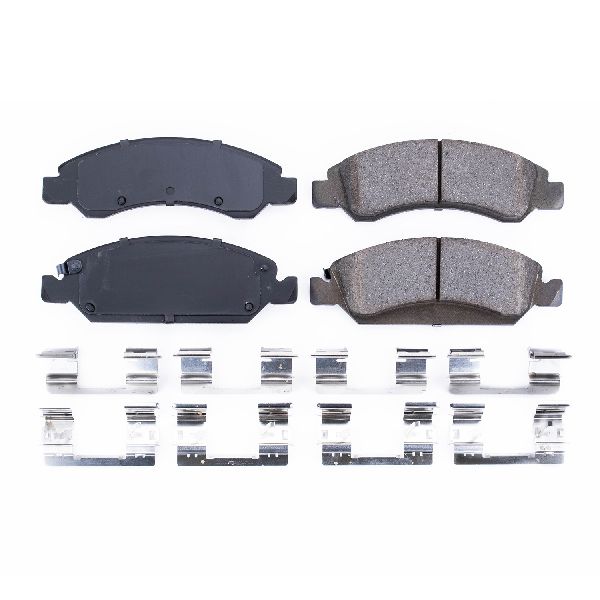
- Always replace the brake hardware (clips and springs) that comes with your new pads to prevent noise and ensure even wear.
- It is strongly recommended to replace your brake rotors at the same time as your pads for the best performance and safety on a heavy van.
Symptoms of Worn Brake Pads
When your brake pads are nearing the end of their life, your van will give you several warning signs. Ignoring them can lead to more expensive repairs and unsafe driving conditions.
- Squealing or Screeching Noises: Most brake pads have a small metal tab called a wear indicator. When the pad material wears down, this tab contacts the rotor and makes a high-pitched squeal when you brake. This is the earliest sign that you need new pads.
- Grinding Sounds: If you hear a deep, metallic grinding, it means the pad material is completely gone. The metal backing plate of the pad is now grinding against the rotor, causing significant damage and severely reducing stopping power.
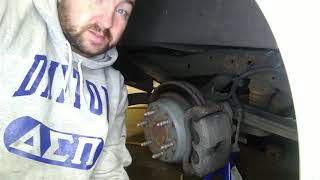
- Vibration or Pulsating in the Pedal: A shaking steering wheel or pulsating brake pedal when you brake often points to warped brake rotors, which can be caused by overheating from worn pads. One owner of a 2014 Express noted this vibration just before coming to a stop. 🎬 Watch this video to see a vibration diagnosis in action.
- Spongy or Soft Brake Pedal: If the brake pedal feels less responsive or goes closer to the floor, it could indicate issues within the brake system, sometimes related to worn pads or failing calipers.
- Van Pulling to One Side: If the vehicle pulls left or right during braking, it may be caused by a stuck brake caliper or unevenly worn pads. A seized caliper can cause pads on one wheel to wear out much faster than the other.
OEM vs. Aftermarket Quality
The original ACDelco brake pads on your Express 1500 are a reliable choice designed for general use. However, the aftermarket offers a wide range of options that can provide better performance, longer life, or a lower price, depending on your needs.
For a heavy vehicle like the Express 1500, especially if you use it for work, carry heavy loads, or tow, an aftermarket pad designed for trucks and SUVs can be a significant upgrade in stopping power and fade resistance. Brands like Powerstop, Hawk, and Raybestos offer heavy-duty lines specifically for these conditions.
Pro Tip: Ceramic vs. Semi-Metallic Pads
Ceramic pads are a great choice for daily driving. They are quiet, produce very little brake dust, and are gentle on your rotors. Semi-metallic pads offer stronger braking performance, especially under high heat from towing or descending steep hills. The trade-off is that they can be noisier and create more dust.
Choosing the Right Aftermarket Brake Pads
With over 100 different products available, picking the right one can be confusing. We can group them into three main tiers based on quality and intended use.
Tier 1: Economy Brands
These are the most affordable options, designed to get your van back on the road for the lowest cost. While functional, they may not last as long or be as quiet as higher-quality pads.
Brands: Pronto, Total Stopping Solutions, Dynamic Friction (some lines)
Tier 2: Daily Driver / OEM-Quality Brands
This is the sweet spot for most Express 1500 owners. These pads meet or exceed original equipment (OEM) standards for performance, noise, and lifespan. They are perfect for standard commuting and light-duty work.
Brands: ACDelco (Professional), Bosch (QuietCast), Wagner (OEX/ThermoQuiet), Raybestos (Element3), Centric (PQS)
Tier 3: Heavy-Duty & Performance Brands
If you use your Express van for towing, carry heavy cargo, or navigate hilly terrain, you need a brake pad that can handle the extra heat and stress. These pads use advanced friction materials for superior stopping power and fade resistance.
Brands: Powerstop (Z36 Truck & Tow), Hawk (LTS), EBC Brakes (Yellowstuff), Akebono (Performance)
Known Issues: Seized Calipers and Brake Noise
Some Express van owners have reported issues with seized or sticking brake calipers, leading to uneven pad wear and pulling. When replacing your pads, it's crucial to inspect the caliper slide pins to ensure they move freely. Clean and re-lubricate them as part of the job. While there are no official recalls for the brake pads on this vehicle, some GM Technical Service Bulletins (TSBs) for other models address brake squeal by recommending specific lubricants on pad abutments during installation.
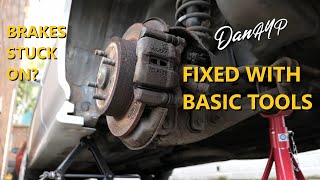
🎬 See how to identify and fix a seized brake caliper.Cost of Replacing Brake Pads on a 2009-2014 Express 1500
| Part/Service | Estimated Cost |
|---|---|
| Aftermarket Brake Pad Set (per axle) | $29.75 - $192.59 |
| OEM Brake Pad Set (per axle) | $180 - $250 |
| Shop Labor Cost (per axle) | $150 - $220 |
| Total Professional Replacement (Aftermarket, per axle) | $180 - $413 |
Frequently Asked Questions (FAQ)
Do I need to replace my rotors at the same time as my pads?
It is highly recommended. If your rotors are thin, warped (causing vibration), or have deep grooves, they must be replaced. Installing new pads on old, worn rotors will reduce braking performance and cause the new pads to wear out much faster. For a heavy vehicle like the Express, starting with fresh rotors and pads is the best practice.
What is brake hardware and why is it important?
Brake hardware includes the metal clips and springs that hold the brake pads in the caliper bracket. This hardware can rust and lose tension over time, causing noise and uneven wear. Most quality aftermarket pad sets include new hardware, and you should always use it.
How often should I replace the brake pads on my Express 1500?
There is no single answer, as it depends heavily on your driving style and use. A van used for light-duty commuting might go 50,000 miles or more, while a van used for heavy towing in a city might need new pads every 20,000-30,000 miles. Regular inspection is key. A general maintenance recommendation is to flush the brake fluid every 60,000 miles to maintain system health.
Can I replace the brake pads myself?
Yes, replacing brake pads is a common DIY job for those with mechanical experience. You will need a jack, jack stands, a set of metric sockets and wrenches (18mm or 19mm are common for GM calipers), and a dual-piston brake caliper compressor tool. Always follow proper safety procedures and consult a repair guide or video specific to your vehicle.
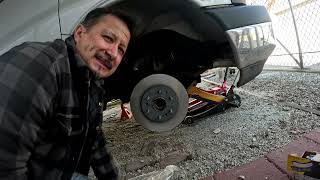
🎬 Follow this step-by-step walkthrough for replacing pads, rotors, and calipers.Helpful Videos

Technical Specifications
OEM Part Numbers: 14D1367CH
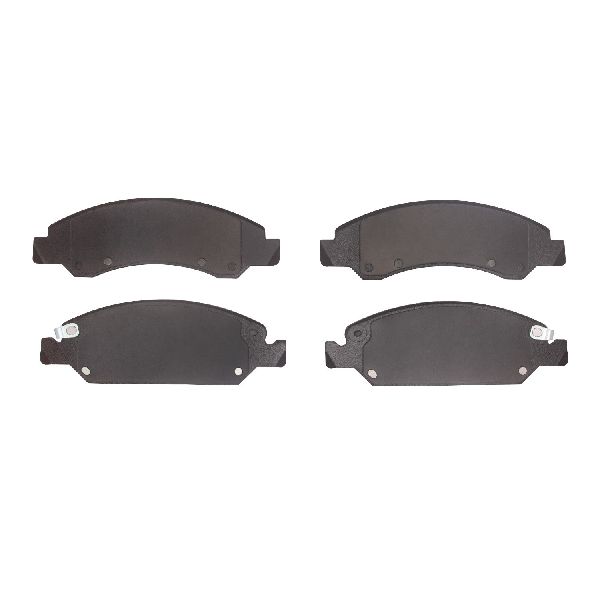
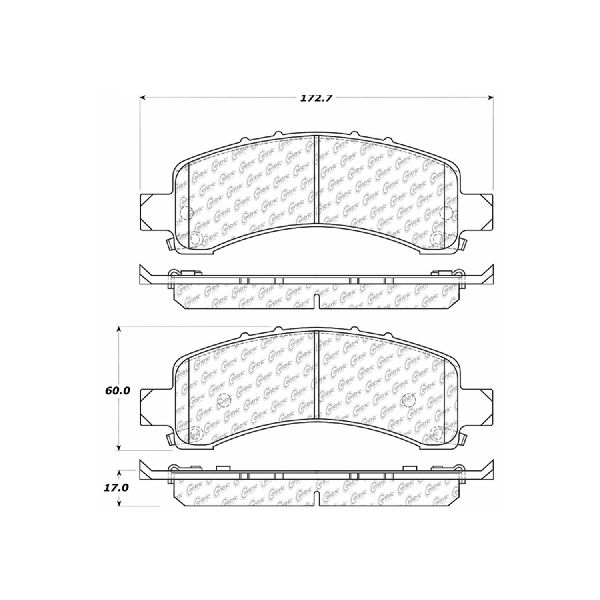
The 2009-2014 Chevrolet Express 1500 uses dual-piston front brake calipers. Brake pad sets should include new abutment hardware (clips). Some pads include an electronic wear sensor.
We Have This Part in Stock

The information in this article is provided for general reference and educational purposes only. Vehicle specifications, procedures, and part compatibility can vary by production date, trim level, and region. Always consult your vehicle's factory service manual and verify part numbers before purchasing or performing repairs. Safety-critical components such as airbags, seat belts, and braking systems should be installed by a qualified professional.
- Chevrolet Express 1500:
- 🎬 Helpful Videos
- 🛍️ Shop This Part
- Symptoms of Worn Brake Pads
- OEM vs. Aftermarket Quality
- Pro Tip: Ceramic vs. Semi-Metallic Pads
- Choosing the Right Aftermarket Brake Pads
- Tier 1: Economy Brands
- Tier 2: Daily Driver / OEM-Quality Brands
- Tier 3: Heavy-Duty & Performance Brands
- Known Issues: Seized Calipers and Brake Noise
- Cost of Replacing Brake Pads on a 2009-2014 Express 1500
- Frequently Asked Questions (FAQ)
- 🎟️ Get 5% Off