

Fixing Front End Clunks on Your 2009-2014 Chevrolet Impala Stabilizer Bushing Guide
Tired of that clunking noise over every bump? Your stabilizer bar bushings are a likely cause.
- A clunking noise from the front end over bumps is the primary symptom of bad stabilizer bar bushings on the Impala.
- The replacement is a simple DIY job on 2009-2013 models, but much harder on the new-for-2014 model, which may require lowering the subframe.
- Premium aftermarket brands like Moog and Delphi offer excellent durability, while Mevotech and Dorman provide good value.
- Always replace bushings in pairs and inspect the sway bar end links at the same time, as they can cause similar noises.
Is Your Impala Making a Clunking Noise?
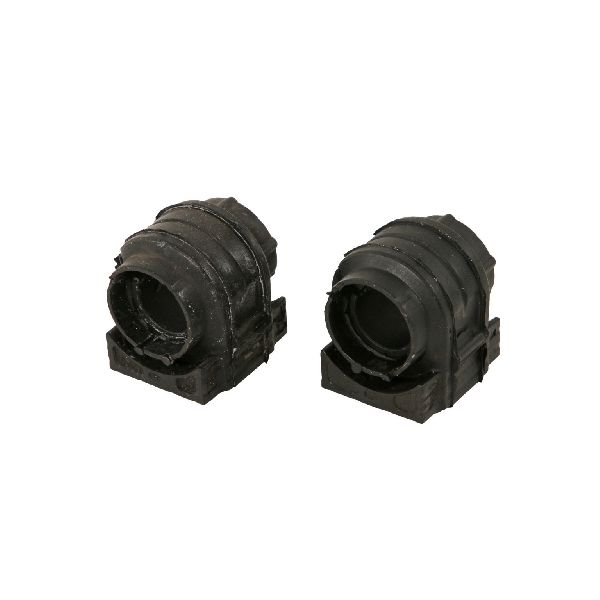
One of the most common complaints from owners of the 2009-2014 Chevrolet Impala is a persistent clunking, knocking, or rattling sound from the front suspension. This noise is especially noticeable when driving over bumps, uneven pavement, or into driveways. While several parts can cause suspension noise, worn stabilizer bar bushings are a frequent and inexpensive culprit. When these bushings wear out, they become hard, shrink, or get loose, allowing the metal stabilizer bar to move and knock against the vehicle's frame.
Other signs of bad bushings include a 'loose' feeling in the steering, excessive body lean in corners, and a general sense of instability.
Important: 2014 Model Year is Different
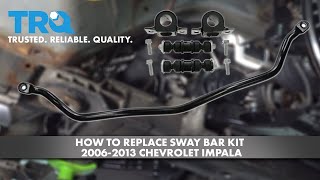
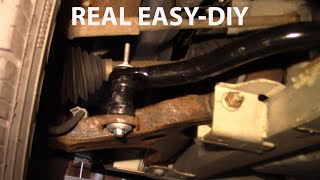
The 2009-2014 year range covers two different generations of the Impala. The 2009-2013 models (and 2014 "Limited" models) are part of the 9th generation. For these cars, replacing the front stabilizer bushings is a relatively simple job. 🎬 See this step-by-step walkthrough for replacing your sway bar kit. However, the all-new 2014 model (10th generation) has a different front subframe. On these newer 2014 models, replacing the front bushings may require lowering the subframe, making it a much more difficult and expensive job. Always verify which model you have before ordering parts or attempting a repair.
Choosing the Right Aftermarket Bushing Kit
You don't need to buy expensive OEM parts for this repair. Aftermarket brands offer excellent quality, often with improvements over the original design. They are generally grouped into a few quality tiers.
Premium Brands: ($25 - $42)
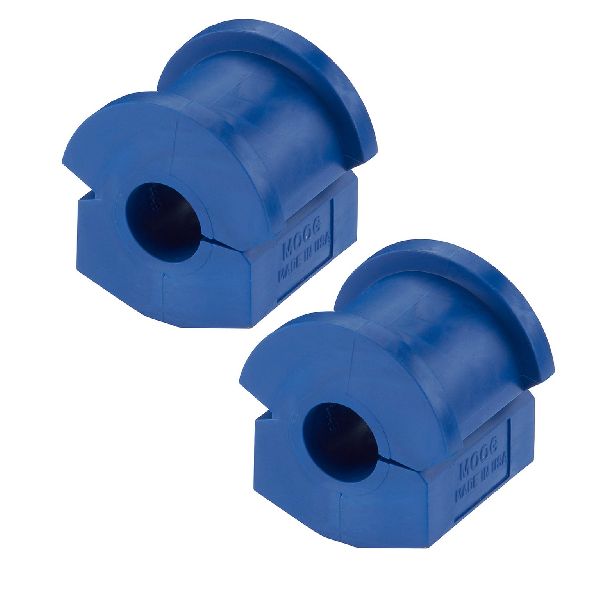
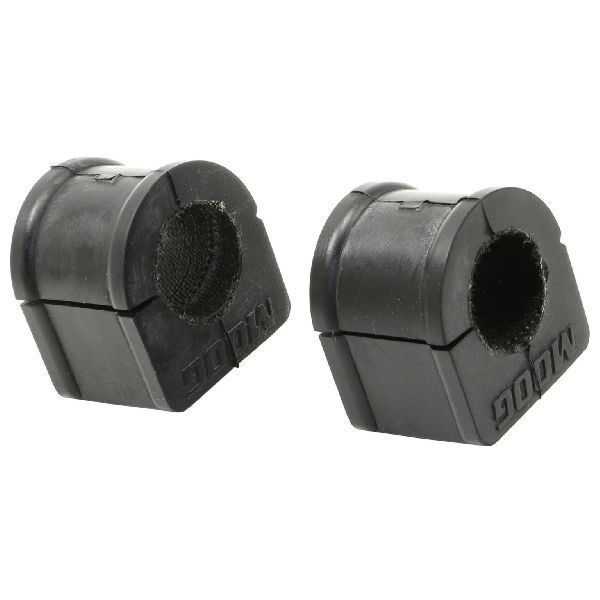
- Moog: Often seen as a top-tier aftermarket brand, Moog parts are known for their "Problem Solver" designs that aim to improve on OEM weaknesses. They use high-quality materials for long life and quiet operation. While some forum users feel the brand's overall quality has declined, they remain a top choice for many professional mechanics.
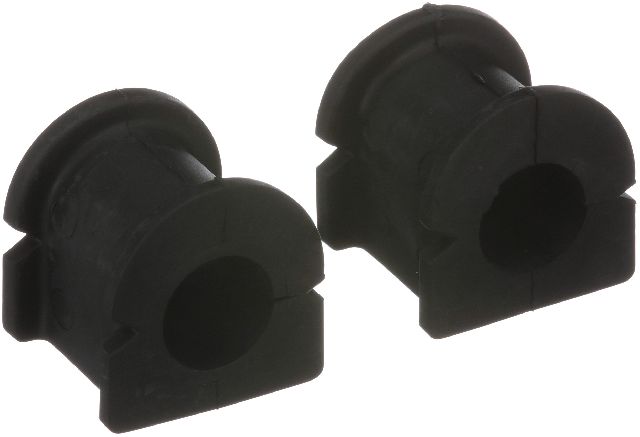
- Delphi: A major OE supplier, Delphi's aftermarket parts are built to the same high standards. They perform extreme temperature and salt spray testing to ensure durability. Choosing Delphi is like getting OE quality, often for less money.
Value-Focused Brands: ($12 - $25)
- Mevotech: Mevotech is a popular brand that offers a good balance of quality and price. Their "Supreme" line is considered near-OEM quality, while their standard parts provide a reliable, budget-friendly option for daily driving.
- Dorman: Dorman specializes in providing affordable replacements for a huge variety of parts. Their stabilizer bar bushings are a cost-effective solution that fits and performs like the original for average driving conditions.
- QuickSteer: This brand typically falls into the budget-friendly category, providing a low-cost option for repair.
Cost of Stabilizer Bar Bushing Replacement (2009-2014 Impala)
| Part/Service | Estimated Cost |
|---|---|
| New Aftermarket Bushing Kit | $12 - $42 |
| Shop Labor (2009-2013 models) | $100 - $200 |
| Shop Labor (2014 new model) | $300 - $500+ (due to subframe work) |
Pro Tip: Check Your Sway Bar Links
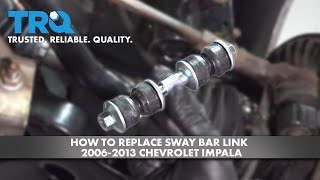
The stabilizer bar is connected to your suspension by "sway bar links." These links also have bushings that can wear out and cause a similar clunking noise. Since you are already working in the area, inspect the links for torn rubber boots or excessive play. It is often a good idea to replace the links and the frame bushings at the same time for a complete and quiet repair.
🎬 Watch: How to replace the sway bar links on your Impala.Frequently Asked Questions
Are there any recalls for this issue on my Impala?
No, there are no specific recalls for the stabilizer bar bushings on the 2009-2014 Chevrolet Impala. There was a recall for front lower control arms on Impala police vehicles and some steering-related recalls on the 2014 model, but these do not cover the standard stabilizer bushings.
Do I need to use grease on the new bushings?
Yes, it is highly recommended to apply a silicone-based, waterproof grease to the inside of the new bushings where they contact the metal sway bar. This prevents squeaking noises and helps the bushing last longer. Some kits come with a small packet of grease.
Should I replace bushings in pairs?
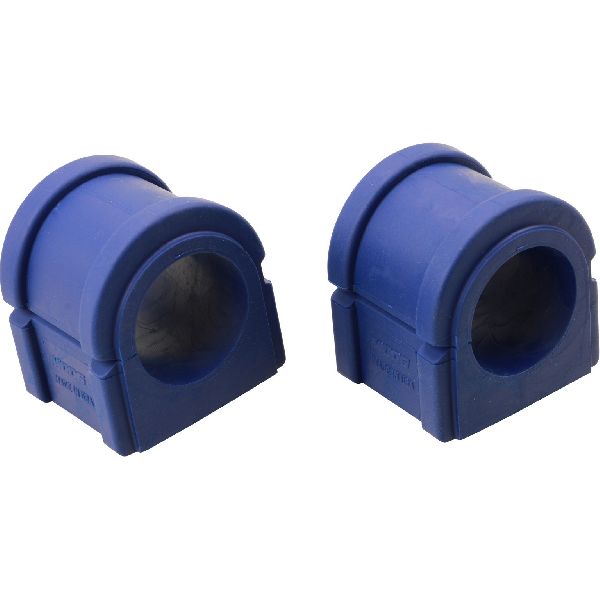
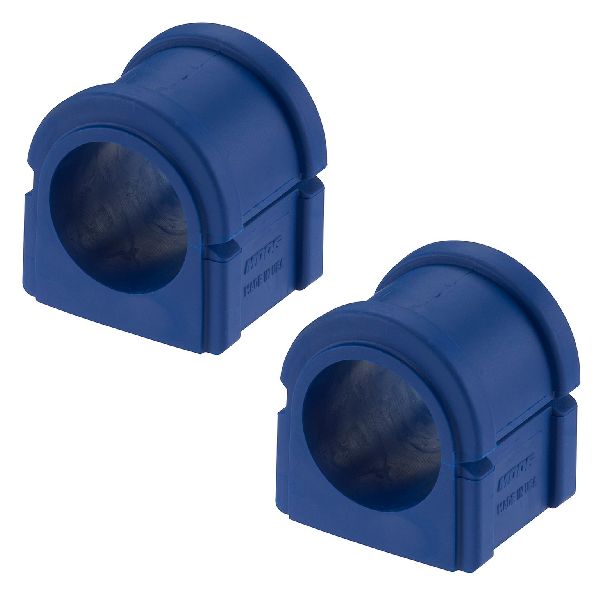
Yes, absolutely. Bushings should always be replaced in pairs (left and right) to ensure even handling and performance. Aftermarket kits are almost always sold with two bushings.
What's the difference between front and rear bushings?
The front and rear stabilizer bars on your Impala have different diameters, so the bushings are not interchangeable. The front bushings handle more stress and are the most common source of clunking noises. Ensure you are ordering the correct bushings for the front of your vehicle.
Helpful Videos
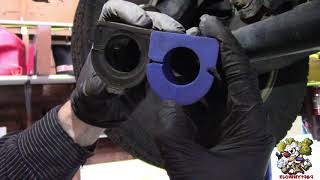
Technical Specifications
Bushings are specific to the stabilizer bar diameter. The 2009-2014 Impala used several different bar sizes depending on the model (Base, LT, LTZ, Police) and year. Always verify the correct diameter before ordering.
We Have This Part in Stock

The information in this article is provided for general reference and educational purposes only. Vehicle specifications, procedures, and part compatibility can vary by production date, trim level, and region. Always consult your vehicle's factory service manual and verify part numbers before purchasing or performing repairs. Safety-critical components such as airbags, seat belts, and braking systems should be installed by a qualified professional.
- Chevrolet Impala:
- 🎬 Helpful Videos
- 🛍️ Shop This Part
- Is Your Impala Making a Clunking Noise?
- Important: 2014 Model Year is Different
- Choosing the Right Aftermarket Bushing Kit
- Premium Brands: ($25 - $42)
- Value-Focused Brands: ($12 - $25)
- Cost of Stabilizer Bar Bushing Replacement (2009-2014 Impala)
- Pro Tip: Check Your Sway Bar Links
- Frequently Asked Questions
- 🎟️ Get 5% Off