

Guide to the Mass Air Flow Sensor for the 2009-2014 Mazda 6
Experiencing rough idling or poor acceleration? Your Mass Air Flow sensor might be the culprit.
- Always try cleaning the MAF sensor with dedicated cleaner before replacing it; it's a cheap and often effective fix.
- Replacement is extremely easy and requires only a Phillips screwdriver, making it a great DIY job that takes less than 10 minutes.
- For best results, choose an OEM-quality aftermarket brand like Denso or Hitachi to avoid performance issues with cheaper alternatives.
- A faulty MAF sensor is a primary cause of a P0101 trouble code, rough idle, and poor acceleration in the 2009-2014 Mazda 6.
Is Your Mazda 6 Running Rough? It Could Be the MAF Sensor

If your 2009-2014 Mazda 6 is hesitating, getting poor gas mileage, or has a Check Engine Light on, a faulty Mass Air Flow (MAF) sensor is a common suspect. This sensor is vital for engine performance, and when it fails, it can cause a variety of noticeable problems. Fortunately, it's one of the easier parts to diagnose and replace for both the 2.5L and 3.7L engines.
Symptoms of a Failing MAF Sensor

A dirty or failing MAF sensor can't accurately measure the air entering your engine. This sends bad data to the car's computer, leading to several issues:
- Check Engine Light: A common code triggered is P0101, which indicates a problem with the MAF sensor's performance or range. Other related codes may appear, sometimes pointing to a lean or rich fuel mixture.
- Rough Idle: The engine may shudder or idle unevenly because the fuel mixture is incorrect.
- Poor Acceleration and Power Loss: The car may feel sluggish, hesitate, or bog down when you press the gas pedal. 🎬 See how a faulty sensor causes power loss during acceleration.
- Bad Fuel Economy: An incorrect air-fuel ratio means your engine isn't running efficiently, leading to more trips to the gas station.
- Stalling: In more severe cases, the engine may stall shortly after starting or when idling.
First Step: Try Cleaning It
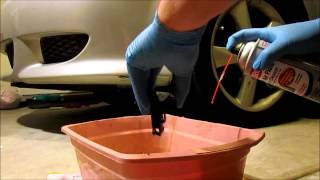
🎬 Watch this guide on clearing a P0101 code by cleaning the sensor.Before you buy a new sensor, a common first step is to clean the existing one. Oil from aftermarket air filters or general grime can coat the delicate sensor wires. You can buy a specific MAF sensor cleaner spray at any auto parts store. Carefully remove the sensor, spray the wires and components as directed (do NOT touch them), and let it air dry completely before reinstalling. This simple step often restores performance and costs very little.
Choosing the Right Aftermarket MAF Sensor

If cleaning doesn't work, a replacement is necessary. When it comes to electronic sensors, quality matters. A cheap, poorly calibrated sensor can cause as many problems as a failed one. Forum users and mechanics strongly recommend sticking with brands known for quality electronics.
Here’s a breakdown of available aftermarket brands:
- OEM-Quality Tier (Recommended): Denso and Hitachi are often the original equipment manufacturers for Mazda and other Japanese automakers. Choosing one of these brands is the closest you can get to buying the part from a Mazda dealer without the high price tag. NGK and Delphi are also highly reputable OEM suppliers with a strong track record in sensor technology.
- Trusted Aftermarket Tier: Brands like Standard Ignition (SMP), Walker Products, and Spectra offer a good balance of quality and price. They are well-established in the aftermarket and are generally reliable choices.
- Budget Tier: Brands like DriveWire, Skyward, and other lesser-known names offer the lowest prices. While tempting, the quality can be inconsistent. For a critical sensor like the MAF, it's often worth spending a little more to avoid potential performance issues or a premature failure.
Pro Tip: Many Mazda owners on forums report that for critical sensors, buying an OEM or OEM-quality brand like Denso is worth the extra cost to ensure proper performance and avoid having to do the job twice.
Cost of Replacing a 2009-2014 Mazda 6 MAF Sensor
| Part Type | Estimated Cost |
|---|---|
| New Aftermarket | $43 - $264 |
| New OEM (Mazda Dealer) | $150 - $300 |
| Shop Labor | $50 - $100 |
Note: Costs are estimates and can vary based on brand, location, and vehicle engine (2.5L vs 3.7L). Labor costs are low because replacement is very quick.
Frequently Asked Questions (FAQ)

Where is the MAF sensor located on my Mazda 6?
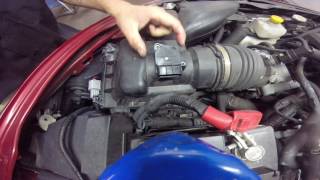
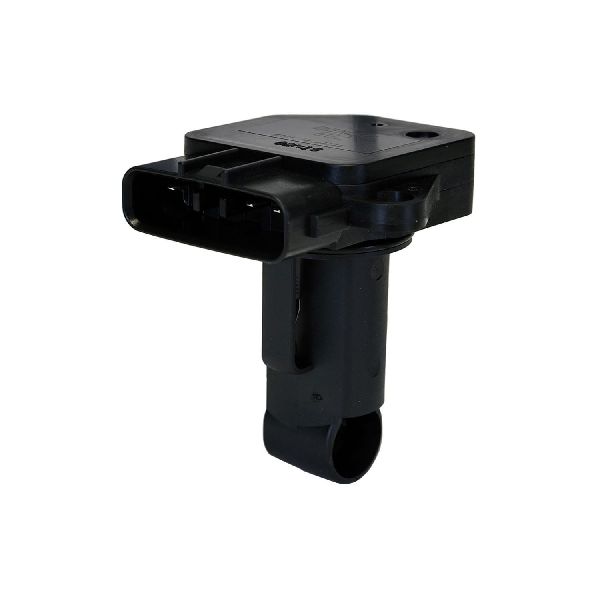
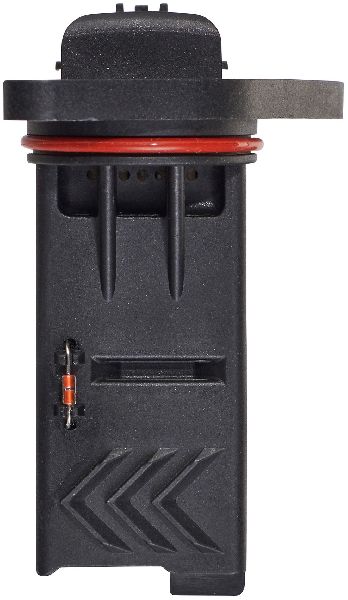
The MAF sensor is located on the engine's air intake duct, between the air filter box and the engine throttle body. It's a small black plastic part with an electrical connector and is held in place by two Phillips head screws.
Is this a difficult part to replace myself?
No, this is one of the easiest DIY repairs you can do. You only need a Phillips head screwdriver. The process involves unplugging a connector, removing two screws, swapping the sensor, and reinstalling. The entire job takes less than 10 minutes.
🎬 Follow this quick video tutorial to replace your Mazda 6 sensor.Are there any recalls for the MAF sensor on this car?
No, there are no specific recalls for the Mass Air Flow sensor on the 2009-2014 Mazda 6. Searches of the NHTSA database show recalls for other items like airbags and seat sensors for this generation, but not the MAF sensor.
Should I disconnect the battery to replace the MAF sensor?
It is a good practice to disconnect the negative battery terminal before working on any electrical components. After replacing the sensor, reconnecting the battery will also help reset the engine computer, which can allow it to properly adapt to the new sensor's readings.
Helpful Videos

Technical Specifications
OEM Part Numbers: L3K9-13-215 PE01-13-215 ZLY1-13-215 197400-5170
Located in the air intake tube after the air filter. Held in by two Phillips screws with a single electrical connector. The sensor element measures the mass of air flowing into the engine's intake manifold.
We Have This Part in Stock




The information in this article is provided for general reference and educational purposes only. Vehicle specifications, procedures, and part compatibility can vary by production date, trim level, and region. Always consult your vehicle's factory service manual and verify part numbers before purchasing or performing repairs. Safety-critical components such as airbags, seat belts, and braking systems should be installed by a qualified professional.
- Mazda 6: