

Nissan Altima ABS Wheel Speed Sensor Guide (2009-2014)
Understanding why your ABS and VDC lights are on and how to choose the right replacement sensor for your Altima.
- A bad ABS sensor is the most likely cause for the ABS, VDC, and SLIP lights on your 2009-2014 Altima.
- Use an ABS-capable OBD-II scanner to confirm which wheel sensor has failed before buying a new part.
- For best results, choose a premium aftermarket brand like NTK, Delphi, or Beck Arnley for this electronic part.
- You can drive with a bad sensor, but your anti-lock braking and traction control safety features will be disabled.
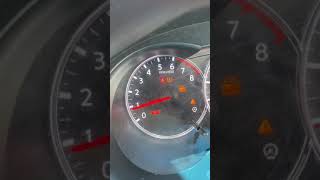
Is Your Altima's Dashboard Lit Up?
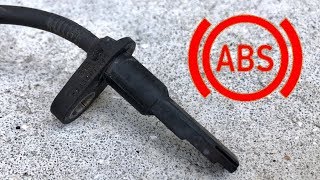
A common reason for the ABS, VDC Off, and SLIP lights to appear on the dashboard of a 2009-2014 Nissan Altima is a failing 🎬 Watch: See how these dashboard lights look when a sensor fails. ABS wheel speed sensor. These sensors live in a harsh environment at the wheels and can fail due to road debris, corrosion, or simple wear and tear. When a sensor fails, it sends incorrect data—or no data at all—to the car's main computer, which then disables these important safety systems as a precaution.
Symptoms of a Failing Altima ABS Sensor
- ABS Warning Light: This is the most common and immediate sign of a problem.
- VDC/Traction Control Light: Because the systems are linked, the light for Vehicle Dynamic Control (traction control) will also usually turn on.
- Braking Issues: In some cases, you might feel a pulsating brake pedal or notice it takes longer to stop.
- Loss of ABS and Traction Control: During a hard stop or on a slippery surface, your wheels may lock up, and the traction control will not function to prevent wheel spin.
Driving Without ABS
You can still drive your Altima with a bad ABS sensor, but your braking system will function like that of an older car without anti-lock brakes. This means your wheels can lock during an emergency stop, increasing the risk of skidding and losing steering control. It is recommended to get the sensor replaced promptly to restore these safety features.
Choosing the Right Aftermarket ABS Sensor
When replacing an ABS sensor on your Altima, you don't have to buy the expensive OEM part from the dealer. However, not all aftermarket brands are created equal. For critical electronic parts like this, quality matters. Low-quality sensors are known to fail prematurely or be dead-on-arrival.
Brand Quality Tiers for Your Altima
- Premium Aftermarket (Recommended): Brands like NTK (NGK), Delphi, and Beck Arnley are often considered to be at or near OEM quality. NTK is a well-regarded OE supplier for many Japanese vehicles, and Beck Arnley often repackages OEM parts. These are your best bet for a reliable, long-lasting repair.
- Quality Aftermarket: Brands like Standard Ignition (SMP) and Dorman offer a balance of value and quality. They are generally reliable, though some user experiences vary. Dorman is a popular choice that often matches the original design.
- Budget-Friendly: Brands like True Tech, Walker Products, and others in the lower price range can be a gamble. While they may work, they might have a shorter lifespan or less precise readings. They are best considered for a temporary fix or if budget is the primary concern.
Pro Tip: Diagnose Before You Buy
Before ordering a part, use an OBD-II scanner that can read ABS codes. This will tell you exactly which wheel sensor is failing (e.g., C1101 for Right Rear Sensor 1). Sometimes, the issue is just a dirty sensor or damaged wiring, not the sensor itself. Cleaning the sensor and checking the connector can sometimes solve the problem without needing a new part.
Cost of Replacing an Altima ABS Sensor
| Part Type | Estimated Cost |
|---|---|
| New Aftermarket ABS Sensor | $35 - $333 |
| New OEM ABS Sensor | $250 - $400 |
| Shop Labor | $100 - $150 |
Costs are estimates and can vary based on location and specific part.
Frequently Asked Questions
Can I replace just one ABS sensor?
Yes. You only need to replace the specific sensor that has failed. An ABS-capable OBD-II scanner will identify which wheel's sensor is faulty.
Is it hard to replace an Altima ABS sensor yourself?
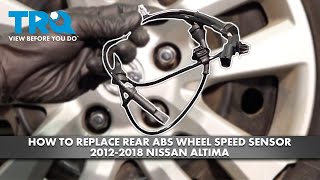
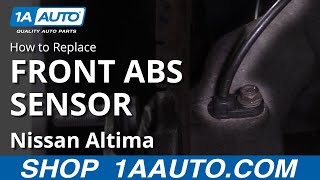
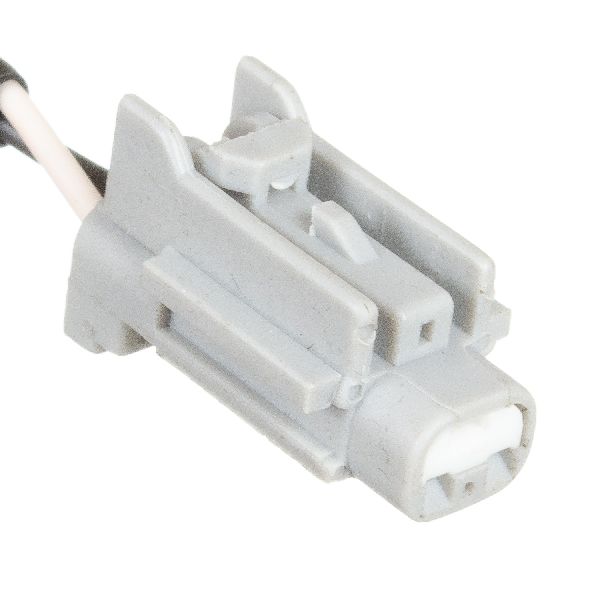
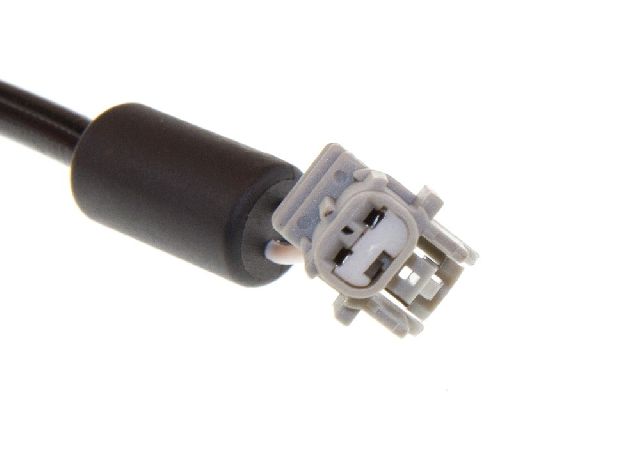
No, it's a relatively easy job for a DIYer. It typically involves removing the wheel, locating the sensor on the wheel hub, undoing one bolt, and disconnecting the electrical plug. The most difficult part can be routing the new wire correctly and dealing with rust on the bolt. 🎬 Follow this step-by-step guide to replace your rear ABS sensor. The job usually takes less than an hour per wheel.
Do I need to reset the ABS light after replacement?
Often, the ABS light will turn off on its own after driving a short distance once the new sensor is installed. If it doesn't, the fault codes may need to be cleared with an OBD-II scanner.
Are there any recalls for the 2009-2014 Altima ABS sensor?
No, there are no specific recalls for the ABS wheel speed sensors on the 2009-2014 Nissan Altima. There was a recall related to the ABS actuator on some other Nissan models, but not specifically for the sensor on this Altima generation.
What are the common fault codes for a bad sensor?
Nissan Technical Service Bulletin NTB10-102a lists common codes as C1101 through C1108, which correspond to different wheel sensors. For example, a YouTube video on a 2014 Altima showed codes C1101 and C1105 for a faulty right rear sensor.
Helpful Videos
Technical Specifications
OEM Part Numbers: 47900-9N00A
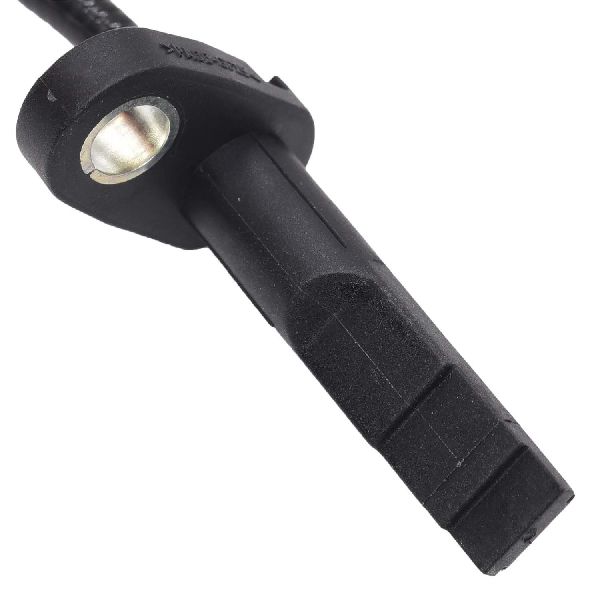
The 2009-2014 Nissan Altima uses active ABS sensors, which provide accurate readings even at low speeds. Each sensor is specific to a wheel location (Front Left, Front Right, Rear Left, Rear Right) primarily due to wire length and mounting configuration.
We Have This Part in Stock


The information in this article is provided for general reference and educational purposes only. Vehicle specifications, procedures, and part compatibility can vary by production date, trim level, and region. Always consult your vehicle's factory service manual and verify part numbers before purchasing or performing repairs. Safety-critical components such as airbags, seat belts, and braking systems should be installed by a qualified professional.
- Nissan Altima:
- 🎬 Helpful Videos
- 🛍️ Shop This Part
- Is Your Altima's Dashboard Lit Up?
- Symptoms of a Failing Altima ABS Sensor
- Driving Without ABS
- Choosing the Right Aftermarket ABS Sensor
- Brand Quality Tiers for Your Altima
- Pro Tip: Diagnose Before You Buy
- Cost of Replacing an Altima ABS Sensor
- Frequently Asked Questions
- 🎟️ Get 5% Off