

Toyota Corolla Ignition Coil Guide: 2009-2014 Models
If your Corolla is running rough or the check engine light is on, a bad ignition coil could be the problem.
- A bad ignition coil will cause a misfire, rough idle, and turn on the check engine light with codes P0301-P0304.
- Replacement is very easy and can be done at home in under 30 minutes with a 10mm socket.
- Denso and NGK are the most recommended aftermarket brands for a Toyota, offering OEM-like quality.
- Do not continue driving with a severe misfire (flashing check engine light) as it can cause expensive catalytic converter damage.
Understanding Ignition Coil Failure in Your Corolla

Ignition coils in the 2009-2014 Toyota Corolla are generally reliable, but they can fail over time. A failing coil means one of your engine's cylinders isn't firing correctly, a condition known as a "misfire." This can cause a range of noticeable symptoms, from a rough idle to a significant loss of power. Ignoring a bad coil can lead to more serious problems, including damage to your catalytic converter, which is an expensive repair. Fortunately, replacing a coil on this generation of Corolla is a straightforward job that many owners can do themselves.
Choosing the Right Aftermarket Ignition Coil

When replacing an ignition coil, you have a choice between Original Equipment (OEM) and a wide variety of aftermarket brands. For the 2009-2014 Corolla, the original coils were made by Denso. While you can purchase a Denso-branded coil from an auto parts store, it's important to know that it may not be identical to the part you'd get from a Toyota dealership, though quality is generally very high.
Aftermarket coils can be grouped into quality tiers:
- OEM-Supplier & Premium Brands (e.g., Denso, NGK, Delphi, Bosch): These brands are known for high-quality manufacturing and are often the original suppliers for many carmakers. Denso and NGK are highly recommended for Toyota vehicles and are considered top choices for reliability and performance that matches or exceeds the original part. Delphi and Bosch are also excellent, reputable brands.
- Mid-Tier Brands (e.g., Standard Ignition, Hitachi, Walker Products): These brands offer a good balance of quality and price. Standard Motor Products (SMP) has been a major aftermarket manufacturer for a long time, though quality can sometimes be inconsistent depending on the specific product line. Hitachi is a known OEM supplier for many Japanese vehicles and is a solid choice.
- Value Brands (e.g., DriveWire, Skyward, URO Parts, Global Parts): These brands are typically the most affordable. While they can be a good option for a tight budget, their long-term durability and performance may not match that of the higher-tier brands. For a critical component like an ignition coil, it's often worth spending a little more for a reputable brand to avoid future issues.
Pro Tip: Replace in Sets?
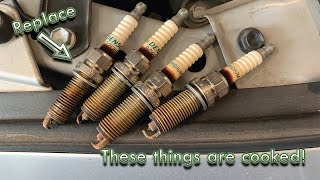
Ignition coils can be replaced one at a time as they fail. However, if one coil has failed due to age and high mileage, the others may not be far behind. If your budget allows, consider replacing all four coils at once for peace of mind, especially if your Corolla has over 100,000 miles. While you're at it, it's a great time to inspect and, if needed, replace your spark plugs.
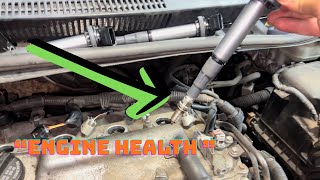
🎬 Watch this step-by-step guide to replacing your coils and plugs.Common Symptoms of a Failing Ignition Coil

A bad ignition coil will almost always trigger the Check Engine Light. If you have an OBD-II scanner, you can read the code to confirm the issue. Codes P0300 (random misfire) or P0301, P0302, P0303, P0304 (misfire on a specific cylinder) are common indicators of a coil problem.
| Symptom | Description |
|---|---|
| Check Engine Light | The most common sign. A code reader will point to a misfire (P0301-P0304). |
| Rough Idle & Shaking | The engine may vibrate or shake noticeably when the car is stopped. |
| Loss of Power | Your Corolla may feel sluggish and slow to accelerate. |
| Poor Fuel Economy | An inefficiently running engine will burn more gasoline. |
| Difficulty Starting | The engine may take longer than usual to start, or it may stall. |
Can I Drive with a Bad Ignition Coil?
It is not recommended. Driving with a misfiring engine can cause unburned fuel to enter the exhaust, potentially damaging the expensive catalytic converter. It's best to get the issue fixed as soon as possible.
Frequently Asked Questions (FAQ)

How difficult is it to replace a Corolla ignition coil?
It is a very easy job, perfect for beginners. The coils are located on top of the engine and held in by a single 10mm bolt. The only tools needed are a socket wrench and maybe a pair of pliers. The entire job for one coil can be done in 15-30 minutes.
🎬 See how easy it is to change your own ignition coils.Should I use dielectric grease when replacing my coil?
Yes, it's a good idea. Applying a small amount of dielectric grease to the inside of the new coil's boot helps to protect against moisture and makes it easier to remove the coil in the future.
What's the difference between the 1.8L and 2.4L engine coils?
The 2009-2014 Corolla was available with a 1.8L (2ZR-FE) engine in most trims and a 2.4L (2AZ-FE) engine in the XRS trim. These engines use different ignition coils. Make sure you purchase the correct part for your specific engine size.
Are there any recalls for the 2009-2014 Corolla ignition coils?
Based on searches of the National Highway Traffic Safety Administration (NHTSA) database, there are no specific recalls for ignition coil failure on the 2009-2014 Toyota Corolla.
Helpful Videos
Technical Specifications
OEM Part Numbers: 90919-02258 90919-02252 90919-A2001 90919-A2006 90919-02266
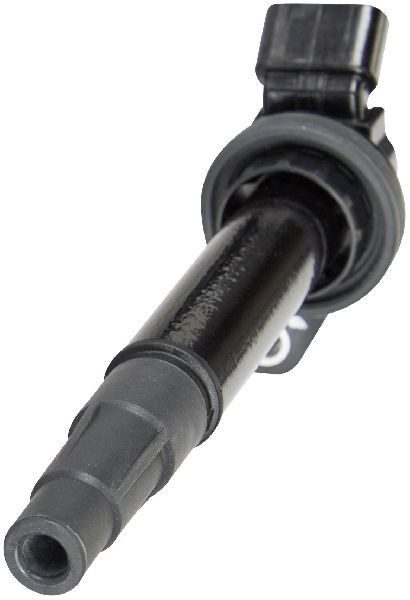
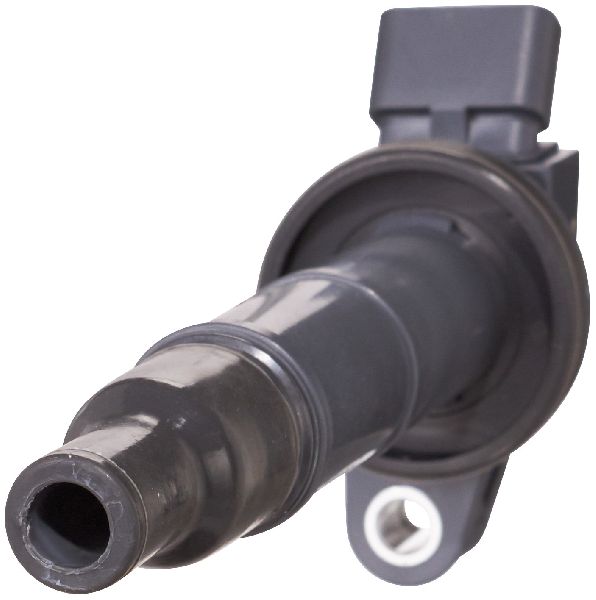
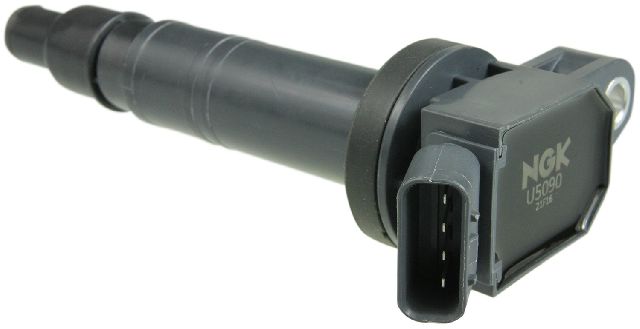
This vehicle uses a coil-on-plug ignition system. Each cylinder has its own individual ignition coil. The 1.8L (2ZR-FE) and 2.4L (2AZ-FE, XRS model) engines require different part numbers.
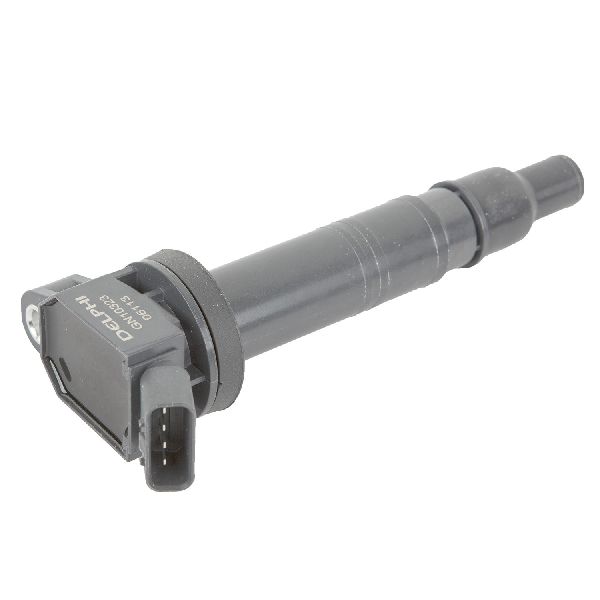
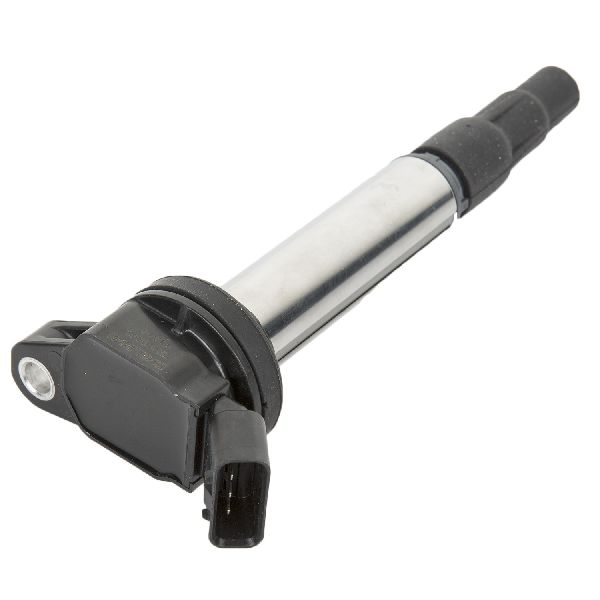
We Have This Part in Stock


The information in this article is provided for general reference and educational purposes only. Vehicle specifications, procedures, and part compatibility can vary by production date, trim level, and region. Always consult your vehicle's factory service manual and verify part numbers before purchasing or performing repairs. Safety-critical components such as airbags, seat belts, and braking systems should be installed by a qualified professional.
- Toyota Corolla: