

A Deep Dive into the 2009-2014 Toyota Corolla Radiator
Everything you need to know before replacing the radiator in your Toyota Corolla.
- A failing radiator will cause your engine to overheat, which can lead to catastrophic engine damage.
- For best results, choose an OEM-equivalent brand like Denso, Koyorad, or CSF.
- Always verify if your Corolla has a manual or automatic transmission before ordering, as the radiators are different.
- It is strongly recommended to replace the radiator cap, thermostat, and hoses at the same time as the radiator.
Signs of a Failing Radiator in Your Corolla

A failing radiator can't be ignored. If you let your engine overheat, it can cause major, expensive damage. Watch for these clear warning signs that your Corolla's radiator is going bad:
- Engine Temperature Gauge in the Red: The most obvious sign. If your dash temperature gauge is climbing into the 'H' zone, pull over safely as soon as possible.
- Visible Coolant Leaks: You may see puddles of bright green, pink, or orange fluid under the front of your car. This fluid has a distinct sweet smell.
- Steam from Under the Hood: If you see steam or vapor coming from the engine bay while driving or after stopping, it's a sign that hot coolant is escaping.
- Low Coolant Level: Constantly having to add coolant to the reservoir or directly to the radiator means you have a leak somewhere in the system.
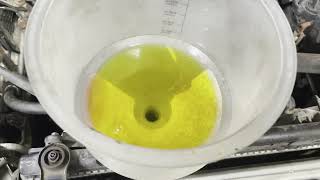
- Discolored or Sludgy Coolant: Coolant should be clean. If it looks rusty, brown, or thick, it can indicate internal corrosion in the radiator, which reduces its effectiveness.
Known Issues for the 2009-2014 Toyota Corolla

While this generation of the Corolla is very reliable, no car is perfect. The most common cooling system failures are not from a specific design flaw but from age and wear. The plastic end tanks on the original radiators can become brittle over time and develop cracks. Leaks are also common from aging hoses or the water pump. Some owners have also reported a plastic T-connector in the heater hoses becoming brittle and breaking, causing a major coolant leak. 🎬 Watch this video to see a common coolant leak diagnosis. There are no major recalls or Technical Service Bulletins (TSBs) from Toyota specifically for radiator failure on this model.
Choosing the Right Aftermarket Radiator

When replacing your radiator, you have a choice between OEM (Original Equipment Manufacturer) and aftermarket parts. For the 2009-2014 Corolla, many high-quality aftermarket options are available that can offer excellent performance and value.
Here’s a breakdown of the available brands:
- OEM-Equivalent (Top Tier): Denso is a well-known original equipment supplier for Toyota. Choosing a Denso aftermarket radiator is the closest you can get to the original part's quality and fit. Koyorad and CSF are also premium aftermarket brands known for excellent build quality and reliability, often meeting or exceeding OEM standards.
- Quality Aftermarket (Mid-Tier): Spectra is a popular brand that offers a good balance of price and quality. While generally considered reliable, some user reviews suggest they may not last as long as a premium or OEM part.
- Economy (Budget Tier): Brands like Global Parts (GPD), Onix, One Stop Solutions, and Reach Cooling fall into the budget-friendly category. These parts can be a good choice if the initial cost is your main concern, but they may not have the same long-term durability or precise fit as higher-tiered brands.
Pro Tip: Check the Transmission Type
When ordering, make sure the radiator matches your car's transmission. Models with an automatic transmission have a built-in cooler for the transmission fluid inside the radiator, which requires extra connections. Using the wrong radiator can lead to serious transmission damage.
Cost to Replace a 2009-2014 Toyota Corolla Radiator

The total cost depends on whether you do the job yourself or have a professional shop do it.
| Part / Service | Estimated Cost |
|---|---|
| New Aftermarket Radiator | $104 - $189 |
| New OEM Toyota Radiator | $225 - $350 |
| Professional Shop Labor | $300 - $450 |
| Total Professional Replacement (Aftermarket Part) | $404 - $639 |
Frequently Asked Questions

Should I replace my radiator cap and hoses at the same time?
Yes. It is highly recommended. The radiator cap holds pressure in the system, and an old cap might not seal properly on a new radiator. Hoses become soft and brittle with age and are much easier to replace while the system is already drained. It's cheap insurance against future leaks.
What type of coolant should I use in my 2009-2014 Corolla?
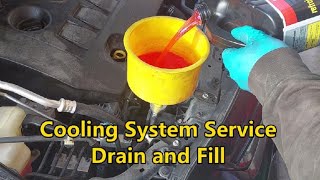
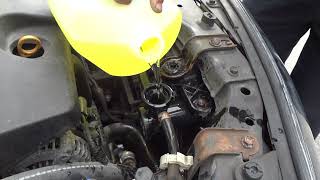
You should use Toyota Super Long Life Coolant (SLLC), which is a pink-colored fluid. This is a specific type of coolant designed for Toyota engines. Using the wrong type can cause corrosion and damage to the cooling system components.
Is replacing the radiator a DIY job?
For someone with some mechanical skill and the right tools, yes. The process involves draining the coolant, disconnecting hoses and electrical fan connectors, unbolting the old radiator, and installing the new one. However, it can be messy, and the cooling system must be properly refilled and bled of air to prevent overheating. 🎬 Watch: How to properly bleed air from your cooling system. If you are not comfortable with this, it's best to leave it to a professional.
🎬 See this step-by-step walkthrough for replacing the radiator yourself.What is the difference between a radiator for a manual vs. automatic transmission?
Radiators for automatic transmission Corollas have an extra, separate chamber inside one of the tanks to cool the transmission fluid. These radiators have two small extra ports for the transmission cooler lines. A manual transmission radiator does not have this feature. They are not interchangeable.
Helpful Videos
Technical Specifications
OEM Part Numbers: 16410-0T030 16410-22160 16410-0T040 16410-0T041 16410-0T042 16410-AZ009
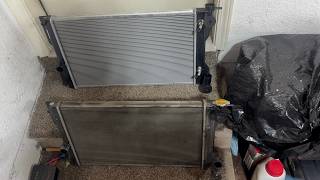
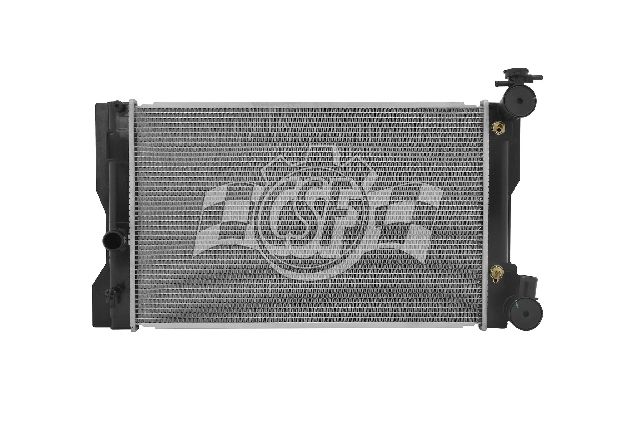
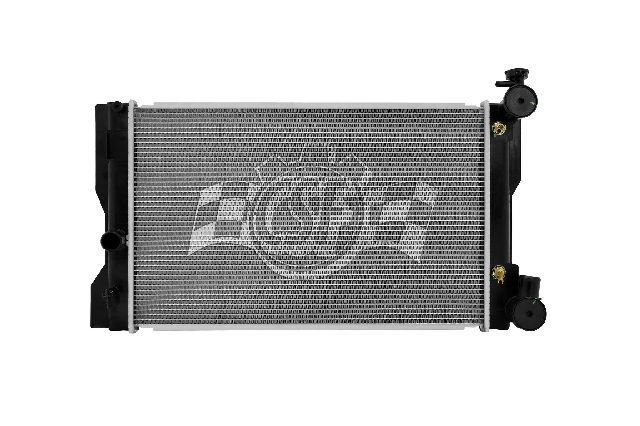
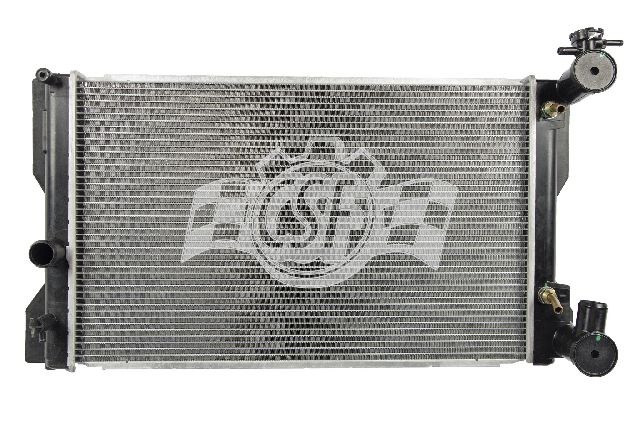
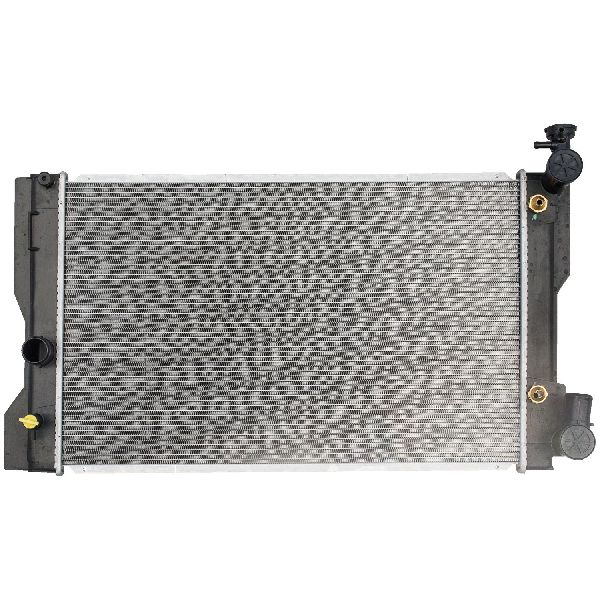
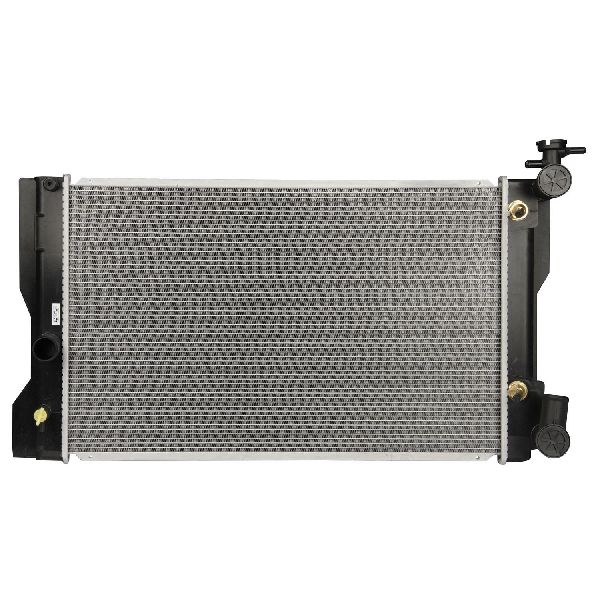
The 2009-2014 Toyota Corolla uses a cross-flow radiator with plastic end tanks and an aluminum core. Radiators for automatic transmission models include an integrated transmission oil cooler. The correct coolant to use is Toyota Super Long Life Coolant (pink).
We Have This Part in Stock


The information in this article is provided for general reference and educational purposes only. Vehicle specifications, procedures, and part compatibility can vary by production date, trim level, and region. Always consult your vehicle's factory service manual and verify part numbers before purchasing or performing repairs. Safety-critical components such as airbags, seat belts, and braking systems should be installed by a qualified professional.
- Toyota Corolla: