

A Comprehensive Guide to the 2009-2014 Toyota Highlander Automatic Transmission Mount
Experiencing clunks and vibrations in your Highlander? It might be a failing transmission mount.
- The most common symptoms of a bad transmission mount are clunking noises when shifting and excessive vibration at idle.
- Driving with a failed mount is not recommended as it can cause damage to other drivetrain and exhaust components.
- Aftermarket brands like Anchor, DEA, and Pioneer are budget-friendly but may not dampen vibration as well or last as long as OEM Toyota parts.
- Replacing the transmission mount is a feasible DIY project for those with proper tools, including a floor jack and jack stands.
Is Your Highlander Shaking or Clunking? Understanding Transmission Mount Failure
The original transmission mounts on the second-generation Highlander are durable, but they don't last forever. Over time, the rubber block can crack, degrade from exposure to heat and leaking fluids, or simply wear out from mileage. When this happens, the mount can no longer properly support the transmission or absorb vibrations. Ignoring a failing mount can put extra stress on other components like engine mounts, axles, and exhaust pipes, leading to more expensive repairs down the road.
Symptoms of a Bad Transmission Mount
If your Highlander's transmission mount is failing, you'll likely notice one or more of these signs:
- Clunking or Banging Noises: This is a very common symptom. You may hear a loud clunk or thump when you shift from Park to Drive or Reverse. The noise can also happen during hard acceleration or braking as the transmission lurches and makes contact with the frame.
- Excessive Vibrations: A primary job of the mount is to absorb vibration. When it fails, you may feel a deep, unusual vibration through the floor, seats, or steering wheel, especially when idling with the vehicle in gear.
- Visible Engine and Transmission Movement: A healthy drivetrain should have very little movement. If you have a helper safely observe the engine bay (from the front of the vehicle) while you firmly hold the brake and shift between Reverse and Drive, excessive lurching or rocking of the engine/transmission assembly points to a bad mount. 🎬 Watch: How to identify and test for failed motor mounts
Can I Drive with a Bad Transmission Mount?
You can, but it's not recommended for long. While the vehicle will still operate, continued driving with a failed mount will be noisy and uncomfortable. More importantly, it puts significant stress on your other drivetrain mounts, CV axles, and exhaust system, which can lead to more complex and costly repairs.
Choosing a Replacement: OEM vs. Aftermarket
When it's time for a replacement, you have a choice between Original Equipment Manufacturer (OEM) parts from Toyota and various aftermarket brands. For a component like a transmission mount, the difference in quality can be noticeable.
- OEM Toyota: Generally considered the highest quality option. The rubber compound is specifically engineered for the Highlander to provide the best vibration damping and longevity. While it's the most expensive option, it provides peace of mind.
- Aftermarket Brands (Anchor, DEA, Pioneer): These brands offer a significant cost saving, making them a popular choice. However, the quality can be inconsistent. Forum discussions and mechanic reviews often suggest that budget-friendly mounts may use a harder rubber compound, which can transmit more vibration into the cabin compared to OEM. They also may not last as long as the original part. For many owners, the trade-off of a lower price for potentially reduced comfort and lifespan is acceptable.
Pro Tip: When one mount fails, it's a good idea to inspect all other engine and transmission mounts. A single failed mount often puts extra strain on the others, causing them to wear out prematurely.
| Part / Service | Estimated Cost |
|---|---|
| New Aftermarket Mount | $72.21 - $93.53 |
| New OEM Mount | $58 - $82 |
| Shop Labor | $150 - $250 |
| Total (Aftermarket Part + Labor) | $222 - $344 |
| Total (OEM Part + Labor) | $208 - $332 |
Note: Costs are estimates and can vary based on your location, the specific brand chosen, and the repair shop's labor rates. The labor cost for this specific mount is much lower than a full transmission replacement.
Frequently Asked Questions (FAQ)
Is this a difficult DIY job?
For a mechanically inclined person with the right tools, this is a manageable DIY job. It requires safely lifting and supporting the vehicle on jack stands, then using a floor jack with a block of wood to support the transmission's weight. The mount is then unbolted from the frame and the transmission, and the new one is installed. The process typically takes 1-2 hours.
🎬 See this step-by-step transmission mount replacement walkthroughAre there any recalls for the 2009-2014 Highlander transmission mount?
No, as of early 2026, there are no specific recalls or widespread Technical Service Bulletins (TSBs) from Toyota or the NHTSA related to transmission mount failure on the 2009-2014 Highlander. TSBs found were for different model years or different transmission components.
How many transmission mounts does my Highlander have?
The 2009-2014 Highlander uses a system of several mounts to support the engine and transmission. This includes a specific automatic transmission mount (often called the left mount), along with front, rear, and right-side engine mounts. They all work together to stabilize the powertrain.
🎬 Watch: A quick look at the Highlander engine mount locationsWhat's the difference between an engine mount and a transmission mount?
They perform the same basic function—securing the drivetrain and absorbing vibration—but they are located in different positions. Engine mounts support the engine, while the transmission mount supports the transmission. On a front-wheel-drive-based vehicle like the Highlander, the engine and transmission are bolted together into a single unit called a transaxle, which is supported by multiple mounts.
Helpful Videos
Technical Specifications
OEM Part Numbers: 12371-0P131
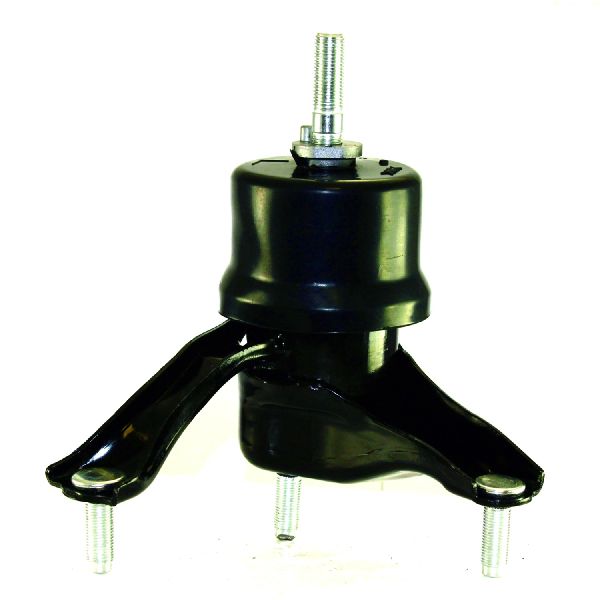
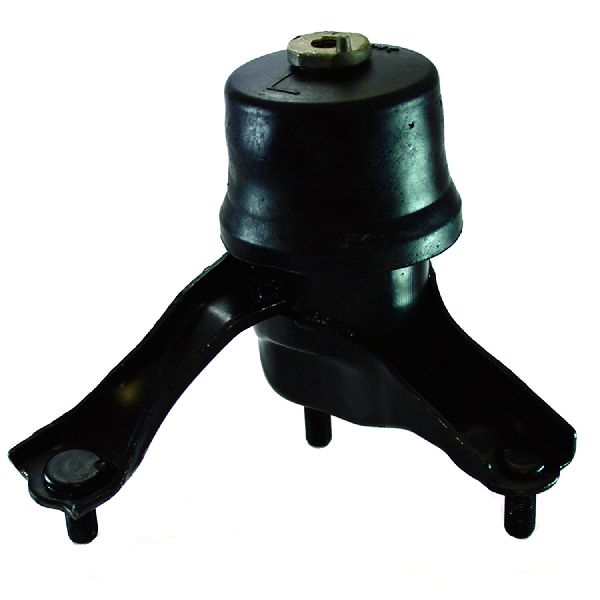
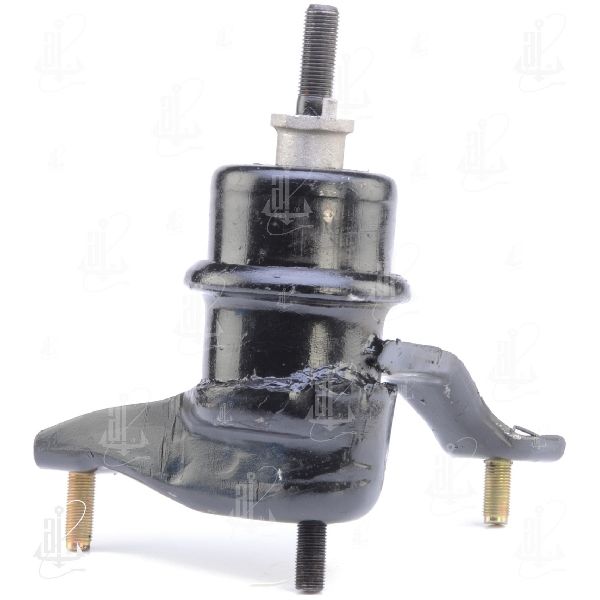
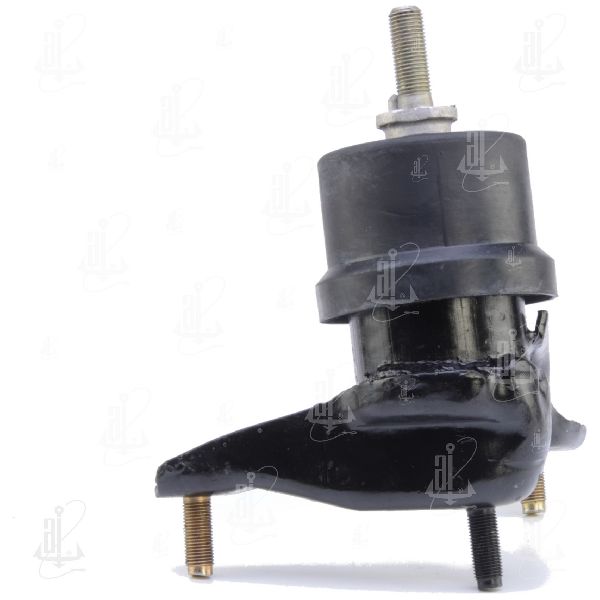
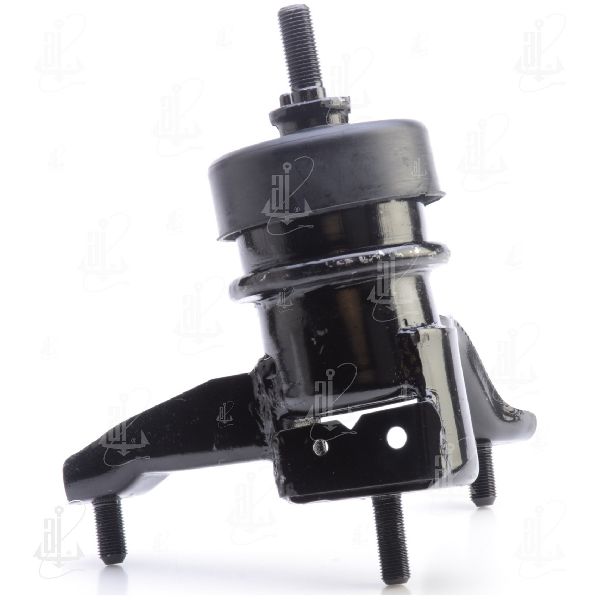
This is the left-side mount that secures the automatic transmission to the vehicle's subframe. It consists of a metal bracket with a large, integrated rubber bushing to absorb vibration.
We Have This Part in Stock


The information in this article is provided for general reference and educational purposes only. Vehicle specifications, procedures, and part compatibility can vary by production date, trim level, and region. Always consult your vehicle's factory service manual and verify part numbers before purchasing or performing repairs. Safety-critical components such as airbags, seat belts, and braking systems should be installed by a qualified professional.
- Toyota Highlander: