

Engine Camshaft Position Sensor Guide for the 2009-2015 Chevrolet Camaro
Keep your Camaro's engine running smoothly by understanding its camshaft position sensors.
- V6 engines have four easily accessible sensors, while V8 engines have one that is much harder to replace.
- Symptoms include a check engine light (P0340, P0341, P0365, P0366), rough idle, and difficulty starting.
- Before replacing a sensor on a V6, check the wiring harness connector for issues, as noted in a GM service bulletin.
- Using quality OEM-grade brands like ACDelco or Delphi is highly recommended for reliability.
Understanding Your Camaro's Camshaft Sensors

A failing camshaft position sensor can cause noticeable problems with your Camaro's performance. It's a common wear-and-tear item that eventually needs replacement. Depending on your engine, your car may have multiple sensors.
- V6 Engines (3.6L LLT & LFX): These engines have four camshaft position sensors. There is one for the intake camshaft and one for the exhaust camshaft on each cylinder bank (side of the engine).
- V8 Engines (6.2L LS3 & L99): These engines have a single camshaft position sensor. It is located on the front engine cover.
Symptoms of a Failing Camshaft Position Sensor

When a sensor starts to fail, your Camaro's computer may not know the exact position of the camshafts. This can lead to several issues, ranging from minor annoyances to problems that can leave you stranded.
- Check Engine Light: This is often the first sign. You will likely see codes such as P0340, P0341, P0365, or P0366. 🎬 Learn more about diagnosing and fixing the P0341 error code.
- Rough Idle: The engine may shake or vibrate more than usual when stopped.
- Engine Hesitation or Stumbling: During acceleration, the car may feel like it's losing power or stumbling.
- Difficulty Starting: The engine might take longer than usual to start, a condition known as "long crank". In some cases, it may not start at all.
- Reduced Fuel Economy: With incorrect timing information, the engine runs less efficiently, leading to worse gas mileage.
Known Issue: Check the Connector First
A General Motors Technical Service Bulletin (TSB) exists for 2010-2012 V6 Camaros experiencing intermittent hesitation. The problem can be a poor connection at the camshaft position sensor harness connector, not the sensor itself. Before replacing the sensor, inspect the wiring and connector for any damage or loose terminals.
Choosing the Right Aftermarket Sensor

While OEM is always an option, quality aftermarket parts can offer reliable performance at a better price. When choosing a new sensor, it's important to balance cost and quality. Forum members and mechanics often recommend sticking to well-known brands for electronic parts like these.
Brand Quality Tiers
- Premium Aftermarket (OEM Equivalent): Brands like ACDelco (the original GM parts supplier) and Delphi are top choices. They are engineered to meet or exceed original specifications and are highly recommended for the best reliability.
- Standard Aftermarket: Brands such as Standard Ignition (SMP), NGK, and Hitachi offer a good balance of quality and value. They are trusted names in the industry and provide a dependable replacement for the original sensor.
- Economy Brands: Brands like Dorman, Walker Products, and others offer a budget-friendly solution. While they can get your car back on the road, some owners report a shorter lifespan or occasional out-of-the-box failures with lower-cost electronics.
Pro Tip: Replace in Sets?
For V6 models with four sensors, you only need to replace the one that has failed. However, since they are all the same age, it's not uncommon for another to fail soon after. If your budget allows and you are already working on the engine, you might consider replacing them in pairs (e.g., both intake sensors or both on the same bank).
Cost of Replacing a Camshaft Position Sensor
The cost depends heavily on whether you have a V6 or V8 engine due to the difference in labor time.
| Item | V6 Engine Cost | V8 Engine Cost |
|---|---|---|
| New Aftermarket Part | $24 - $57 (per sensor) | $24 - $57 |
| Shop Labor | $50 - $150 | $150 - $300 |
| Estimated Total | $74 - $207 (per sensor) | $174 - $357 |
*Cost estimates are for one sensor and associated labor. Prices can vary by location and shop.
Frequently Asked Questions

How many camshaft sensors does my 2009-2015 Camaro have?
If you have a 3.6L V6 engine, your car has four sensors: an intake and an exhaust sensor on each side of the engine. If you have a 6.2L V8 engine, you have only one sensor.
Where are the sensors located?
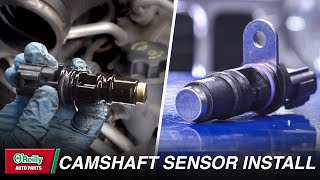
On V6 engines, the sensors are on the front of the cylinder heads, held in by a single bolt, making them easy to access. 🎬 Watch this step-by-step guide to replacing V6 sensors and solenoids. On V8 engines, the single sensor is located on the lower portion of the front engine timing cover, which is much more difficult to access and may require removing other components.
🎬 See how to access and install the sensor on V8 engines.What is the difference between an intake and exhaust sensor on the V6?
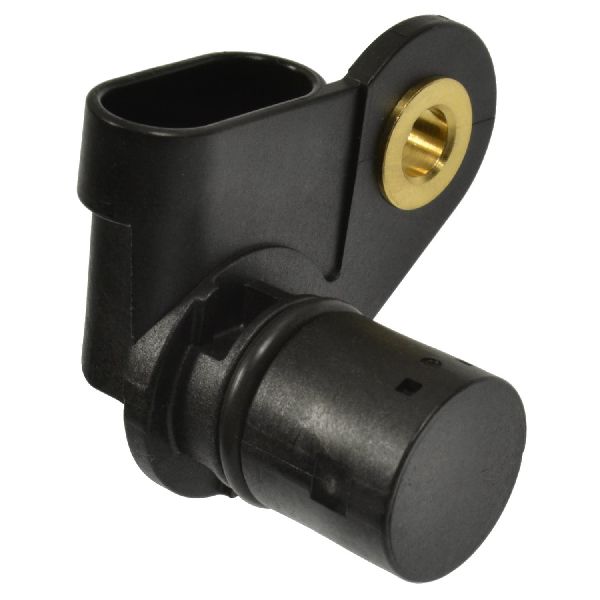
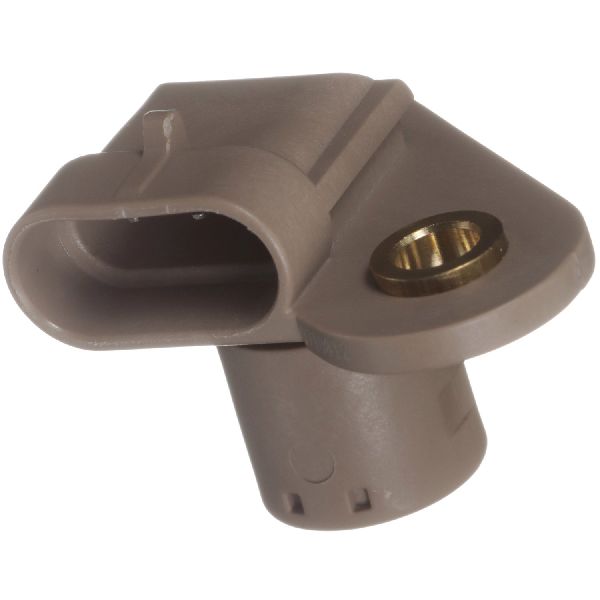
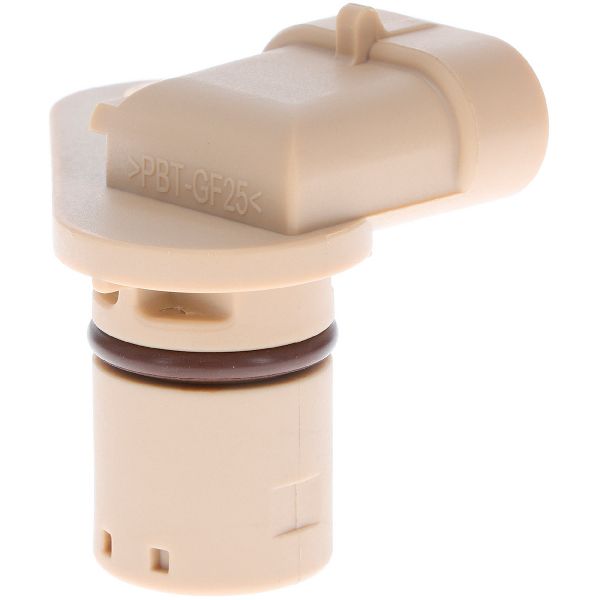
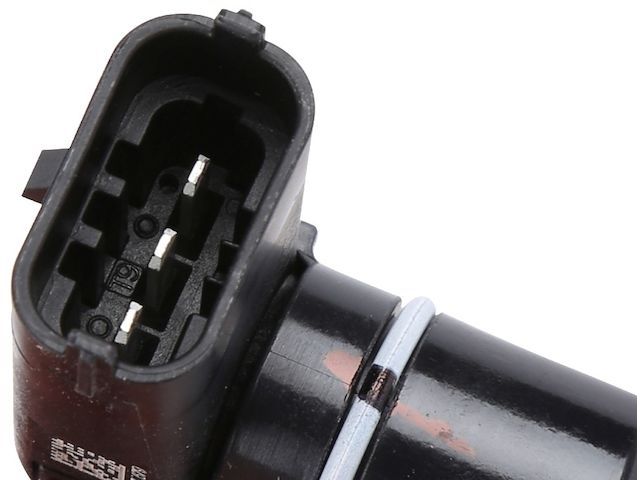
While they may look similar, the intake and exhaust sensors often have different part numbers and are not interchangeable. The diagnostic trouble code (e.g., P0341 for intake, P0366 for exhaust) will help you identify which one needs replacement. Always verify the part number for the specific location.
Do I need to perform a 'relearn' procedure after replacement?
No, a specific relearn procedure is not required for replacing the camshaft position sensor itself. Once the new sensor is installed, you should clear the diagnostic trouble codes with a scan tool, and the system will recognize the new part.
Helpful Videos

![How to Fix P0366 Engine Code in 3 Minutes [2 DIY Methods / Only $9.57]](https://img.youtube.com/vi/aOn6lIOojW8/mqdefault.jpg)
Technical Specifications
OEM Part Numbers: 12591720
The number and location of sensors vary significantly between V6 and V8 models. V6 engines use four sensors (two intake, two exhaust) located on the cylinder heads. V8 engines use a single sensor on the front timing cover.
We Have This Part in Stock


The information in this article is provided for general reference and educational purposes only. Vehicle specifications, procedures, and part compatibility can vary by production date, trim level, and region. Always consult your vehicle's factory service manual and verify part numbers before purchasing or performing repairs. Safety-critical components such as airbags, seat belts, and braking systems should be installed by a qualified professional.
- Chevrolet Camaro:
- 🎬 Helpful Videos
- 🛍️ Shop This Part
- Understanding Your Camaro's Camshaft Sensors
- Symptoms of a Failing Camshaft Position Sensor
- Known Issue: Check the Connector First
- Choosing the Right Aftermarket Sensor
- Brand Quality Tiers
- Pro Tip: Replace in Sets?
- Cost of Replacing a Camshaft Position Sensor
- Frequently Asked Questions
- 🎟️ Get 5% Off