

Chevrolet Camaro Ignition Switch Guide (2009-2015): Problems and Replacement
Is your 5th Gen Camaro having starting problems or electrical glitches? It might be the ignition switch.
- First, verify if your issue is related to the 2014 key fob recall (GM #14294) before assuming the switch is bad.
- Symptoms of a bad switch include stalling, no-start conditions, and flickering electronics.
- Stalling while driving is a critical safety failure; do not operate the vehicle if this occurs.
- Replacing the electronic switch is a DIY-friendly job that does not require key reprogramming.
Is It the Ignition Switch or the Famous Recall?

First, let's clear up a common point of confusion for 5th Gen Camaro owners. The most well-known ignition issue was GM Safety Recall 14294 (NHTSA ID: 14V346000). This recall was not for a faulty electronic ignition switch, but for the design of the switchblade-style key fob. A driver's knee could bump the fob, accidentally turning the key out of the 'run' position. This would shut off the engine, power brakes, power steering, and disable the airbags. The fix was to replace the flip-key with a new, separate key and fob. Before replacing any parts, check if your vehicle had this recall performed.
Symptoms of a Failing Ignition Switch

If your car has the updated key or your problems are different, you may have a failing electronic ignition switch. Here are the common signs Camaro owners report:
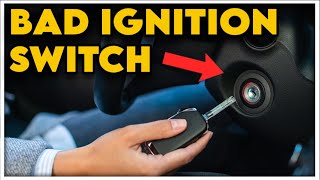
🎬 Watch: 8 common symptoms of a failing ignition switch- No Crank, No Start: You turn the key, the dashboard lights up, but when you try to start the engine, everything goes dead. You hear no click and no crank from the starter.
- Intermittent Starting: The car starts fine one day but fails to start the next. This randomness often points to failing electrical contacts inside the switch.
- Stalling While Driving: The engine may suddenly shut off, especially when going over bumps. This is a serious safety issue as you will lose power steering and brakes.
- Engine Won't Shut Off: In some cases, the engine continues to run even after you've turned the key to the 'off' position and removed it.
- Electrical Glitches: Your dashboard lights might flicker, or accessories like the radio may cut out and back in randomly.
- Key is Hard to Turn: If the key feels jammed or is difficult to turn, the mechanical lock cylinder or the electronic switch behind it could be failing.
Safety First: Do Not Drive
If you suspect your ignition switch is failing, especially if you've experienced stalling, do not drive the vehicle. Losing engine power on the road is extremely dangerous. The car can become very difficult to steer and stop.
Choosing the Right Aftermarket Ignition Switch

The ignition switch is a critical electrical part. While you don't need to buy the most expensive option, choosing a reputable brand is important for reliability. For the 2009-2015 Camaro, the electronic switch is a separate component from the lock cylinder where you insert the key.
- Tier 1: OEM Equivalent (ACDelco): ACDelco is GM's official parts brand. Choosing an ACDelco switch is the closest you can get to the original part that came with your Camaro. It's built to the original factory specifications and is a trusted choice for electrical components.
- Tier 2: Premium Aftermarket (Standard Ignition): Standard Motor Products (SMP) is a well-respected aftermarket manufacturer with over 100 years of experience. Their parts are known to meet or exceed OEM quality and are a reliable choice often used by professional mechanics.
- Tier 3: Standard Aftermarket (Rostra Powertrain): Rostra is another aftermarket option that provides a functional replacement at a competitive price point. While there is less direct feedback comparing it to ACDelco or Standard for this specific part, it serves as a budget-friendly alternative.
| Part / Service | Estimated Cost |
|---|---|
| New Aftermarket Part | $31 - $40 |
| New OEM Part (ACDelco) | $50 - $55 |
| Shop Labor | $104 - $153 |
| Total Professional Replacement | $155 - $204 |
Pro Tip: Check Your Fuses First
Before buying a new switch, check the related fuses. 🎬 See how to troubleshoot a Camaro that won't start A blown fuse can mimic ignition switch problems and is a much cheaper and easier fix. Some owners have found that a blown fuse for the MAF/CCC (#14 in the underhood fuse box) can cause starting issues.
Frequently Asked Questions

Is replacing the ignition switch a DIY job?
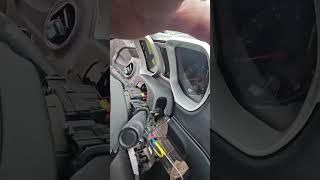
Yes, for a mechanically inclined owner, this is a very feasible DIY project. The switch is located on the steering column and is accessed by removing the plastic covers (the 'clamshell'). It's held in by a couple of screws and an electrical connector. The entire job can typically be done in about an hour with basic hand tools.
🎬 Watch this step-by-step ignition switch installation walkthroughWill I need to reprogram my keys after replacing the switch?
No. You are replacing only the electronic switch, not the ignition lock cylinder or the car's security module. Your existing keys will work exactly as they did before, with no programming required.
What's the difference between the ignition switch and the ignition lock cylinder?
The ignition lock cylinder is the mechanical part you put your key into. The ignition switch is the electronic component attached to it that actually sends power to the car's systems. They are two separate parts on the Camaro, though they work together.
My key is stuck in the ignition. Is that the switch?
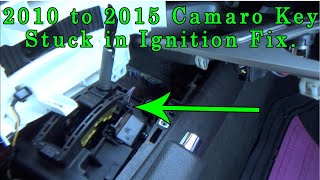
It can be, but it's often related to the shift interlock solenoid. This safety feature prevents you from removing the key unless the car is in Park. A failure in the shifter assembly or the solenoid can cause the key to get stuck. This is a separate issue from a typical ignition switch failure.
Helpful Videos

Technical Specifications
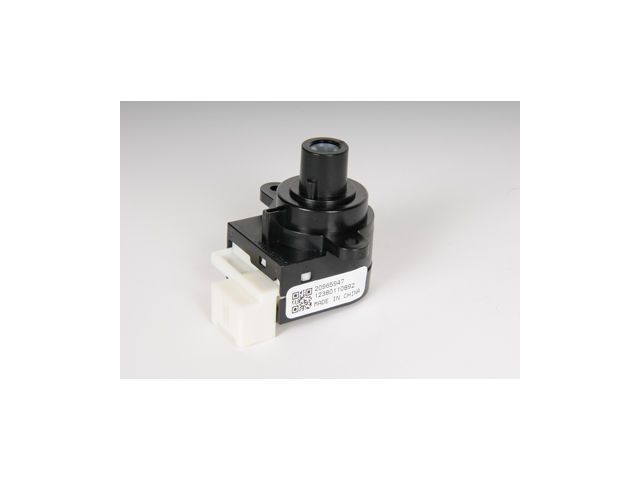
The ignition switch is the electronic component mounted to the ignition lock cylinder on the steering column. It is a multi-position rotary switch that controls power distribution to the vehicle's main electrical circuits.
We Have This Part in Stock


The information in this article is provided for general reference and educational purposes only. Vehicle specifications, procedures, and part compatibility can vary by production date, trim level, and region. Always consult your vehicle's factory service manual and verify part numbers before purchasing or performing repairs. Safety-critical components such as airbags, seat belts, and braking systems should be installed by a qualified professional.
- Chevrolet Camaro: