

A Deep Dive on the 2009-2015 Chevrolet Camaro MAP Sensor
If your Camaro is running rough, hesitating, or throwing a P0106 code, your Manifold Absolute Pressure sensor could be the culprit.
- A bad MAP sensor commonly causes a P0106 check engine code, rough idle, and poor acceleration.
- Replacement is an easy DIY job, typically taking less than 30 minutes with a single T25 Torx bit.
- Always check for vacuum leaks first, as they can mimic the symptoms of a failed MAP sensor.
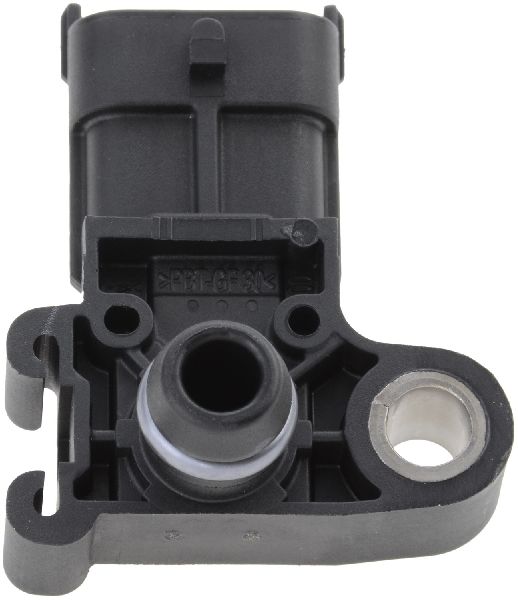
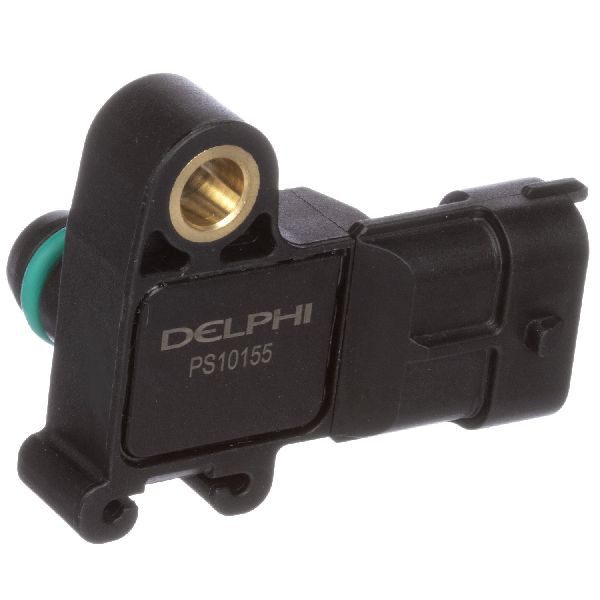
- For best results, use a quality OE-equivalent brand like ACDelco, Bosch, or Delphi.
Is Your Camaro's MAP Sensor Failing?

A faulty Manifold Absolute Pressure (MAP) sensor can cause noticeable problems in your 2009-2015 Chevrolet Camaro. Because this sensor directly affects the air-fuel mixture and ignition timing, a bad sensor sends wrong information to the engine's computer. This can lead to a range of performance issues that you can feel from the driver's seat.
Key Symptoms of a Bad MAP Sensor:
- Check Engine Light: This is often the first sign. A code scanner will likely show a P0106 code, which points directly to a MAP sensor performance problem.
- Rough Idle: The engine may vibrate or struggle to maintain a steady RPM when stopped.
- Poor Acceleration & Hesitation: Your Camaro might feel sluggish, hesitate when you press the gas, or have a noticeable lack of power.
- Bad Fuel Economy: If the sensor causes the engine to run rich (too much fuel), you'll see a drop in your miles per gallon.
- Black Smoke from Exhaust: This is a clear sign of an overly rich fuel mixture, which can be caused by a faulty MAP sensor reading.
Check for Vacuum Leaks First!
Before you replace the MAP sensor, it's critical to check for vacuum leaks. A cracked or disconnected vacuum hose can cause the same symptoms and trigger a P0106 code. A simple visual inspection of the hoses around the intake manifold can save you from replacing a perfectly good sensor.
Choosing the Right Aftermarket MAP Sensor

When it comes to a critical electronic part like the MAP sensor, brand quality matters. For your Camaro, you have several good options that balance price and reliability.
Brand Quality Tiers
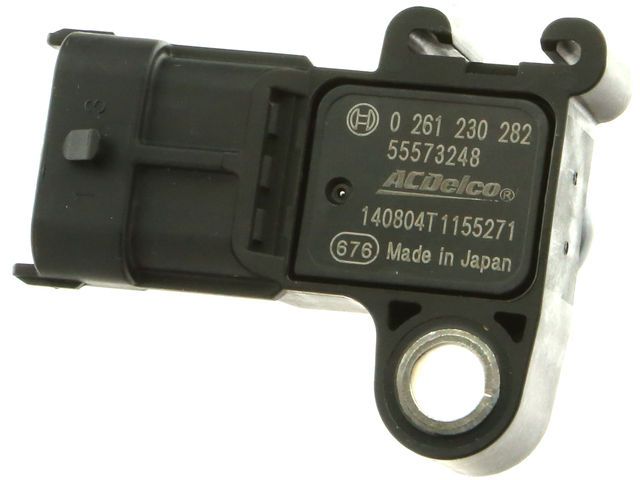
- Premium OE-Equivalent Brands (ACDelco, Bosch, Delphi): ACDelco is the original equipment (OE) manufacturer for General Motors, so it's a direct replacement for the part your Camaro came with from the factory. Bosch and Delphi are also highly respected OEM suppliers that design their parts to meet or exceed factory standards, often using robust materials to protect against vibration and heat. Choosing one of these brands is the safest bet for long-term reliability.
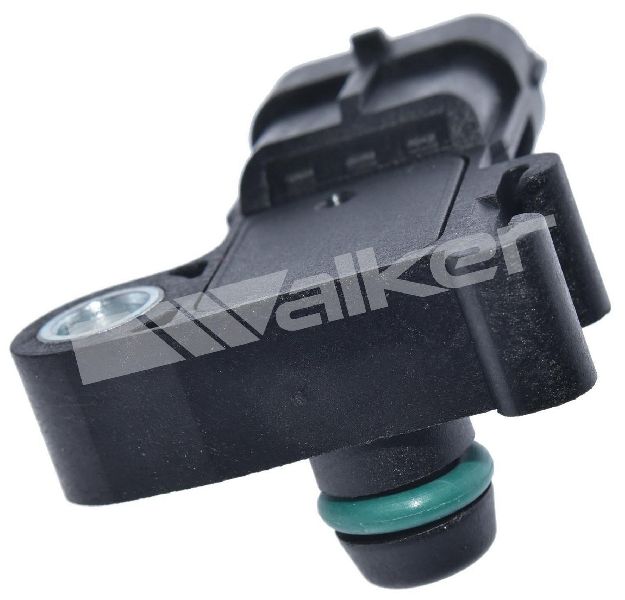
- Quality Aftermarket Brands (Standard Ignition, NGK, Spectra, Walker Products): These brands are well-known in the aftermarket and offer a reliable alternative to OE parts, often at a lower price. They are designed to be direct-fit replacements and provide good performance for daily driving.
- Standard Replacement Brands (Facet, Global Parts, True Tech): These brands provide a functional and budget-friendly option to get your car back on the road. They meet the basic requirements for the sensor to function correctly.
A Note on Installation
Replacing the MAP sensor is a simple DIY job. On the V6, it's at the back of the intake manifold, held by one T25 Torx screw. On V8 models, access can be tighter but is still manageable. When installing, lightly lubricate the new O-ring and press the sensor in by hand. Never use the bolt to pull the sensor into place, as this can easily snap the plastic housing and drop pieces into your engine.
Cost of Replacing a Camaro MAP Sensor
The cost is relatively low, especially if you do the work yourself. The part itself is affordable, and labor is minimal due to the easy access.
| Item | Estimated Cost |
|---|---|
| New Aftermarket MAP Sensor | $39.20 - $67.73 |
| New OEM MAP Sensor | $45 - $100 |
| Shop Labor | $50 - $150 |
| Total (Shop Repair) | $85 - $250 |
Frequently Asked Questions

Where is the MAP sensor located on my 2009-2015 Camaro?
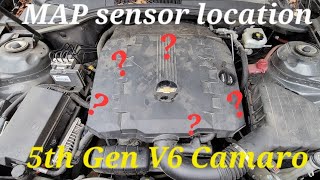
On V6 models, the MAP sensor is on the top rear of the intake manifold, near the firewall. It is held in by a single T25 Torx screw. On V8 models, it is typically located on the back of the intake manifold as well, though access may be tighter, especially on supercharged ZL1 models.
Can I replace the MAP sensor myself?
Yes, this is a great DIY project for beginners. The replacement process is straightforward: disconnect the electrical plug, remove one bolt, and carefully wiggle the old sensor out. The entire job can usually be done in under 30 minutes with basic tools.
Are there any recalls for the Camaro MAP sensor?
No, there are no specific recalls or widespread Technical Service Bulletins (TSBs) issued by GM for MAP sensor failure on the 2009-2015 Chevrolet Camaro. The issue is typically due to normal wear, heat, or contamination over time.
What's the difference between a MAP and a MAF sensor?
Your Camaro has both. The Mass Airflow (MAF) sensor measures the volume and density of air entering the engine right after the air filter. The Manifold Absolute Pressure (MAP) sensor measures the pressure (or vacuum) inside the intake manifold after the throttle. Both sensors help the ECU determine engine load, but they measure different things. A MAP sensor failure will usually trigger different codes than a MAF sensor failure.
Helpful Videos
Technical Specifications
OEM Part Numbers: 12644569 12592525 55567257 12650600
The MAP sensor for the 2009-2015 Camaro is a 3-terminal sensor that mounts directly to the intake manifold. It operates on a 5-volt reference signal from the ECU and reports pressure changes by varying its output voltage. Different part numbers exist for V6, naturally aspirated V8, and supercharged V8 engines.
We Have This Part in Stock


The information in this article is provided for general reference and educational purposes only. Vehicle specifications, procedures, and part compatibility can vary by production date, trim level, and region. Always consult your vehicle's factory service manual and verify part numbers before purchasing or performing repairs. Safety-critical components such as airbags, seat belts, and braking systems should be installed by a qualified professional.
- Chevrolet Camaro: