

Diagnosing the Throttle Position Sensor on Your 2009-2015 Chevrolet Express 3500
Experiencing reduced engine power or a rough idle in your Chevy van? Your throttle position sensor could be the problem.
- The 'Reduced Engine Power' message is the most common symptom of a failing throttle position sensor.
- DTC code P2135 often indicates a correlation failure between the two internal sensors, making a full throttle body replacement a more reliable fix than a sensor-only swap.
- A 'relearn' procedure is required after replacement to calibrate the new sensor with the vehicle's computer.
- Before replacing parts, rule out wiring issues, especially if you have code P2138, which often relates to a connector problem near the kick panel.
Is Your Express 3500 in 'Reduced Engine Power' Mode?
One of the most common and concerning signs of a throttle position sensor problem is when your dashboard displays a "Reduced Engine Power" message. This is a safety feature, often called "limp mode," that the van's computer activates when it detects a serious issue with the throttle system. It limits your acceleration and speed to prevent potential engine damage. While the van is still drivable, it will feel very sluggish and should be serviced soon.
Common Symptoms of a Failing Throttle Position Sensor
Aside from the reduced power message, a bad TPS can cause a range of other performance issues. You might notice one or more of the following:
- Check Engine Light: A fault in the TPS circuit will almost always trigger the check engine light.
- Rough or Unstable Idle: The engine may idle erratically, surge, or stall when you come to a stop.
- Hesitation and Poor Acceleration: Your van may feel like it has no power, hesitates, or struggles to get up to speed.
- Transmission Shifting Problems: Because the TPS signal is used to control shifting, a bad sensor can cause harsh or delayed shifts.
- Decreased Fuel Economy: An incorrect signal can cause the engine to use more fuel than necessary.
Understanding Trouble Code P2135
A very common trouble code associated with these symptoms is P2135, which means "Throttle Position Sensor 1-2 Correlation." Your throttle body actually has two throttle position sensors for redundancy. This code means their voltage signals don't agree with each other. While this can be caused by a faulty sensor, it often points to a problem within the electronic throttle body assembly itself, making a complete throttle body replacement a more reliable fix.
Choosing the Right Aftermarket Part: Sensor Only vs. Full Assembly
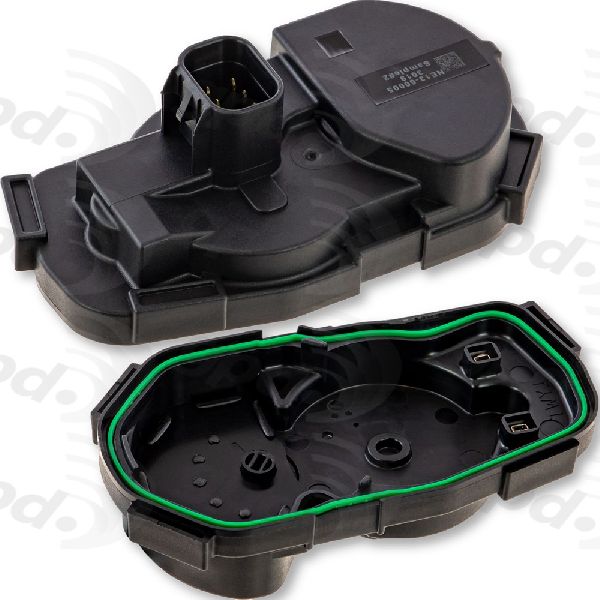
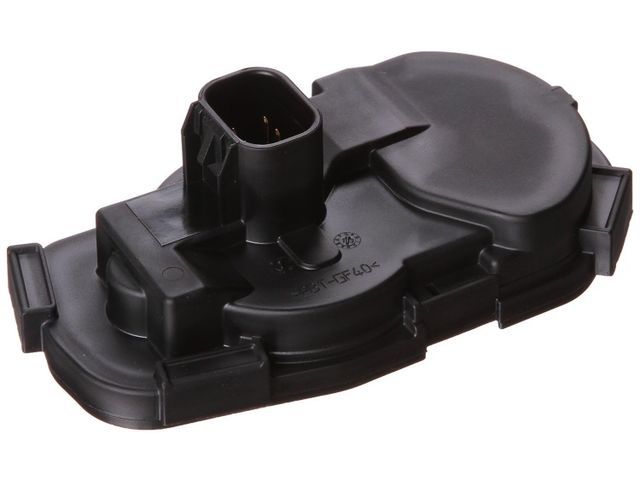
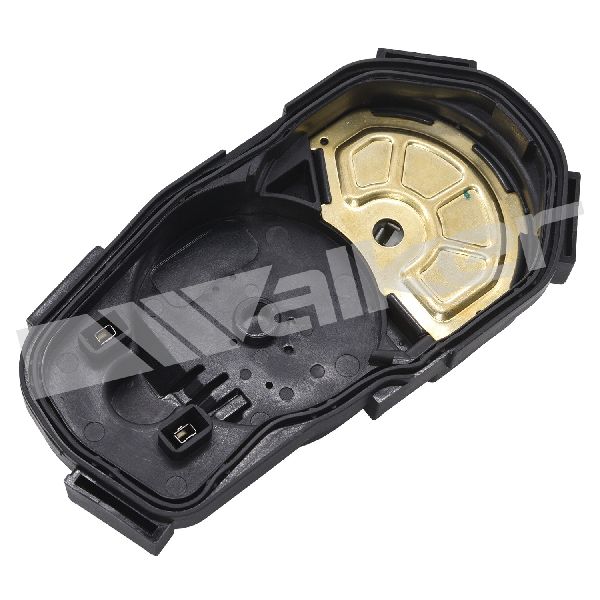
For the 2009-2015 Express 3500, the TPS is available as a separate part that clips onto the throttle body. However, many mechanics recommend replacing the entire throttle body assembly. Here’s why:
- Certainty: Replacing the whole assembly guarantees that both internal sensors, the actuator motor, and the throttle plate are all new, eliminating other potential points of failure. This is the most common fix for the P2135 code.
- Labor: The labor to replace the sensor versus the whole assembly is very similar, as you have to access the throttle body either way.
When might you replace the sensor only? If you have a code specifically for one sensor circuit (like P0122 or P0123) and not the P2135 correlation code, a sensor-only replacement might be a cost-effective solution.
Aftermarket Brand Quality
When choosing a new part, brand quality matters. Here’s a general breakdown of the available options:
- Premium Options (OEM Equivalent): ACDelco is General Motors' own parts brand and is considered the original equipment manufacturer. For the most reliable performance, choosing an ACDelco part is a safe bet, though even they have different quality tiers like "Original Equipment" and "Gold" (Professional).
- Quality Aftermarket: Brands like Standard Ignition (SMP) and NGK are well-known in the industry. They generally offer good quality and are a solid alternative to OEM parts, though some forum users have reported occasional issues with fitment or out-of-the-box performance.
- Standard/Economy Options: Brands like Walker Products, Motorad, and Global Parts offer more budget-friendly choices. They market their parts as meeting OEM specifications, but may not have the same long-term durability as premium brands.
| Part Type | Price Range |
|---|---|
| New Aftermarket (Sensor or Assembly) | $55.56 - $151.82 |
| New OEM (GM Genuine Throttle Body) | $350 - $400 |
| Shop Labor | $75 - $150 |
Don't Forget the Relearn Procedure!
After replacing the TPS or the entire throttle body, you must perform a relearn procedure. This allows the van's computer to calibrate to the new sensor. A common method is to start the engine and let it idle for 3 minutes, turn it off for 60 seconds, and then repeat the cycle. The idle should become smooth and stable once the process is complete.
Frequently Asked Questions (FAQ)
Is there a recall for the throttle position sensor on my Express van?
No, there are no active recalls for the throttle position sensor or throttle body on the 2009-2015 Chevrolet Express 3500. GM did have a special coverage program for the P2135 code, but it was limited to 10 years or 120,000 miles and has since expired for these vehicles.
What's the difference between the Throttle Position Sensor (TPS) and the Accelerator Pedal Position (APP) sensor?
They work together but are in different locations. The APP sensor is part of your gas pedal assembly and tells the computer how far you're pressing the pedal. The TPS is on the throttle body at the engine and reports the actual position of the throttle plate. A common issue that mimics a bad TPS is DTC P2138, which points to the APP sensor. GM issued a Technical Service Bulletin (TSB 07-06-04-019E) indicating this code is often caused by a bad wiring connection near the driver's side kick panel, not a bad pedal.
Can I clean my throttle body to fix the problem?
Sometimes, a very dirty throttle body can cause the throttle plate to stick, leading to idle and performance issues. Cleaning it can help, but it will not fix a failed electronic sensor. If you are getting persistent TPS-related codes, cleaning alone is unlikely to solve the problem.
How difficult is it to replace the throttle position sensor myself?
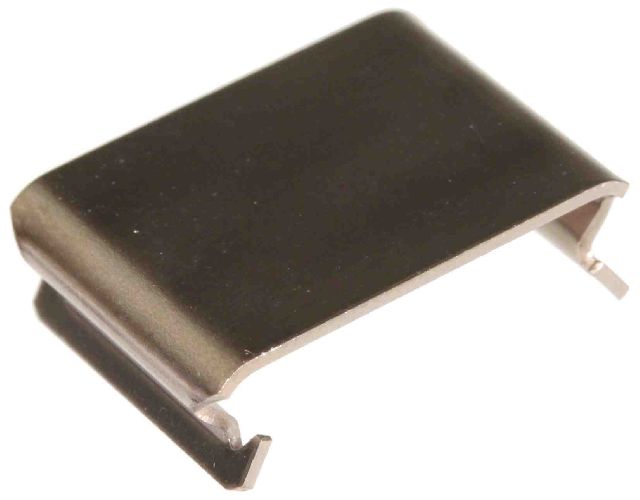
For someone with basic mechanical skills, this is a manageable job. It requires removing the air intake ducting to get access. The sensor itself is held on by several small clips. The most difficult part is often reaching the clips on the back of the sensor. Replacing the entire throttle body is more straightforward, as it's typically held on by just four bolts.
Technical Specifications
OEM Part Numbers: 12670981 12631186 217-3428
The throttle position sensor for this vehicle is an electronic, clip-on style sensor that is part of the electronic throttle body assembly. The throttle body uses a 6-pin electrical connector.
We Have This Part in Stock


The information in this article is provided for general reference and educational purposes only. Vehicle specifications, procedures, and part compatibility can vary by production date, trim level, and region. Always consult your vehicle's factory service manual and verify part numbers before purchasing or performing repairs. Safety-critical components such as airbags, seat belts, and braking systems should be installed by a qualified professional.
- Chevrolet Express 3500:
- 🛍️ Shop This Part
- Is Your Express 3500 in 'Reduced Engine Power' Mode?
- Common Symptoms of a Failing Throttle Position Sensor
- Understanding Trouble Code P2135
- Choosing the Right Aftermarket Part: Sensor Only vs. Full Assembly
- Aftermarket Brand Quality
- Don't Forget the Relearn Procedure!
- Frequently Asked Questions (FAQ)
- 🎟️ Get 5% Off