

Chevrolet Express 4500 Ignition Knock Sensor: A Complete Replacement Guide (2009-2015)
Dealing with a Check Engine Light and poor performance on your 6.0L V8 work van? This guide explains why your knock sensors are the likely cause.
- This is a high-labor repair; failure is caused by corrosion from water getting under the intake manifold.
- Always replace both knock sensors, the wiring harness, and the intake manifold gaskets at the same time to avoid repeat labor costs.
- Using high-quality OEM-equivalent brands like ACDelco or Delphi is strongly recommended over cheaper alternatives for this specific job.
- The correct torque for the new sensors is 15 ft-lbs, which is critical for proper function.
Is Your Express Van Trying to Tell You Something?
A failing knock sensor on a 2009-2015 Chevrolet Express 4500 with the 6.0L V8 engine is a very common issue. The symptoms often appear as a loss of power and a Check Engine Light, which can be frustrating for a vehicle that needs to be on the road working. Because the van's computer can no longer trust the signal from the sensor, it puts the engine into a protective 'safe mode.' This mode reduces power and adjusts engine timing to prevent potential damage, but it results in sluggish performance and poor fuel economy.
Why Do These Knock Sensors Fail? A Problem of Location
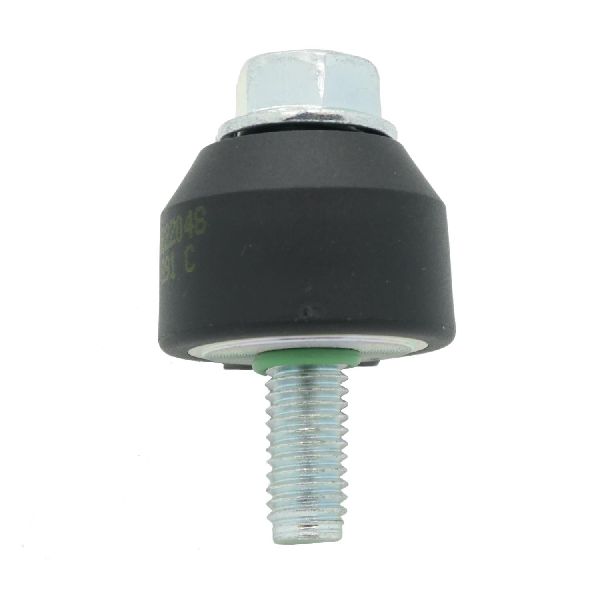
On the 6.0L V8 engine, the two knock sensors are located in a difficult-to-reach spot: under the intake manifold, deep in the engine's valley. This area is a known trouble spot because it can collect water, dirt, and debris over time. This moisture sits in the cavities where the sensors are bolted, causing the sensors themselves and, just as importantly, the wiring harness connectors to rust and corrode. In most cases, it's this corrosion from water intrusion that causes the failure, not a defect in the sensor itself.
A Labor-Intensive Job: Do It Right the First Time
Replacing the knock sensors on this van is not a simple task. A mechanic must remove the entire upper intake manifold to gain access. This makes the repair expensive due to the high labor cost. Because of this, it is critical to use high-quality parts and to replace all related components at once to avoid having to do the job a second time.
Choosing the Right Aftermarket Knock Sensor
Because this is a high-labor repair, part quality is extremely important. Saving a few dollars on a cheap sensor can lead to another expensive repair job down the road. Here’s a breakdown of the available brands:
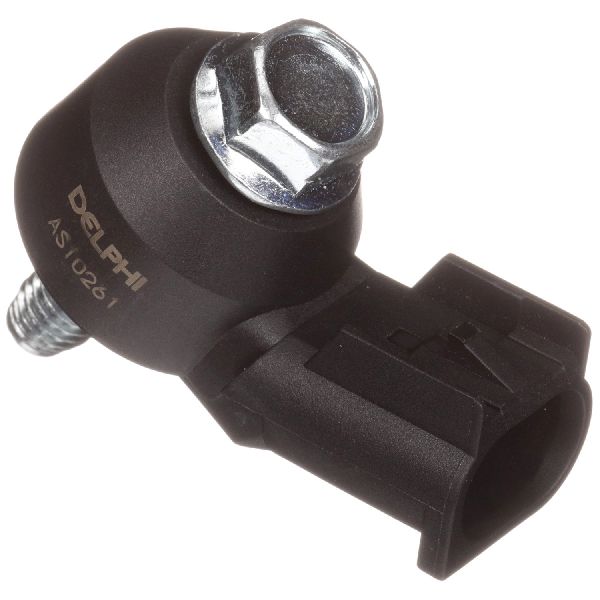
- Top Tier (OEM & Recommended): ACDelco is the original GM parts brand, and Delphi is a major OEM supplier that often manufactures the part for GM. For a high-labor job like this, choosing one of these two brands provides the most peace of mind. Many professional mechanics and experienced owners insist on using only GM Genuine or ACDelco parts for this specific repair to ensure reliability.
- Reputable Aftermarket: Brands like NGK and Standard Ignition (SMP) generally have a good reputation for quality sensors. If you choose Standard, be aware that their 'T-series' line is considered a lower-quality, economy option.
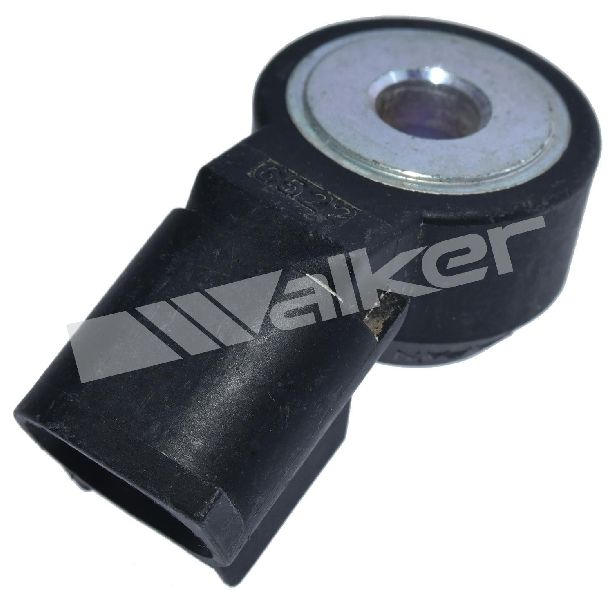
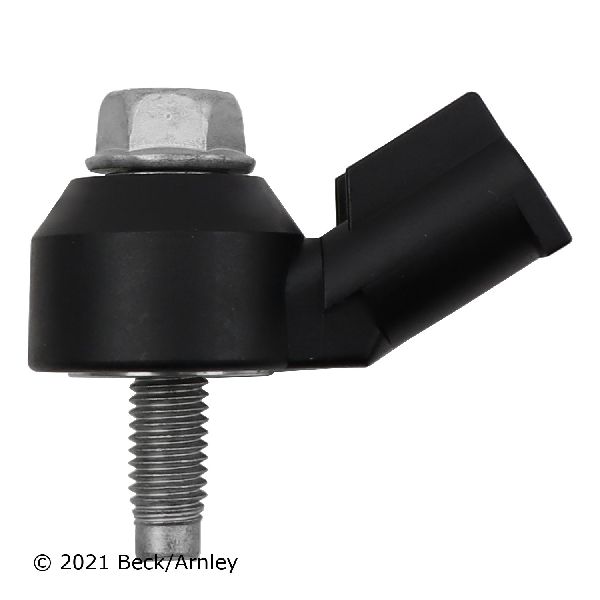
- Value-Oriented / Mixed Reviews: Brands like Beck Arnley, Walker Products, and others are often more affordable. However, some of these brands are 're-boxers,' meaning the quality can be inconsistent from one part to the next. Given the cost of labor, using these brands for this specific job is a gamble that could lead to premature failure.
Pro Tip: Replace as a Complete Kit
It is essential to replace both knock sensors, the knock sensor wiring harness, and the intake manifold gaskets at the same time. The wiring harness is exposed to the same heat and moisture as the sensors and is a very common failure point. Replacing everything at once is the best way to ensure a lasting repair.
Cost to Replace Knock Sensors on a 2009-2015 Express 4500
| Part / Service | Estimated Cost |
|---|---|
| New Aftermarket Knock Sensors (Set of 2) | $30 - $60 |
| New OEM (ACDelco) Knock Sensors (Set of 2) | $35 - $55 |
| Knock Sensor Wiring Harness | $25 - $45 |
| Intake Manifold Gasket Set | $40 - $80 |
| Shop Labor | $400 - $750 |
| Total Estimated Cost (Shop Repair) | $500 - $930 |
Note: Prices are estimates and can vary significantly based on your location and the specific parts chosen. Labor is the largest variable.
Frequently Asked Questions (FAQ)
Do I really have to replace both sensors and the harness?
Yes. The cost of the repair is mostly labor to remove the intake manifold. Not replacing both sensors and the harness at the same time creates a high risk that you'll have to pay for the same labor all over again when the other original sensor or harness fails.
Is there a recall for this problem?
No, there are no specific recalls from the NHTSA for knock sensor failure on the 2009-2015 Chevrolet Express 4500. However, the issue is so well-known that GM issued a Technical Service Bulletin (TSB #02-06-04-023A) for similar engines, which recommends building a silicone dam around the sensors to prevent future water intrusion.
Can I replace the knock sensors myself?
This is an advanced DIY job. It requires removing the fuel rail, disconnecting various electrical connectors and vacuum lines, and lifting the entire intake manifold. It is possible for an experienced home mechanic, but it is time-consuming. The new sensors must be torqued to exactly 15 ft-lbs to function correctly.
What happens if I ignore a bad knock sensor?
Your van's computer will remain in a 'safe' mode, resulting in poor acceleration, reduced power (especially under load), and bad fuel economy. While it may not leave you stranded immediately, you are losing the engine's primary protection against harmful detonation, which could lead to expensive engine damage over time if a real knock condition occurs.
Technical Specifications
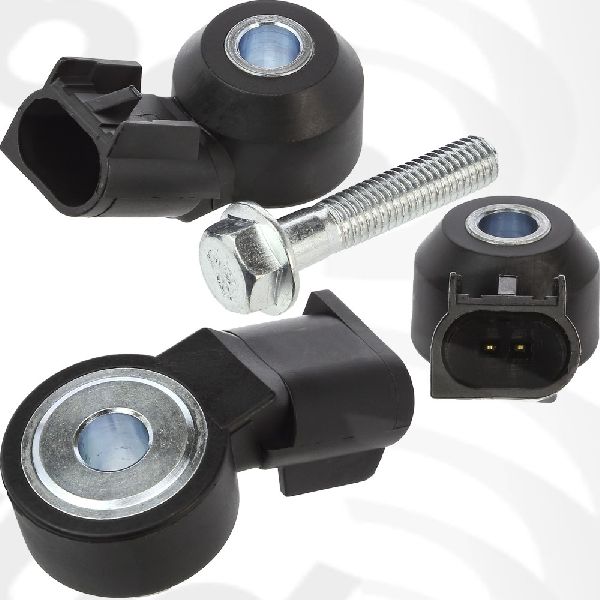
OEM Part Numbers: 12623730 12570125
Location: Under intake manifold in engine valley (x2). Required Torque: 15 ft-lbs.
We Have This Part in Stock


The information in this article is provided for general reference and educational purposes only. Vehicle specifications, procedures, and part compatibility can vary by production date, trim level, and region. Always consult your vehicle's factory service manual and verify part numbers before purchasing or performing repairs. Safety-critical components such as airbags, seat belts, and braking systems should be installed by a qualified professional.
- Chevrolet Express 4500:
- 🛍️ Shop This Part
- Is Your Express Van Trying to Tell You Something?
- Why Do These Knock Sensors Fail? A Problem of Location
- A Labor-Intensive Job: Do It Right the First Time
- Choosing the Right Aftermarket Knock Sensor
- Pro Tip: Replace as a Complete Kit
- Cost to Replace Knock Sensors on a 2009-2015 Express 4500
- Frequently Asked Questions (FAQ)
- 🎟️ Get 5% Off