

Ford Flex Automatic Transmission Oil Cooler: A Replacement Guide for 2009-2015 Models
If you're seeing red fluid spots under your Ford Flex, your transmission oil cooler may be the culprit.
- A red fluid leak under your Ford Flex is a serious sign of a potential transmission cooler failure.
- Overheating the 6F50/6F55 transmission can cause severe damage; the cooler is your primary defense.
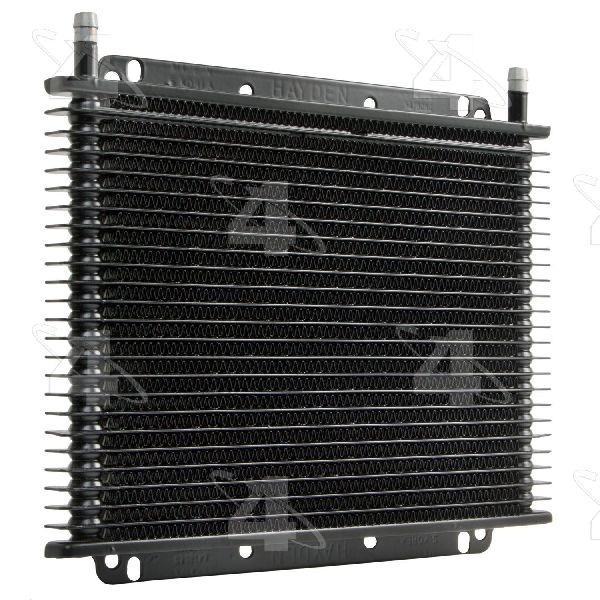
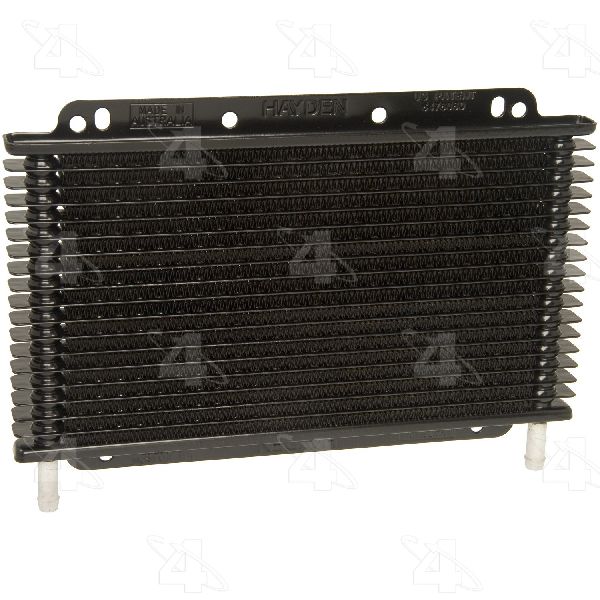
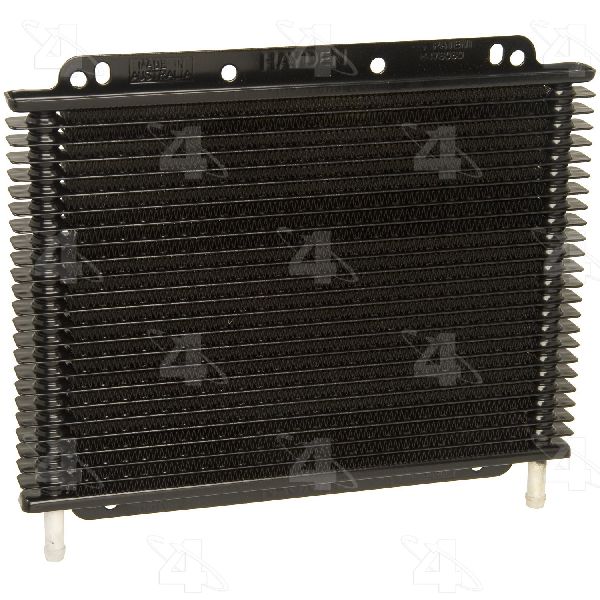
- Aftermarket coolers from brands like Hayden or Four Seasons are cost-effective and reliable replacements.
- Inspect and consider replacing the transmission cooler lines at the same time as the cooler for a complete repair.
Is Your Ford Flex Leaking Transmission Fluid?
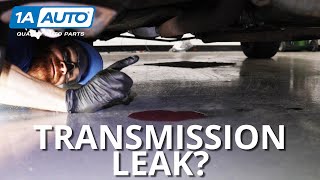
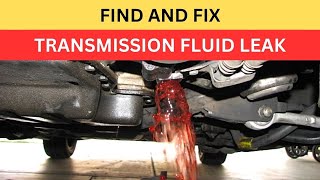
A puddle of reddish fluid on your garage floor is a classic sign 🎬 Watch: How to diagnose the source of a transmission leak of a transmission fluid leak. For many 2009-2015 Ford Flex owners, the source is often a failing automatic transmission oil cooler or its connecting lines. This part can fail due to corrosion, damage, or cracks developing in the cooler or its fittings. Ignoring this issue can lead to low fluid levels, which can cause serious transmission damage from overheating.
Symptoms of a Failing Transmission Cooler
Your Flex will give you warning signs when the transmission cooler is failing. Don't ignore them, as a small problem can become an expensive transmission replacement.
- Visible Fluid Leaks: The most obvious symptom is a leak of red or brownish transmission fluid from the front of the vehicle. You may see drips on the ground or notice wetness on the cooler itself.
- Transmission Overheating: A dashboard warning light for transmission temperature may illuminate. You might also notice a distinct burning smell, which is the odor of overheated transmission fluid.
- Poor Shifting Performance: When the transmission gets too hot, you may experience delayed or harsh shifts, slipping gears, or a shuddering sensation during acceleration. In some cases, a significant fluid loss can prevent the vehicle from moving at all.
Fire Risk Warning
A leaking transmission oil cooler can be a fire hazard. If the leaking fluid drips or sprays onto hot engine components like the exhaust manifold, it can ignite. If you suspect a leak, it is critical to get it inspected and repaired immediately.
Choosing the Right Aftermarket Cooler
When replacing your transmission cooler, you have the choice between an original equipment manufacturer (OEM) part from Ford or an aftermarket part. For a component like an oil cooler, aftermarket options are very popular and offer a good balance of quality and value.
- OEM: An OEM cooler is a direct replacement for the original part and is guaranteed to fit. However, they are typically the most expensive option.
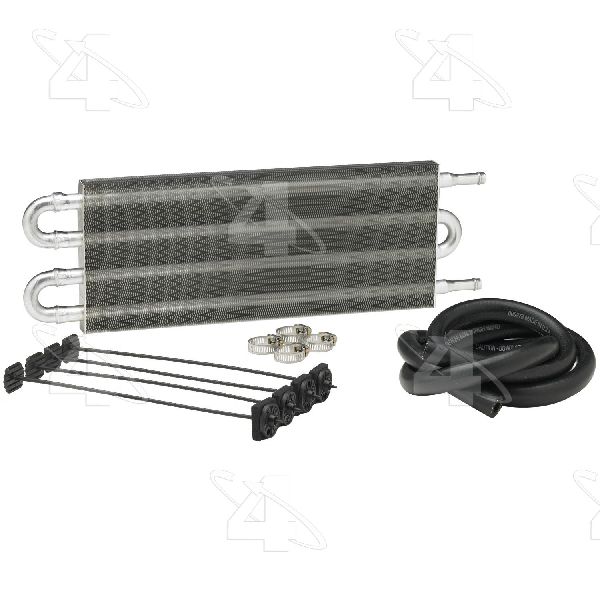
- Aftermarket: Aftermarket brands produce parts that meet or exceed OEM specifications, often at a lower price. For the Ford Flex, brands like Hayden and Four Seasons are widely available. Hayden has a generally positive reputation among DIYers for various vehicles. Aftermarket coolers are a reliable and cost-effective solution for this repair.
Pro Tip: Check the Lines Too
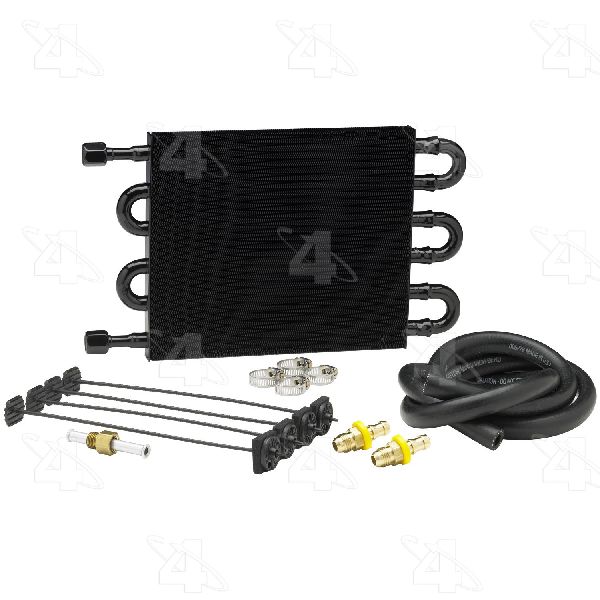
While replacing the cooler, it's a good idea to inspect the transmission cooler lines that connect to it. These lines can also corrode, crack, and leak. Replacing the lines at the same time as the cooler can save you from having to do another repair down the road.
Estimated Replacement Costs
The cost to replace the transmission oil cooler can vary based on your location and whether you do the work yourself or use a professional mechanic.
| Part/Service | Estimated Cost |
|---|---|
| New Aftermarket Cooler | $55 - $96 |
| New OEM Cooler | $128 - $174 |
| Shop Labor | $170 - $290 |
| Total Professional Replacement | $225 - $486 |
Note: Costs are estimates and do not include taxes, fees, or the cost of replacement transmission fluid.
Frequently Asked Questions
Can I upgrade my transmission cooler?
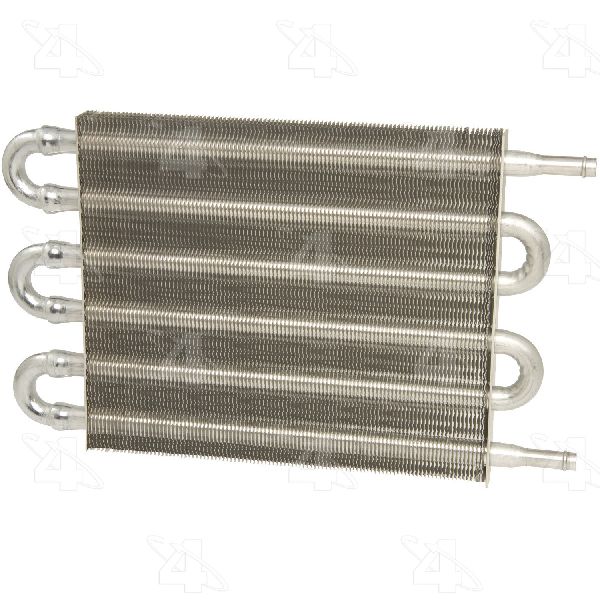
Yes. If you frequently tow a trailer or live in a very hot climate, installing a larger, heavy-duty aftermarket cooler can provide extra protection for your transmission. Brands like Hayden offer various sizes, including larger plate-and-fin style coolers that are more efficient than the standard tube-and-fin type.
Is replacing a transmission cooler a DIY job?
For a mechanically inclined owner with the right tools, this is a feasible DIY project. The process involves draining the fluid, disconnecting the cooler lines (which can sometimes require a special tool), and unbolting the cooler. However, it can be messy, and ensuring the line fittings are secure is critical to prevent leaks. If you are not comfortable with this, a professional mechanic can perform the job in a few hours.
How often should I change the transmission fluid in my Flex?
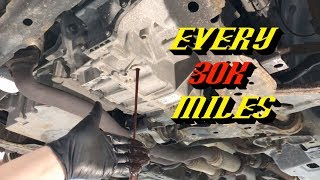
Because the internal filter in the 6F50/6F55 transmission is not serviceable without a major overhaul, keeping the fluid clean is extremely important. Many experts recommend a drain and fill of the transmission fluid every 30,000 miles to maintain its 🎬 See this walkthrough for a Ford Flex fluid drain and fill protective qualities and prevent overheating. A simple drain and fill only replaces about half the fluid, so some owners perform the service multiple times to circulate more fresh fluid.
My cooler is leaking. Can I just use a stop-leak additive?
Using a stop-leak additive in your transmission is not recommended. These products can clog small passages within the transmission and the cooler itself, leading to more severe problems. The only proper fix for a leaking cooler is to replace it.
Helpful Videos



Technical Specifications
OEM Part Numbers: FC4Z-7C410-A
The transmission cooler for the Ford Flex is typically a tube-and-fin or plate-and-fin style heat exchanger located at the front of the vehicle, often integrated with or mounted near the radiator and A/C condenser. It circulates automatic transmission fluid (ATF) to dissipate heat. The 2009-2015 Ford Flex uses a 6F50 or 6F55 6-speed automatic transmission.
We Have This Part in Stock

The information in this article is provided for general reference and educational purposes only. Vehicle specifications, procedures, and part compatibility can vary by production date, trim level, and region. Always consult your vehicle's factory service manual and verify part numbers before purchasing or performing repairs. Safety-critical components such as airbags, seat belts, and braking systems should be installed by a qualified professional.
- Ford Flex: