

A Practical Guide to the Mass Air Flow Sensor for the 2009-2015 Hyundai Genesis
Understanding, diagnosing, and choosing the right replacement Mass Air Flow sensor for your V6 or V8 Genesis.
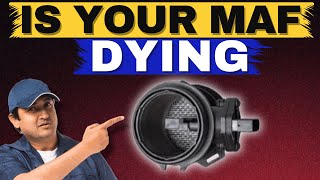
- A failing MAF sensor will cause a Check Engine Light (often code P0101), rough idle, poor acceleration, and bad gas mileage.
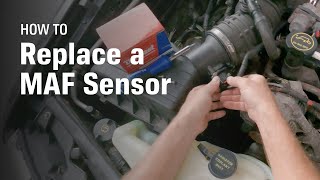
- Replacement is very easy for a DIYer, taking less than 30 minutes with basic tools.
- Always replace the engine air filter at the same time to protect the new sensor from contamination.
- For best results, choose a new sensor from a reputable aftermarket brand like Delphi or NGK; avoid remanufactured parts unless on a tight budget.
What a Failing Mass Air Flow Sensor Looks and Sounds Like
When the MAF sensor in your Genesis starts to fail, it sends incorrect information to the engine's computer. This can cause a variety of noticeable problems because the engine isn't getting the right air-to-fuel mixture. The most common cause of failure is simply the sensor's delicate electronic parts getting dirty or contaminated over time.
Key Failure Symptoms:
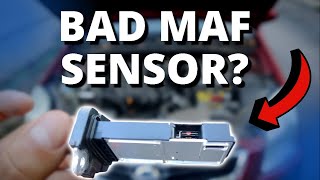
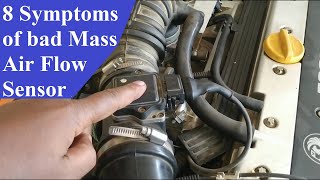
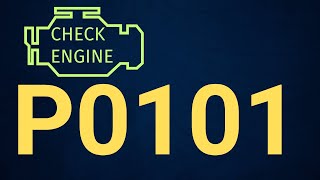
🎬 Watch: 11 common symptoms of a bad MAF sensor- Check Engine Light: This is often the first sign. The code stored in the computer is usually P0101, which points directly to a problem with the MAF sensor's performance. 🎬 See how to diagnose and fix a P0101 trouble code
- Rough Engine Performance: You might feel the engine jerking, hesitating, or surging when you accelerate. A rough or vibrating idle is also very common.
- Stalling and Starting Issues: The engine may be hard to start or stall completely, especially shortly after starting or when idling.
- Poor Fuel Economy: If you notice you're filling up your gas tank more often, a bad MAF sensor could be the cause.
- Black Exhaust Smoke: In some cases, you may see black smoke from the tailpipe, which means the engine is running "rich" (too much fuel).
No Recalls, But A Common Wear Item
Searches of NHTSA records and technical service bulletins (TSBs) show no specific recalls or widespread defects for the MAF sensor on the 2009-2015 Hyundai Genesis. Failure is typically due to age and contamination, making it a standard maintenance replacement part.
Choosing the Right Aftermarket MAF Sensor
When shopping for a replacement, you don't necessarily need to buy the expensive OEM part from a dealer. Many aftermarket brands offer excellent quality, but it's important to choose wisely as quality can vary. Aftermarket sensors are always new, while some brands also offer remanufactured options which are cheaper but can be less reliable.
Brand Quality Tiers
Tier 1: Premium Aftermarket (OEM-level Quality)
- Delphi: Delphi is an original equipment manufacturer for many car brands and has a strong reputation for producing high-quality sensors that are always new, never remanufactured. They are often considered a benchmark for accuracy and reliability.
- NGK (NTK): As a major OE supplier of sensors, NTK (the sensor division of NGK) parts are known for meeting or exceeding factory specifications and undergo extensive testing.
Pro Tip: For critical sensors like the MAF, spending a little more on a premium aftermarket brand like Delphi or NGK can prevent future headaches and ensure your Genesis runs as it should.
Tier 2: Standard Aftermarket (Reliable & Affordable)
- Walker Products: A well-known aftermarket brand that manufactures many of its sensors in the USA. They are generally considered a solid, cost-effective alternative to OEM.
- Standard Ignition (SMP) & Beck Arnley: Both are long-established brands in the auto parts industry offering reliable replacement components that fit and function correctly.
Tier 3: Economy Options
- Cardone: Offers both new and remanufactured parts, with remanufactured units providing significant savings. While cost-effective, a remanufactured sensor may have a shorter lifespan than a new part.
- Other Brands (DriveWire, Skyward, Spectra, etc.): These brands provide a functional replacement at a budget-friendly price. When choosing an economy option, pay close attention to the warranty and the seller's return policy.
Typical Replacement Costs
Replacing the MAF sensor on a Genesis is a simple job. A repair shop will likely charge for 30 minutes to an hour of labor.
| Part Type | Estimated Cost |
|---|---|
| New Aftermarket | $51 - $155 |
| New OEM (Dealer) | $150 - $250 |
| Remanufactured | $40 - $80 |
| Shop Labor | $60 - $120 |
Frequently Asked Questions
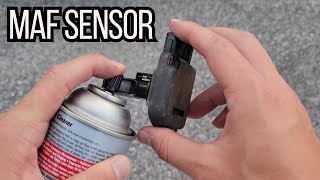
Can I just clean my old MAF sensor? 🎬 Watch this in-depth guide on how to clean your sensor
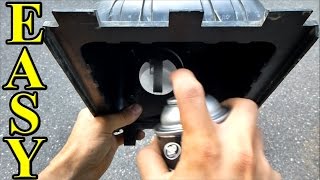
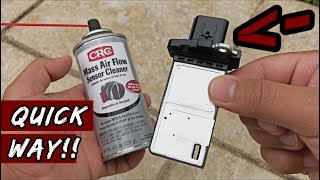
Sometimes, cleaning the sensor can solve the problem, especially if it's just dirty. You MUST use a dedicated MAF sensor cleaning spray. Do not touch the internal wires or film. While cleaning is worth a try, it is not a guaranteed or permanent fix; if the electronics are failing, replacement is the only solution.
Do I need to disconnect the battery or reset the computer?
Yes. It is highly recommended to disconnect the negative battery terminal before starting the replacement to prevent any electrical issues. After the new sensor is installed, reconnecting the battery will force the engine computer to clear its memory and re-learn the fuel trims with the new, accurate sensor data. You can also clear the codes with an OBD-II scanner.
What's the most common mistake when replacing a MAF sensor?
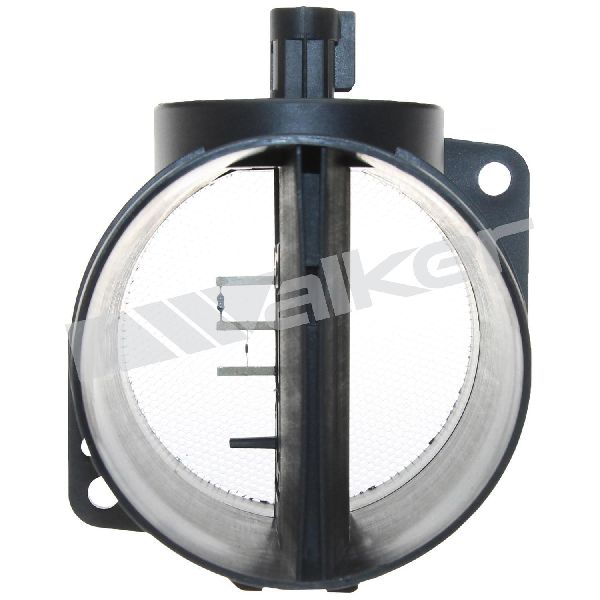
The biggest mistakes are touching the delicate sensor element with your fingers or tools, using the wrong type of cleaner (like brake or carb cleaner), or installing the new sensor backward. The sensor housing usually has an arrow indicating the direction of airflow, which should point toward the engine.
Should I replace my engine air filter at the same time?
Absolutely. A dirty or clogged air filter is a primary cause of MAF sensor contamination and failure. Replacing the air filter is a cheap and easy way to protect your new MAF sensor and ensure it provides accurate readings for a long time.
Helpful Videos


Technical Specifications
OEM Part Numbers: 28164-3C100 28164-3F100
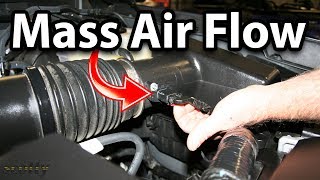
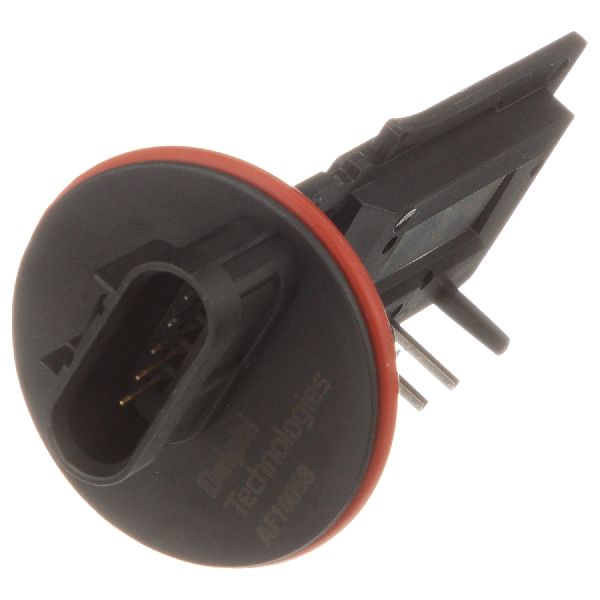
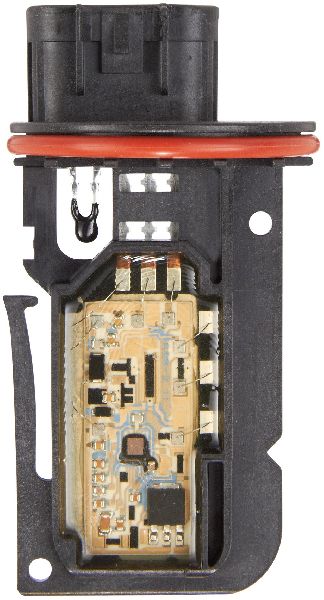
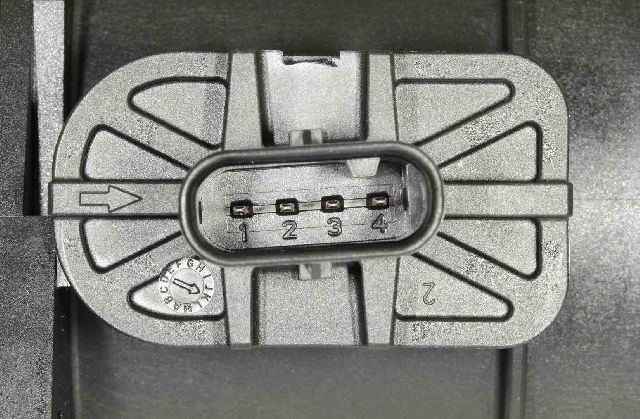
The MAF sensor for the Hyundai Genesis is a hot-film type sensor that mounts in the air intake duct between the air filter housing and the throttle body. It uses a 5-pin electrical connector. Part numbers can vary based on engine (3.8L, 4.6L, 5.0L) and model year, so always verify the correct part for your specific vehicle.
We Have This Part in Stock


The information in this article is provided for general reference and educational purposes only. Vehicle specifications, procedures, and part compatibility can vary by production date, trim level, and region. Always consult your vehicle's factory service manual and verify part numbers before purchasing or performing repairs. Safety-critical components such as airbags, seat belts, and braking systems should be installed by a qualified professional.
- Hyundai Genesis: