

A Practical Guide to Replacing Shocks and Struts on Your 2009-2015 Mazda 6
Restore your Mazda's sharp handling and smooth ride by diagnosing and choosing the right replacement shocks.
- For 2009-2013 models, check for the critical front subframe corrosion recall (NHTSA 19V-323) before any suspension work.
- Always replace shocks/struts in pairs and get a wheel alignment after replacing front struts to ensure safety and prevent tire damage.
- For an OEM-like ride, KYB Excel-G is a top choice; for a noticeable handling upgrade, consider Bilstein B6 or Koni.
- To save on future labor, replace strut mounts, bearings, and boots at the same time as the struts.
Is Your Mazda 6 Ride Not What It Used to Be?


The shocks and struts on your 2009-2015 Mazda 6 are wear-and-tear items. They don't last forever. Over time, the seals break down and the internal fluid that controls movement loses its effectiveness. Most shocks have a lifespan of 50,000 to 100,000 miles, but this can change depending on your road conditions and driving style. Recognizing the signs of failure is the first step to getting your car's ride and handling back.
Common Symptoms of Worn Shocks and Struts:
- Bouncy or Floating Ride: If the car feels like it's floating on the highway or continues to bounce up and down after hitting a bump, the shocks are no longer controlling the springs. A simple 'bounce test'—pushing down hard on one corner of the car—can confirm this; if it bounces more than once after you let go, the shock is likely worn.
- Clunking or Knocking Noises: A dull clunk or rattle from the suspension when driving over bumps is a very common complaint. This can be caused by the worn shock itself, or related parts like sway bar links or strut mounts.
- Nose-Diving and Squatting: When you brake hard, does the front of the car dip down excessively? Or does the rear end squat down when you accelerate? This indicates the shocks are failing to manage the car's weight transfer.
- Visible Fluid Leaks: Look at the body of the shock or strut. If you see oily, wet, or grimy buildup, it's a clear sign that the internal seal has failed and fluid has leaked out.
CRITICAL: Check for the Front Subframe Recall (2009-2013 Models)
For 2009-2013 Mazda 6 vehicles, especially those in states with road salt, a major safety recall (NHTSA #19V-323) was issued for front subframe corrosion. The rust can weaken the mounting point for the lower control arm, which could lead to a sudden loss of steering control. Before you or a mechanic replace any front suspension parts, verify with a Mazda dealer or on the NHTSA website that this recall has been addressed for your vehicle's VIN.
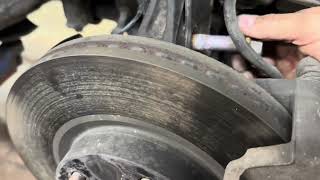
🎬 See a step-by-step walkthrough for replacing front struts.Choosing the Right Aftermarket Shocks for Your Mazda 6

You don't need to go to the dealer for replacements. Aftermarket parts offer a wide range of options, from budget-friendly to high-performance upgrades. Here’s how the common brands stack up for your Mazda 6.
Tier 1: Economy Replacements
These brands offer a low-cost solution to fix a worn-out suspension and are a good choice if you're on a tight budget. They will restore basic function but may not match the original ride quality or longevity of OEM or premium aftermarket parts.
- FCS Struts: Often found as a budget-friendly option, FCS provides complete strut assemblies that make for an easier installation.
- Monroe OESpectrum: A very common aftermarket brand, the OESpectrum line is designed to be a direct replacement that meets original equipment (OE) specifications.
Tier 2: OE-Style Quality
This is the sweet spot for most owners who want to restore the car's original "zoom-zoom" handling and ride quality without paying dealer prices. These parts are often made by the same companies that supply the original parts to Mazda.
- KYB Excel-G: KYB is a highly respected brand and a common choice for Mazda owners. Their Excel-G line is specifically engineered to restore a vehicle's original handling and control capabilities, making it a top choice for a factory-fresh feel.
Tier 3: Performance & Handling Upgrades
If you want to improve on the factory handling for a more responsive and sporty drive, these brands are the way to go. They are more expensive but offer a noticeable enhancement in performance, especially when cornering.
- Bilstein B6 (Performance): These are a significant upgrade over stock. They are designed to be used with your factory springs and provide much better handling, less body roll, and more precise steering without creating a harsh ride.
- Koni Sport (Yellows) & Special Active (Reds): Koni is a top name in performance suspension. The 'Yellow' Sport shocks are often adjustable, allowing you to fine-tune the stiffness for either aggressive handling or a more comfortable ride. The 'Red' Special Active shocks automatically adjust to road conditions, though some drivers feel they soften the classic Mazda ride feel.
Cost at a Glance: Replacing Rear Shocks & Front Struts
| Item | Estimated Cost |
|---|---|
| New OEM Parts (Pair) | $250 - $500 |
| New Aftermarket Parts (Pair) | $80 - $350 |
| Shop Labor (Pair) | $200 - $450 |
| Total Professional Job (Aftermarket) | $280 - $800 |
Pro Tip: Replace in Pairs and Do It All at Once
Always replace shocks and struts in pairs (both fronts or both rears) to ensure even handling and prevent pulling to one side. To save on labor costs down the road, it's smart to also replace the strut mounts, bearings, and dust boots at the same time you replace the struts. These small parts are inexpensive and wear out along with the strut.
Frequently Asked Questions (FAQ)

Do I need a wheel alignment after replacing shocks or struts?
Yes, absolutely. Replacing the front struts is a suspension-altering repair. A four-wheel alignment is mandatory afterward to ensure proper handling, safety, and to prevent rapid and uneven tire wear.
Can I replace just one shock?
You shouldn't. Shocks and struts should always be replaced in pairs (both front or both rear). A new shock will have different damping characteristics than the old one on the other side, which can make your car's handling unstable and unpredictable, especially in an emergency maneuver.
What's the difference between a shock and a strut?
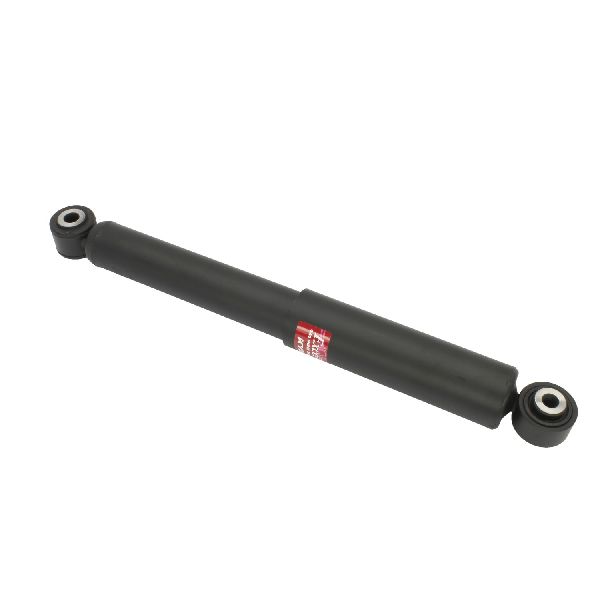
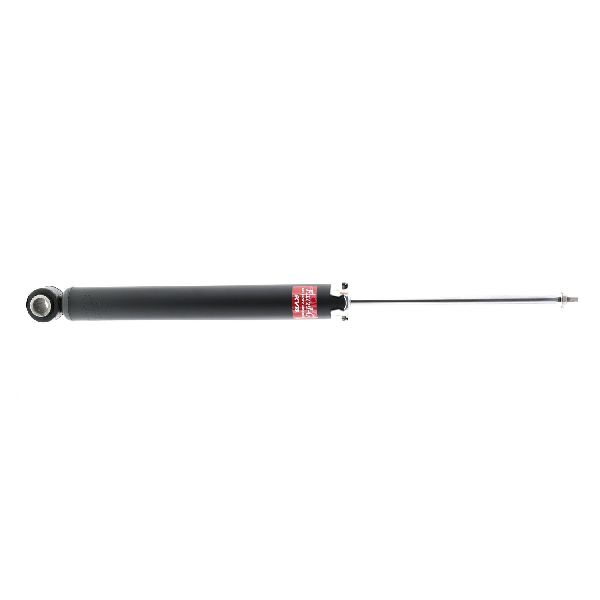
A shock absorber simply dampens suspension movement. A strut is a shock absorber that is also a structural part of the suspension, with the coil spring mounted on it, and it serves as a pivot for the steering. Your Mazda 6 has struts in the front and shocks in the rear.
Is the clunking noise always the strut?
Not always. While a bad strut can clunk, the noise could also come from a worn sway bar end link, a bad control arm bushing, or a failing upper strut mount. For 2014 and newer models, Mazda even issued Technical Service Bulletins (TSBs) for noise caused by a faulty front strut bearing, not the entire strut. A thorough inspection is needed to pinpoint the exact source.
Can I do this job myself?
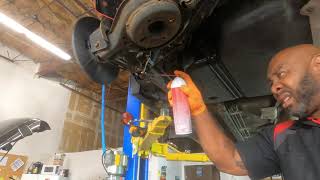
Replacing the rear shocks is a relatively straightforward DIY job. 🎬 Watch this guide on how to remove rear shocks. Replacing the front struts is more involved. If you buy a bare strut, you will need a dangerous tool called a spring compressor. A much safer and easier option for DIY is to buy a "complete" or "loaded" strut assembly, which includes the new strut, spring, and mount all in one piece.
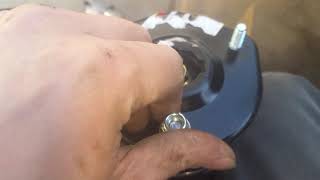
🎬 Watch: How to install complete front quick strut assemblies.Helpful Videos
Technical Specifications
OEM Part Numbers: GS3L28700D GJR928910P
The 2009-2015 Mazda 6 uses a MacPherson strut front suspension and a multi-link rear suspension with separate shock absorbers and coil springs. Front struts are different for the 2.5L I4 and 3.7L V6 engines on 2009-2013 models.
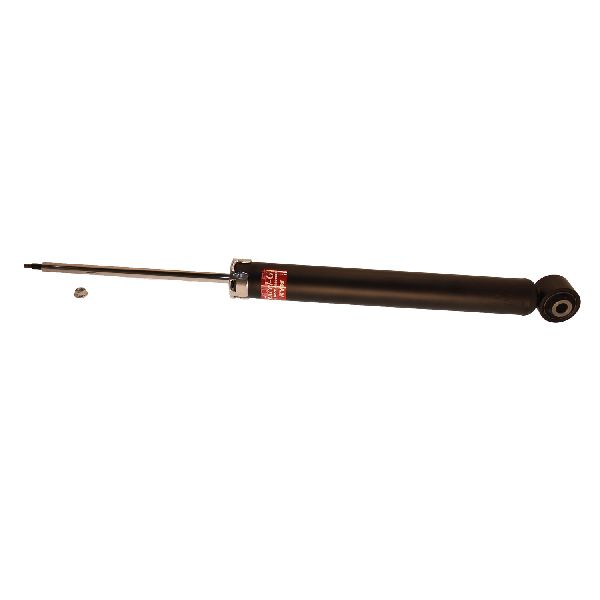
We Have This Part in Stock


The information in this article is provided for general reference and educational purposes only. Vehicle specifications, procedures, and part compatibility can vary by production date, trim level, and region. Always consult your vehicle's factory service manual and verify part numbers before purchasing or performing repairs. Safety-critical components such as airbags, seat belts, and braking systems should be installed by a qualified professional.
- Mazda 6:
- 🎬 Helpful Videos
- 🛍️ Shop This Part
- Is Your Mazda 6 Ride Not What It Used to Be?
- Common Symptoms of Worn Shocks and Struts:
- CRITICAL: Check for the Front Subframe Recall (2009-2013 Models)
- Choosing the Right Aftermarket Shocks for Your Mazda 6
- Tier 1: Economy Replacements
- Tier 2: OE-Style Quality
- Tier 3: Performance & Handling Upgrades
- Cost at a Glance: Replacing Rear Shocks & Front Struts
- Pro Tip: Replace in Pairs and Do It All at Once
- Frequently Asked Questions (FAQ)
- 🎟️ Get 5% Off