

A/C Receiver Drier Guide for 2009-2015 Nissan Maxima
Keep your Maxima's air conditioning blowing cold by understanding this critical, often-overlooked part.
- The A/C receiver drier MUST be replaced every time the A/C system is opened for service.
- Replacement is not a DIY job; it requires professional equipment to evacuate and recharge the refrigerant.
- Symptoms of failure include poor cooling, musty smells, and rattling noises.
- Choosing a quality brand like Denso or Four Seasons is recommended to protect your A/C system.
Why Your Maxima's A/C Receiver Drier Matters
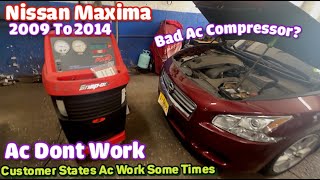
The A/C receiver drier is a key player in keeping your 2009-2015 Nissan Maxima's air conditioning running properly. Its main job is to absorb moisture and filter debris from the A/C system. If moisture is left in the system, it can mix with refrigerant and form corrosive acid, which can eat away at metal parts from the inside out. A failed drier can also lead to poor cooling, and in a worst-case scenario, the internal desiccant bag can rupture, sending debris throughout the entire system and causing catastrophic damage to the compressor. 🎬 See how a technician diagnoses a failed Maxima A/C compressor. For this reason, it is a mandatory replacement part whenever the A/C system is opened for any major repair, such as replacing the compressor or condenser.
Symptoms of a Failing A/C Receiver Drier
A bad receiver drier can cause several noticeable issues. If you experience any of these, it's time to have your A/C system inspected.
- Poor Cooling Performance: The most common symptom is that your A/C just doesn't blow as cold as it used to. This can happen if the drier is clogged and restricting refrigerant flow.
- Moldy or Musty Smell: If the drier is saturated with moisture and can no longer do its job, mold and mildew can grow inside the A/C system, causing a bad smell from the vents.
- Rattling Noises: If the desiccant bag inside the drier breaks apart, you might hear rattling sounds from the engine bay when the A/C is on. This is a serious issue that needs immediate attention to prevent further damage.
- Visible Refrigerant Leaks: While leaks can happen anywhere, a failing drier might show signs of oily residue or drips around its fittings.
Important Replacement Rule
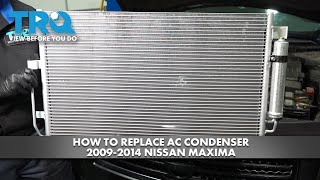
The A/C receiver drier must be replaced any time the A/C system is opened to the atmosphere (e.g., for a compressor, condenser, or hose replacement). 🎬 Watch: How to replace the A/C condenser on this Maxima. The desiccant material inside absorbs moisture from the air and becomes saturated almost immediately. Failing to replace it will void most warranties on new A/C compressors and lead to premature failure of the new parts.
Choosing the Right Aftermarket Receiver Drier
For the 2009-2015 Nissan Maxima, several aftermarket brands are available. Since the drier is a critical maintenance part, choosing a quality component is important.
- Denso: Denso is a highly respected brand and often the original equipment (OEM) manufacturer for many Japanese vehicles. Choosing a Denso drier is usually the safest bet for fit and quality, often considered a top-tier choice.
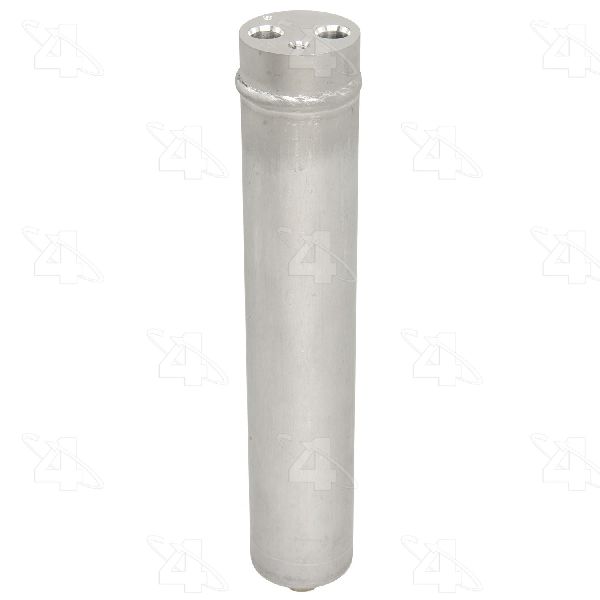
- Four Seasons: A very common and generally reliable aftermarket brand. Many owners and shops have used Four Seasons parts, including receiver driers, for years with good results. It's a solid mid-tier option.
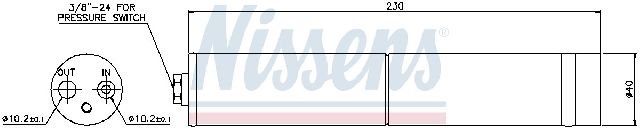
- Nissens: While Nissens makes a wide variety of A/C parts, some users have reported fitment issues or noise with their components, particularly compressors. While their driers may be fine, other brands have a more consistent reputation.
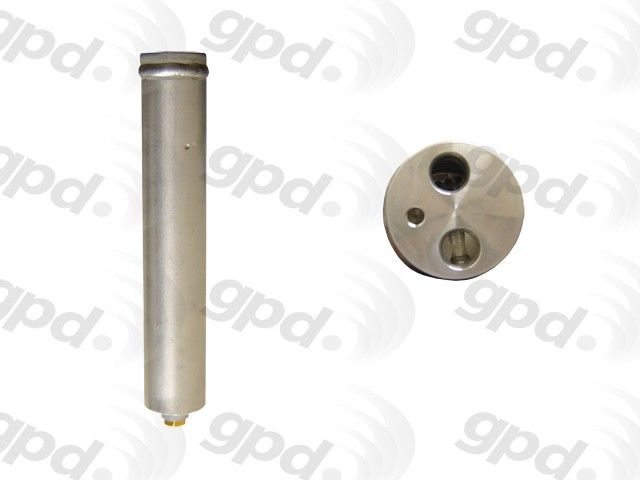
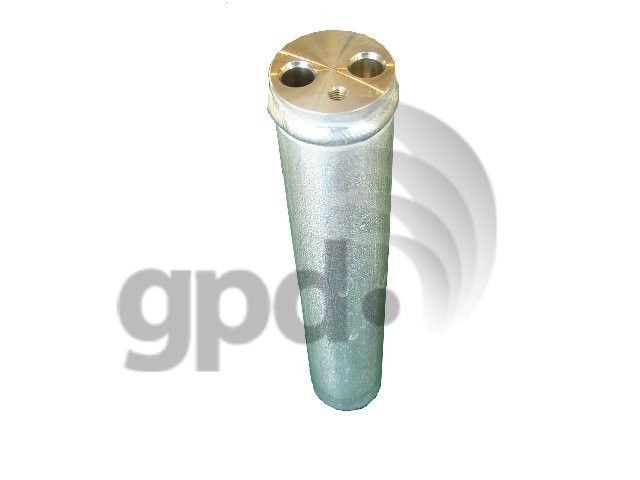
- Global Parts (GPD): GPD is a large aftermarket supplier that states its parts meet or exceed OE specifications and are leak-tested. They are generally considered a budget-friendly option.
Pro Tip: Given its critical role and the low cost of the part itself, opting for a trusted brand like Denso or Four Seasons is a wise investment to protect more expensive components like your A/C compressor.
Cost of Replacing the A/C Receiver Drier
Replacement costs can vary based on shop labor rates and whether other A/C work is being done at the same time. Remember, replacing the drier requires specialized equipment to recover and recharge the refrigerant.
| Item | Estimated Cost |
|---|---|
| New Aftermarket A/C Receiver Drier | $26.98 - $50.52 |
| Shop Labor (including system evacuation & recharge) | $235 - $345 |
| Total Estimated Cost (Aftermarket Part + Labor) | $262 - $395 |
Frequently Asked Questions
Can I replace the A/C receiver drier myself?
This is not recommended for most DIY mechanics. The job requires specialized equipment to safely recover the old refrigerant and then recharge the system after the new part is installed. Working with refrigerants is also regulated and can be hazardous. A video guide for the 2009-2014 Maxima shows the process involves accessing the part near the front of the vehicle, requiring removal of some plastic covers and potentially the grille. It's best left to a professional with the right tools.
🎬 Watch: Step-by-step guide for replacing the Maxima receiver drier.Where is the receiver drier located on the 2009-2015 Maxima?
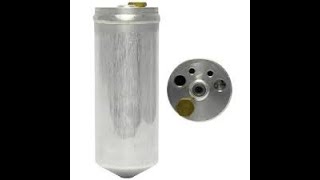
The A/C receiver drier is typically a small, can-like component attached to or located near the A/C condenser at the front of the vehicle, behind the grille. On these Maximas, it is situated on the passenger side of the condenser.
Do I need to add oil when replacing the receiver drier?
Yes. When you remove the old drier, you should pour the oil out of it into a measuring cup to see how much was inside. You must then add the same amount of new, correct-spec PAG oil to the new receiver drier before installation. This ensures the A/C system remains properly lubricated.
Are there any recalls for the A/C system on this Maxima?
Searches of NHTSA data did not show any specific recalls for the A/C receiver drier or A/C system components for the 2009-2015 Nissan Maxima. Recalls for this generation primarily concerned issues like strut insulators and airbag inflators.
Helpful Videos
Technical Specifications
The receiver drier is specific to the 2009-2015 Maxima's A/C system, which uses an expansion valve. It is located on the high-pressure side of the system. The part contains a desiccant material to absorb moisture and requires PAG oil for lubrication.
We Have This Part in Stock

The information in this article is provided for general reference and educational purposes only. Vehicle specifications, procedures, and part compatibility can vary by production date, trim level, and region. Always consult your vehicle's factory service manual and verify part numbers before purchasing or performing repairs. Safety-critical components such as airbags, seat belts, and braking systems should be installed by a qualified professional.
- Nissan Maxima: