

Oxygen Sensor Guide for the 2009-2015 Nissan Maxima
Understand your Maxima's oxygen sensors to restore fuel economy and engine performance.
- Your 2009-2015 Maxima has four oxygen sensors; use a code scanner to identify which one has failed before buying a replacement.
- For best results, choose a direct-fit sensor from an OEM-equivalent brand like Denso or NGK/NTK.
- The biggest challenge for DIY replacement is often removing the old sensor, which can be seized in the exhaust. Use penetrating oil and a proper O2 sensor socket.
- Ignoring a bad oxygen sensor can decrease fuel economy and eventually damage your catalytic converters, a much more expensive repair.
Symptoms of a Failing Oxygen Sensor


When an oxygen sensor starts to fail, your Maxima's computer gets bad information. This can cause a variety of noticeable problems. The most common sign is the Check Engine Light illuminating on your dashboard. You might also experience poor fuel economy, a rough idle, hesitation when you accelerate, or even a rotten egg smell from the exhaust. In severe cases, a bad sensor can lead to damage to your expensive catalytic converters over time.
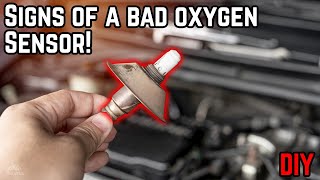
🎬 Watch: How to diagnose and spot signs of a bad sensor.How Many O2 Sensors Does a 2009-2015 Maxima Have?

Your Maxima is equipped with four oxygen sensors. The V6 engine has two banks of cylinders. Bank 1 is the cylinder bank located near the firewall (back of the engine bay), and Bank 2 is near the radiator (front of the engine bay). Each bank has two sensors:
- Bank 1, Sensor 1: Upstream sensor, on the rear exhaust manifold.
- Bank 1, Sensor 2: Downstream sensor, after the rear catalytic converter.
- Bank 2, Sensor 1: Upstream sensor, on the front exhaust manifold.
- Bank 2, Sensor 2: Downstream sensor, after the front catalytic converter.
Pro Tip: Identify the Correct Bank
Before ordering a part, confirm which sensor has failed. A code scanner will point you to the specific bank and sensor number. Remember, for the 2009-2015 Maxima, Bank 1 is by the firewall and Bank 2 is by the radiator. Getting this right saves you from buying and installing the wrong part.
Choosing the Right Aftermarket Oxygen Sensor

When replacing an oxygen sensor, you have a choice between OEM and aftermarket parts. For Nissans, many owners and mechanics report excellent results with specific aftermarket brands that are often the original equipment suppliers.
- Top Tier (OEM or Equivalent): Denso and NGK (also sold as NTK) are highly recommended for Nissan vehicles. Many consider these to be the same quality as the part you'd get from a Nissan dealer, often because they are the original manufacturers. These offer the best compatibility and reliability.
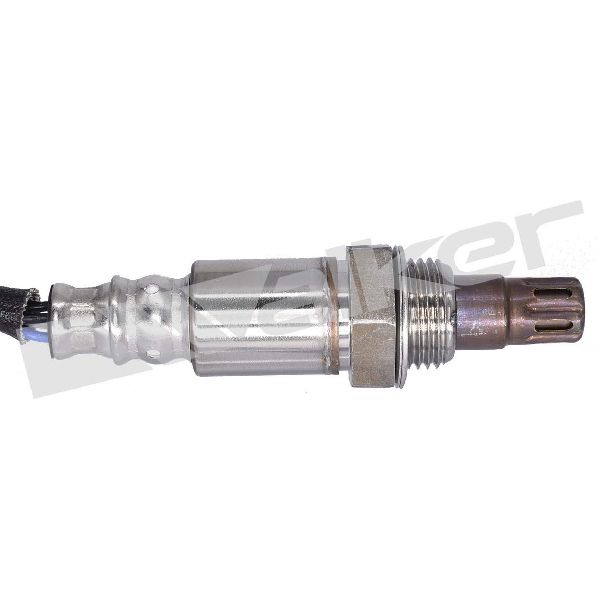
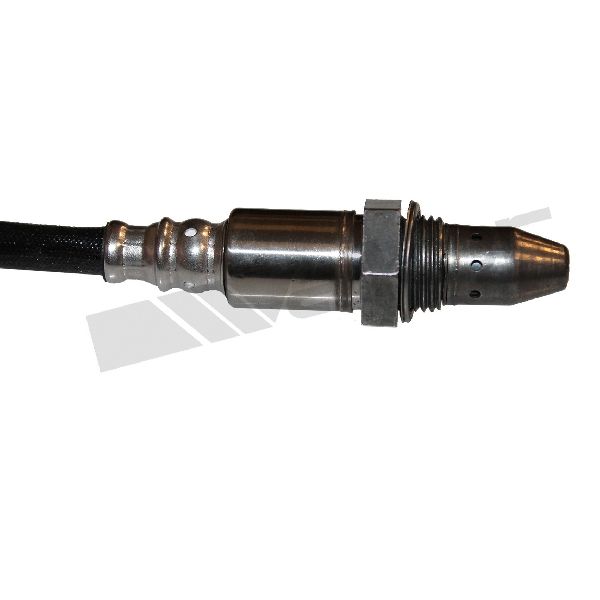
- Mid-Tier (Reputable Aftermarket): Bosch is a well-known brand that invented the oxygen sensor. While their quality is generally good, some mechanics and owners prefer to stick with Denso or NGK for Japanese vehicles like Nissan to ensure perfect compatibility. Delphi and Walker Products also fall into this category as reliable aftermarket options.
- Value Tier (Budget-Friendly): Brands like DriveWire and other private labels offer a lower-cost alternative. While they can work, they may not have the same longevity or precise calibration as the top-tier brands. For a critical part like an air-fuel ratio sensor, investing in a higher-quality brand is often worth it to avoid future issues.
A Note on "Universal" Sensors
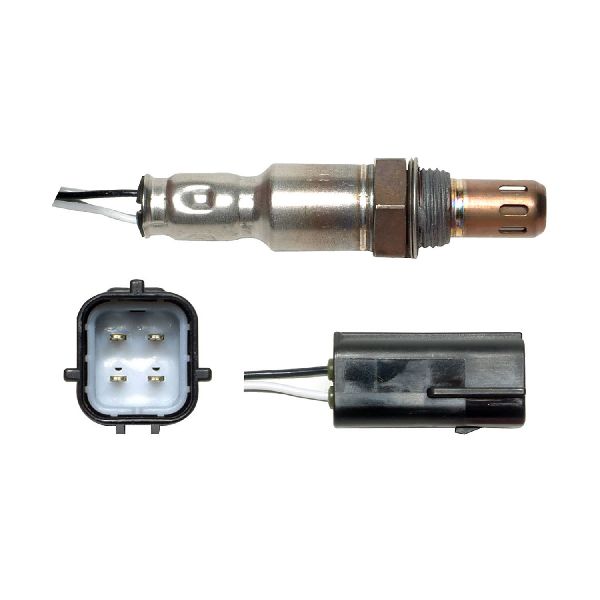
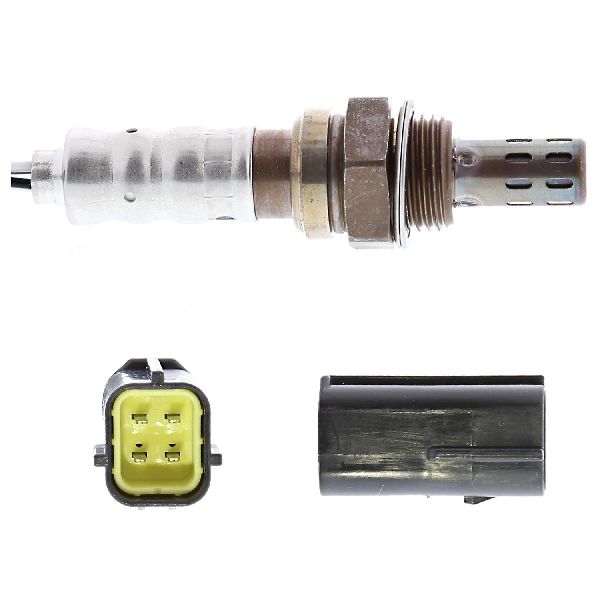
You may see "universal" oxygen sensors that require you to splice the new sensor into your old wiring connector. While cheaper, this introduces a potential point of failure. It is strongly recommended to use a "direct-fit" sensor that comes with the correct plug for your Maxima for an easier and more reliable installation.
Known Issues, Recalls, and TSBs
While there are no direct recalls for oxygen sensors on the 2009-2015 Maxima, a recall (R1620) was issued for some 2016 models (and other Nissans) for an ECM software issue. This issue could cause the rear O2 sensor signal to fail without triggering a warning light. The fix was a software update performed by the dealer. No other widespread TSBs or recalls specifically targeting O2 sensor failure on the 2009-2015 models were found during research.
Cost of Replacing an Oxygen Sensor on a 2009-2015 Nissan Maxima
| Part / Service | Estimated Cost |
|---|---|
| New Aftermarket Oxygen Sensor | $53 - $325 (per sensor) |
| New OEM Oxygen Sensor | $150 - $350+ (per sensor) |
| Shop Labor | $100 - $250 (per sensor) |
Note: Costs are estimates and can vary based on your location, the specific sensor being replaced (upstream sensors are often more expensive), and the shop's labor rates. The rear sensors can be more difficult to access, potentially increasing labor time.
Frequently Asked Questions
Can I replace just one oxygen sensor?
Yes. You only need to replace the sensor that has failed. A diagnostic scan tool will provide a trouble code that identifies the specific sensor (e.g., Bank 1, Sensor 2) that needs replacement.
Is it hard to replace a Maxima oxygen sensor?
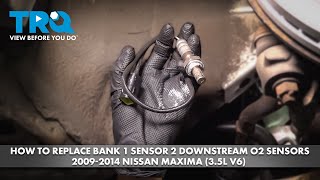
The difficulty varies. The front upstream sensor (Bank 2, Sensor 1) is often the easiest to access. The rear upstream sensor (Bank 1, Sensor 1) by the firewall is much more difficult due to tight space. 🎬 Watch: How to replace the difficult rear Bank 1 Sensor 1. Downstream sensors require getting under the car. The biggest challenge is often removing the old sensor, which can be seized in the exhaust pipe due to rust and heat. Using penetrating oil and a special O2 sensor socket is highly recommended.
What tools do I need to change an O2 sensor?
You will typically need a ratchet, a special 22mm (or 7/8") oxygen sensor socket (which has a slot for the wire), and potentially some socket extensions or a swivel head. Applying anti-seize compound to the threads of the new sensor (if not pre-applied) is crucial.
Should I clean my oxygen sensor instead of replacing it?
Cleaning is generally not a reliable or long-term fix. The internal components of the sensor wear out or fail electrically, which cleaning cannot resolve. Replacement is the correct repair for a failed sensor.
Helpful Videos
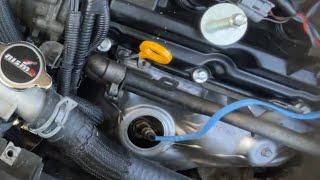
Technical Specifications
OEM Part Numbers: 22693-1FN0A 226A0-JA10C
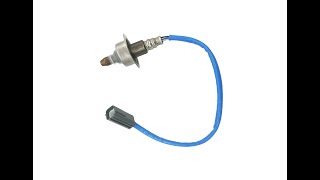
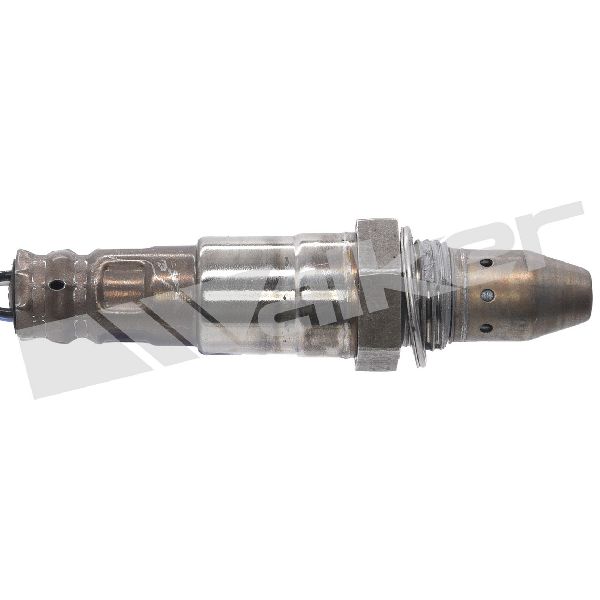
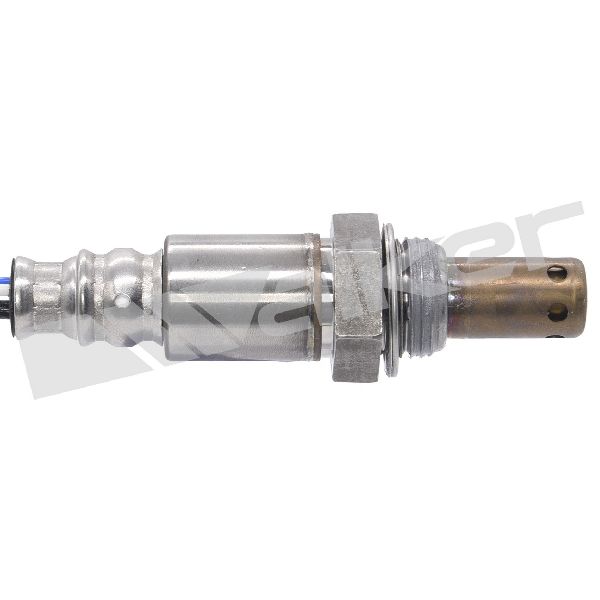
The 2009-2015 Nissan Maxima uses four heated oxygen sensors. The upstream sensors are air-fuel ratio sensors, while the downstream sensors monitor catalyst efficiency. All require a 22mm (7/8") socket for removal and installation.
We Have This Part in Stock

The information in this article is provided for general reference and educational purposes only. Vehicle specifications, procedures, and part compatibility can vary by production date, trim level, and region. Always consult your vehicle's factory service manual and verify part numbers before purchasing or performing repairs. Safety-critical components such as airbags, seat belts, and braking systems should be installed by a qualified professional.
- Nissan Maxima:
- 🎬 Helpful Videos
- 🛍️ Shop This Part
- Symptoms of a Failing Oxygen Sensor
- How Many O2 Sensors Does a 2009-2015 Maxima Have?
- Pro Tip: Identify the Correct Bank
- Choosing the Right Aftermarket Oxygen Sensor
- A Note on "Universal" Sensors
- Known Issues, Recalls, and TSBs
- Cost of Replacing an Oxygen Sensor on a 2009-2015 Nissan Maxima
- Frequently Asked Questions
- 🎟️ Get 5% Off