

BMW 528i xDrive Engine Coolant Temperature Sensor Guide (2009-2016)
A failing coolant sensor can cause overheating and poor performance; here’s how to choose the right replacement for your specific 528i xDrive.
- First, confirm your engine: 2009-2010 models use the N52 engine, while 2012-2016 models use the N20 engine. They use different parts.
- Symptoms like overheating, poor MPG, and a check engine light are common signs of failure.
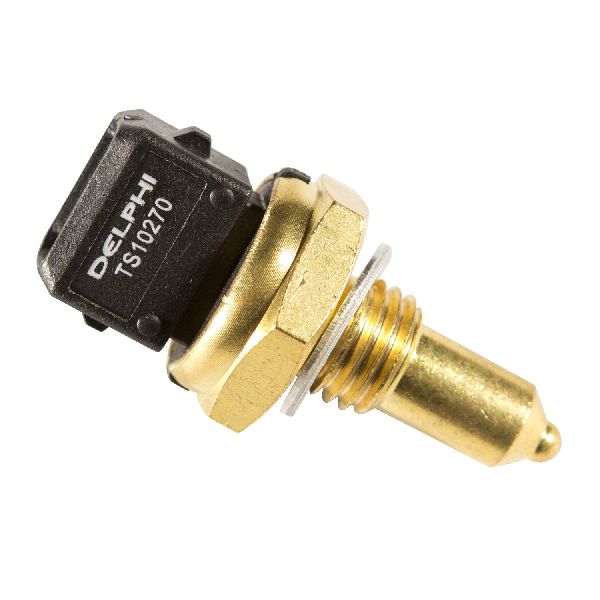
- High-quality aftermarket brands like Delphi, Vemo, or NGK offer reliable performance for a lower cost than the OEM part.
- Do not ignore a bad sensor, as it can lead to severe engine damage from overheating.
Understanding Your 528i xDrive: Two Different Engines
The most important thing to know when buying this part for a 2009-2016 BMW 528i xDrive is that two different engines were used during this period. The wrong part will not work. You must identify your engine before ordering.
- 2009-2010 models (E60 chassis): These cars have the 3.0L 6-cylinder N52 engine.
- 2012-2016 models (F10 chassis): These cars have the 2.0L 4-cylinder turbocharged N20 engine.
Symptoms of a Failing Coolant Temperature Sensor
When the coolant temperature sensor starts to fail, it can send incorrect information to your car's computer, leading to a variety of problems. You may notice one or more of the following issues:
- Check Engine Light: This is often the first sign. The computer will store fault codes like P0117 (low input) or P0118 (high input).
- Poor Fuel Economy: If the sensor tells the computer the engine is always cold, it will inject too much fuel, wasting gas.
- Engine Overheating: A failed sensor might not signal the cooling fans to turn on when needed, causing the engine to get too hot.
- Black Smoke from Exhaust: An overly rich fuel mixture may not burn completely, resulting in black smoke.
- Rough Idle and Stalling: The incorrect fuel mixture can cause the engine to run poorly, especially at idle.
Choosing the Right Aftermarket Part
For a simple sensor like this, you don't necessarily need to buy the expensive Genuine BMW part. Many aftermarket brands provide excellent quality and value. The brands available can be grouped into tiers based on reputation among BMW enthusiasts.
- Top-Tier Aftermarket (OEM-level quality): Brands like Delphi and Vemo are often original equipment suppliers to German automakers. NGK (NTK) and Standard Ignition (SMP) are also highly regarded for their sensor quality. These are excellent choices for reliability that meets or exceeds OEM specs.
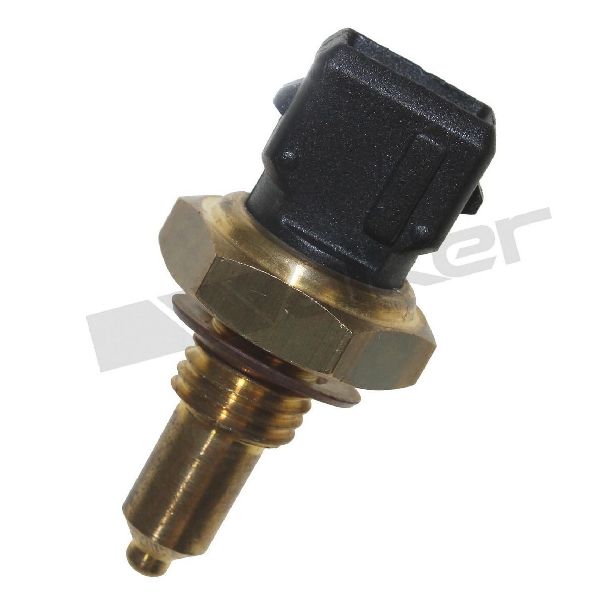
- Reliable Mid-Tier: Beck Arnley is a well-known importer that often sources parts from the original manufacturers, making them a solid choice. Holstein and Walker Products also offer reliable replacement options.
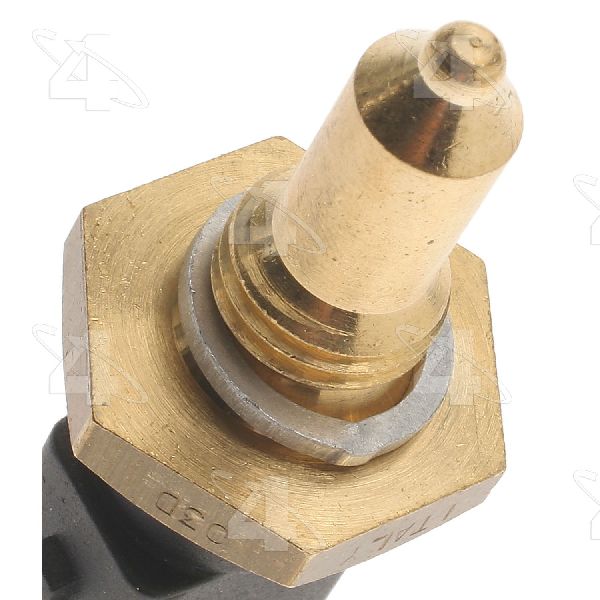
- Value-Oriented: Brands like Four Seasons and Global Parts are typically more budget-friendly. They can be a good option for a cost-effective repair, though they may not have the same long-term track record as the top-tier brands.
Cost of Replacing the Engine Coolant Temperature Sensor
| Part/Service | Estimated Cost |
|---|---|
| New Aftermarket Sensor | $19 - $35 |
| New OEM (Genuine BMW) Sensor | $45 - $70 |
| Shop Labor | $95 - $140 |
| Total Professional Replacement | $114 - $210 (Aftermarket) / $140 - $210 (OEM) |
Note: Costs are estimates and can vary based on your location and the specific repair shop. The labor estimate is for replacing the primary sensor.
Frequently Asked Questions (FAQ)
Where is the engine coolant temperature sensor located?
The location depends on your engine. On the N52 engine (2009-2010), the main sensor is on the cylinder head, near the oil filter housing. On the N20 engine (2012-2016), it is also located on the cylinder head. A second sensor for the radiator fan is located on the lower radiator hose on some models.
Is this a difficult DIY job?
For a moderately experienced DIYer, this is a manageable job. It requires basic tools, and the key is to work on a completely cold engine to avoid burns from hot coolant. You will lose a small amount of coolant, so have some BMW-approved coolant ready to top off the system. After replacement, the cooling system must be properly bled to remove air pockets.
Are there any recalls for this sensor?
There are no specific recalls for the coolant temperature sensor itself. However, there is a significant recall (NHTSA #24V608) for the 2012-2016 528i xDrive related to the electric water pump connector, which can short circuit and pose a fire risk. It is critical to ensure this recall service has been performed by a BMW dealer.
What happens if I don't replace a bad sensor?
Ignoring a faulty coolant sensor is not recommended. It can lead to persistently poor fuel economy, failed emissions tests, and a rough-running engine. Most importantly, if the sensor fails to report an overheating condition, you risk severe and expensive engine damage, such as a warped cylinder head or blown head gasket.
Technical Specifications
OEM Part Numbers: 13621433076 13621433077 13627535068
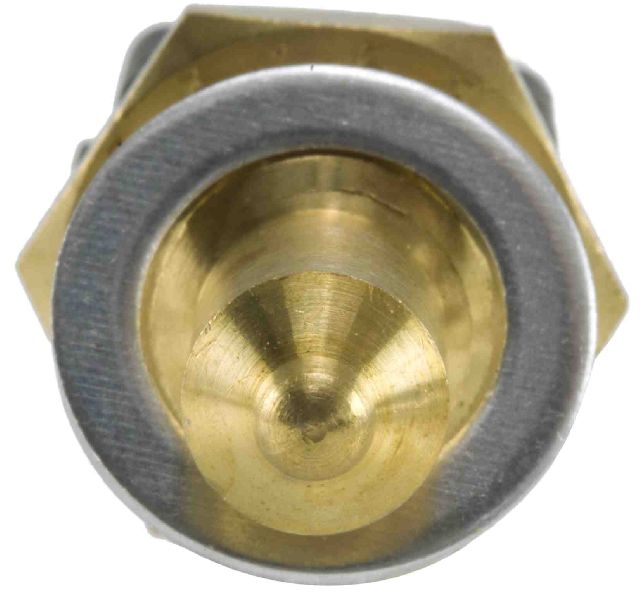
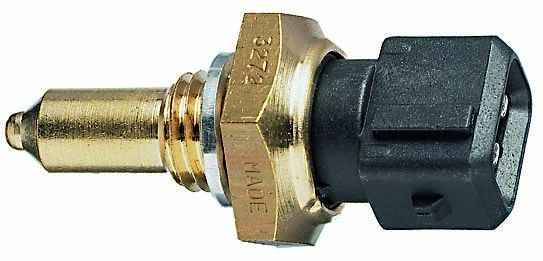
Typically a 2-pin sensor that functions as a negative temperature coefficient (NTC) thermistor. Resistance decreases as coolant temperature increases. Always verify the specific part number for your vehicle's engine (N52 vs. N20).
We Have This Part in Stock


The information in this article is provided for general reference and educational purposes only. Vehicle specifications, procedures, and part compatibility can vary by production date, trim level, and region. Always consult your vehicle's factory service manual and verify part numbers before purchasing or performing repairs. Safety-critical components such as airbags, seat belts, and braking systems should be installed by a qualified professional.
- BMW 528i xDrive: