

Chevrolet Camaro Engine Oil Pressure Switch Guide (2009-2016)
Understanding the common oil pressure sensor issues in your 2009-2016 Camaro and how to choose the right replacement part.
- A faulty oil pressure switch is a common issue, causing erratic gauge readings and warning lights.
- On V8 models, the sensor is very difficult to access; consider a higher-quality brand to avoid repeat labor.
- Always replace the small filter screen under the sensor on V8 engines to prevent future issues.
- If a new sensor doesn't solve the problem, investigate TSBs related to the oil pump relief valve or clogged passages.
Is Your Camaro's Oil Pressure Gauge Acting Up?

A faulty engine oil pressure switch is a known issue for 2009-2016 Chevrolet Camaro owners. Symptoms often start with an erratic gauge, a flickering warning light, or a reading that's stuck at zero or maximum. While alarming, it doesn't always mean your engine is in immediate danger. Often, the sensor itself is the culprit, not the actual oil pressure. However, because the risk of engine damage is high if the pressure is truly low, you should investigate these symptoms immediately.
Don't Ignore Low Pressure Warnings
If your dashboard shows a "Low Oil Pressure - Shut Off Engine" message, you should stop the car as soon as it is safe to do so and turn off the engine. While it could be a faulty sensor, it could also be a serious mechanical issue. Continuing to drive could lead to severe engine damage.
Common Failure Symptoms

Recognizing the signs of a failing oil pressure switch can save you from unnecessary worry and diagnostic costs. Here’s what to look for:
🎬 Watch this video to learn about common sensor warning signs.- Incorrect Gauge Reading: The most common sign is the oil pressure gauge on your dash behaving strangely. It might read zero, be maxed out, or fluctuate wildly during driving.
- Oil Pressure Warning Light: The oil can warning light may flicker or stay on constantly. This can happen even if a manual pressure check shows the pressure is normal.
- Check Engine Light: A failing sensor can trigger the Check Engine Light. Common trouble codes include P0520, P0521, P0522, and P0523.
- Oil Leaks: The sensor itself can develop a leak over time, leaving oily residue on the engine block near its location.
Known Issues for 2009-2016 Camaros

For V8 models (L99, LS3, LSA), a low oil pressure reading isn't always the sensor's fault. General Motors has issued Technical Service Bulletins (TSBs) for related problems:
- Sticking Oil Pump Pressure Relief Valve: TSB PIP4158H notes that V8 engines can experience low or no oil pressure due to a sticking relief valve in the oil pump. This can be intermittent, sometimes correcting itself after the engine cools. If a new sensor doesn't fix the issue, this is the next logical item to investigate.
- Valve Lifter Oil Filter: TSB PIP4786 suggests that before replacing parts for a low oil pressure reading, the small filter screen for the valve lifter oil manifold should be inspected. If this screen gets clogged with sludge, it can restrict oil flow to the sensor, causing a false low reading. This is especially relevant for engines with Active Fuel Management (AFM). 🎬 See a diagnosis of low oil pressure on a V8 Camaro.
Choosing the Right Aftermarket Part

When your original sensor fails, you have a choice between OEM (ACDelco) and various aftermarket brands. For a critical sensor like this, quality matters.
OEM vs. Aftermarket Quality:
The original AC Delco sensor is the benchmark for quality and fitment. However, many owners have successfully used aftermarket options. High-quality aftermarket brands design their parts to meet or exceed OEM specifications. Some Reddit users report success with brands like Wells, while others caution against lower-tier brands, which may fail prematurely. Given the difficult location of the sensor on V8 models, it's often worth paying a little more for a reputable brand to avoid doing the job twice.
Brand Tiers (Based on Market Perception):
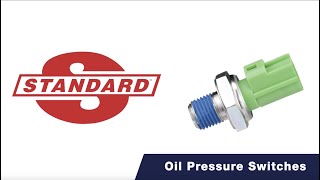
- Tier 1 (Premium Aftermarket): Standard Ignition (Standard Motor Products) and Vemo are generally considered reliable, with robust testing and quality control. Standard, for example, manufactures its switches in an IATF 16949 certified facility. 🎬 Learn how premium aftermarket oil pressure switches are manufactured.
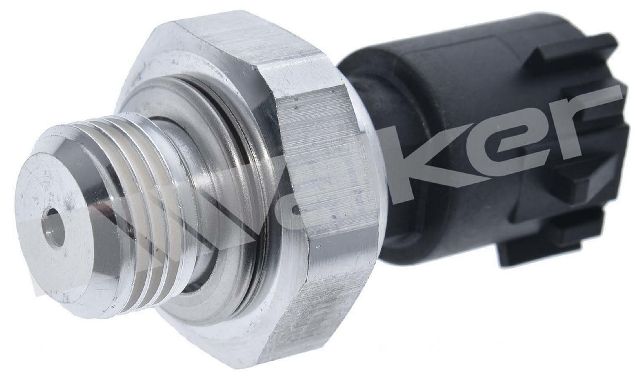
- Tier 2 (Standard Aftermarket): Brands like Walker Products and True Tech offer a balance of affordability and performance. While many users have no issues, forum discussions occasionally mention inconsistent quality compared to premium brands.
- Tier 3 (Economy): Global Parts and other value-focused brands are the most budget-friendly. They can be a viable option, but may have a shorter lifespan. For a hard-to-reach part, the labor cost of a second replacement can quickly outweigh the initial savings.
Pro Tip: Replace the Filter Screen
On V8 engines, there is a small, thimble-shaped filter screen located in the block underneath the oil pressure sensor. This screen can become clogged and should always be replaced when you replace the sensor. Many aftermarket sensors do not include this filter, so be sure to purchase it separately.
Cost of Replacing the Engine Oil Pressure Switch
| Part Type | Price Range |
|---|---|
| New Aftermarket | $12.17 - $81.18 |
| New OEM (ACDelco) | $55 - $85 |
| Shop Labor | $100 - $350 |
(Pricing is an estimate and may vary based on location and vehicle engine type.)
Frequently Asked Questions
Where is the oil pressure switch located on my Camaro?
For V6 (LFX) engines: The sensor is located on the driver's side of the engine block, below the ignition coils and near the high-pressure fuel pump. It is relatively accessible after removing the engine cover and air intake duct.
For V8 (LS3, L99) engines: The sensor is in a much more difficult location. It is at the very back of the engine, behind the intake manifold, near the firewall. Replacement often requires removing the intake manifold for access, though some mechanics can reach it without doing so.
Can I replace the oil pressure switch myself?
For V6 owners: Yes, this is a DIY-friendly job that requires basic hand tools and should take less than an hour.
For V8 owners: This is a more advanced job due to the sensor's location. While it can be done at home, it requires patience and potentially removing the intake manifold. If you are not comfortable with that level of work, it's best left to a professional.
Do I need a special tool to replace the sensor?
Yes, you will need a special deep socket designed for oil pressure sending units. A standard deep socket will not fit over the sensor's body. These are readily available at auto parts stores.
My new sensor is installed, but the gauge is still wrong. What now?
If a new sensor doesn't fix the problem, you may have a different issue. First, check the wiring and connector for damage or oil contamination. On V8 models, the problem could be a clogged lifter oil filter screen or the sticking oil pump relief valve mentioned in GM's service bulletins. A mechanic can perform a manual pressure test to confirm if the engine has proper oil pressure.
Helpful Videos
Technical Specifications
OEM Part Numbers: 12673134
The sensor for the 2009-2016 Camaro is a 3-pin electronic pressure transducer. V8 models have a small, replaceable filter screen located in the engine block directly below the sensor.
We Have This Part in Stock


The information in this article is provided for general reference and educational purposes only. Vehicle specifications, procedures, and part compatibility can vary by production date, trim level, and region. Always consult your vehicle's factory service manual and verify part numbers before purchasing or performing repairs. Safety-critical components such as airbags, seat belts, and braking systems should be installed by a qualified professional.
- Chevrolet Camaro:
- 🎬 Helpful Videos
- 🛍️ Shop This Part
- Is Your Camaro's Oil Pressure Gauge Acting Up?
- Don't Ignore Low Pressure Warnings
- Common Failure Symptoms
- Known Issues for 2009-2016 Camaros
- Choosing the Right Aftermarket Part
- Pro Tip: Replace the Filter Screen
- Cost of Replacing the Engine Oil Pressure Switch
- Frequently Asked Questions
- 🎟️ Get 5% Off