

Honda Pilot Crankshaft Position Sensor: A Guide for 2009-2016 Models
Understanding the signs of a failing crankshaft sensor and how to choose the right replacement for your Pilot.
- A failing crankshaft sensor will cause stalling or a no-start condition; do not drive if you have these symptoms.
- For a reliable repair, choose an OEM-equivalent brand like Denso or NTK; avoid the cheapest sensors.
- After replacement, a 'CKP Pattern Relearn' procedure is mandatory for the engine to run correctly.
- Owners of 2016 Pilots should check their VIN for a separate, serious recall related to the crankshaft itself.
Is Your Honda Pilot Stalling or Not Starting? It Could Be the Crankshaft Sensor

If you own a 2009-2016 Honda Pilot, a failing crankshaft position sensor can cause a range of frustrating engine problems. These issues can appear suddenly, from stalling at a stoplight to the engine refusing to start at all. This sensor is vital for your engine's operation, and when it fails, it can leave you stranded. Understanding the symptoms and knowing how to choose a quality replacement part is key to a reliable repair.
Symptoms of a Failing Crankshaft Position Sensor

A bad crankshaft sensor will almost always trigger the Check Engine Light. If you see the light, getting the codes read is the first step. You will likely see code P0335 (Crankshaft Position Sensor 'A' Circuit Malfunction). Beyond the warning light, you may experience one or more of the following:
- Engine Will Not Start: The most serious symptom. The engine will turn over (crank), but it won't fire up because the computer doesn't know when to send spark and fuel.
- Intermittent Stalling: The engine may shut off unexpectedly while driving or idling. This can sometimes be related to engine temperature; it might stall when hot and restart only after cooling down.
- Rough Idle and Engine Vibration: The engine may run poorly, shake, or vibrate at idle because the timing is incorrect.
- Poor Acceleration: You may notice a significant lack of power or hesitation when you press the gas pedal.
- Reduced Fuel Economy: Incorrect timing information can cause the engine to use more fuel than necessary.
Important Note for 2016 Honda Pilot Owners
Certain 2016 Honda Pilot models were part of a recall and a wider investigation concerning improperly manufactured crankshafts and connecting rod bearings. Symptoms of this issue can include engine knocking, loss of power, and complete engine failure. While this is not a sensor problem, the symptoms can be similar and are far more severe. It is critical to have a dealer check your Vehicle Identification Number (VIN) for any open recalls.
Choosing the Right Aftermarket Sensor

When it comes to critical electronic sensors for a Honda, not all aftermarket brands are created equal. Using a low-quality sensor can lead to continued problems or premature failure. Here is a breakdown of brand quality based on mechanic and owner experiences.
Tier 1: OEM Equivalent Brands
- Denso: Denso is the original equipment manufacturer (OEM) for many of Honda's electronic parts. Choosing a Denso sensor is as close as you can get to buying the part directly from a Honda dealer, often at a lower cost. This is the most recommended choice.
- NGK / NTK: Another top-tier Japanese manufacturer that is a trusted OEM supplier. An NTK-branded sensor is an excellent and reliable choice for any Honda.
Tier 2: Reputable Aftermarket Brands
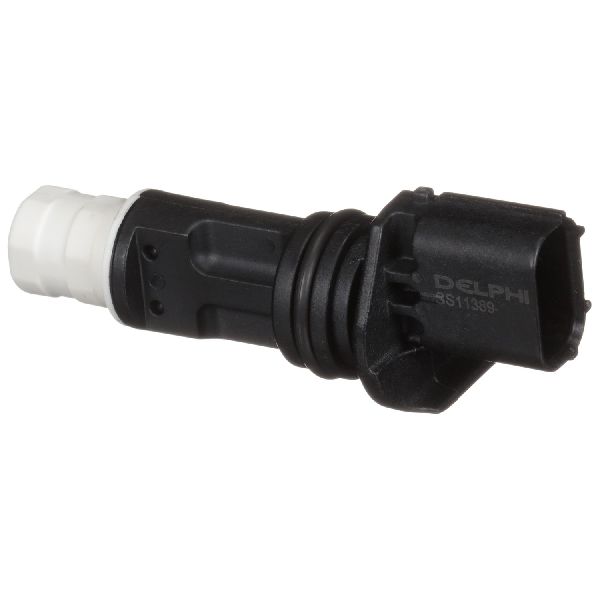
- Delphi: A well-known global parts supplier with a generally good reputation for quality electronics. A solid choice if Denso or NTK are not available.
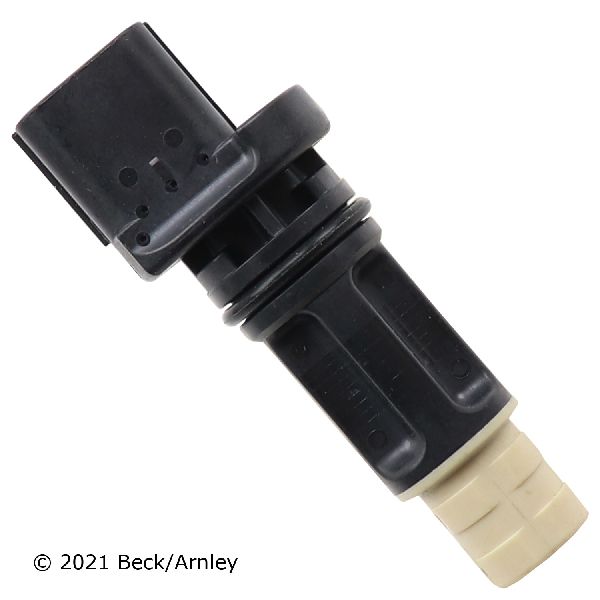
- Beck Arnley: This brand specializes in parts for foreign nameplate vehicles and often sources its components from OEM suppliers. Quality is typically very good.
- Standard Ignition (SMP): A long-standing aftermarket company that produces reliable sensors.
Tier 3: Economy Brands
- Dorman, Walker, Holstein, etc.: While these brands offer an attractive price, their electronic sensors have mixed reviews. Many professional technicians report higher failure rates with economy-tier sensors. While they may work, they carry a higher risk of being faulty out of the box or failing sooner than a Tier 1 or Tier 2 part. It may be worth spending more to avoid doing the job twice.
Replacement Cost and Labor

Replacing the crankshaft sensor on a 2009-2016 Pilot is a relatively simple job for a qualified mechanic or an experienced DIYer.
| Item | Estimated Cost |
|---|---|
| New OEM Sensor | $130 - $165 |
| New Aftermarket Sensor | $40 - $85 |
| Shop Labor | $75 - $200 |
| Total Professional Repair | $115 - $285 |
DIY Replacement Tip
On the 2009-2015 Pilot, the sensor is located on the bottom of the engine, between the engine block and the transmission. It is held by a single 10mm bolt and is accessible after removing a small metal cover. CRITICAL: After replacing the sensor, the vehicle's computer must perform a 'CKP Pattern Relearn' procedure. This can be done with a professional scan tool or by following a specific manual procedure of driving and decelerating the vehicle in a set pattern. Failure to perform the relearn can result in a persistent check engine light or running issues.
Frequently Asked Questions (FAQ)
Can I still drive my Pilot with a bad crankshaft sensor?
It is not recommended. If the sensor is failing intermittently, it can cause the engine to stall at any time, which is a serious safety risk. If the sensor has failed completely, the engine will not start at all.
What is the 'crank relearn' procedure and is it necessary?
The crank relearn, or CKP Pattern Learn, is a process that allows the engine's computer to learn the specific signal from the new sensor. It is absolutely necessary. Without it, the computer may rely on old data, causing a check engine light, poor performance, or misfire detection issues. The procedure can be done with a scan tool or by following a specific driving cycle.
Why shouldn't I just buy the cheapest sensor available?
Honda engine management systems are sensitive to the signals from their sensors. Cheaper, lower-quality sensors may not have the same precision or durability as OEM or top-tier aftermarket parts. This can lead to them failing quickly, not working correctly out of the box, or causing subtle performance problems that are hard to diagnose. Spending a little more on a quality brand like Denso or NTK is a wise investment.
Is there a recall on the crankshaft position sensor for the 2009-2016 Honda Pilot?
No, there are no specific recalls for the crankshaft position sensor itself. However, some 2016 models are affected by a serious recall for the crankshaft itself, which can cause engine failure. Always check with a Honda dealer to see if your vehicle has any open safety recalls.
Helpful Videos
Technical Specifications
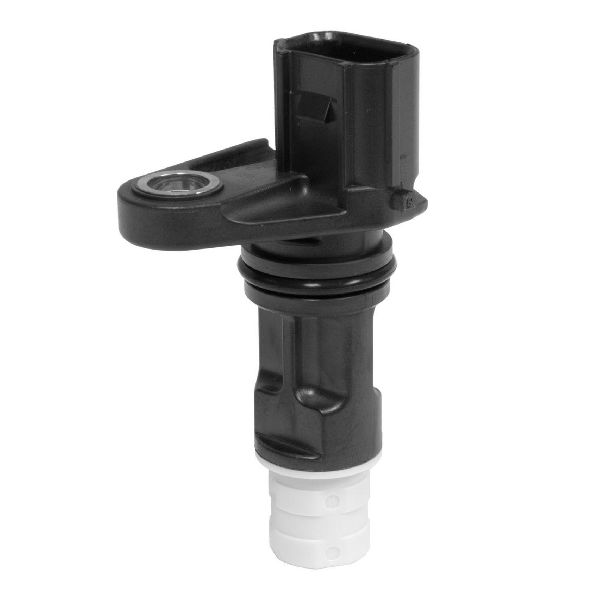
OEM Part Numbers: 37500-RCA-A01 37500-R40-A01
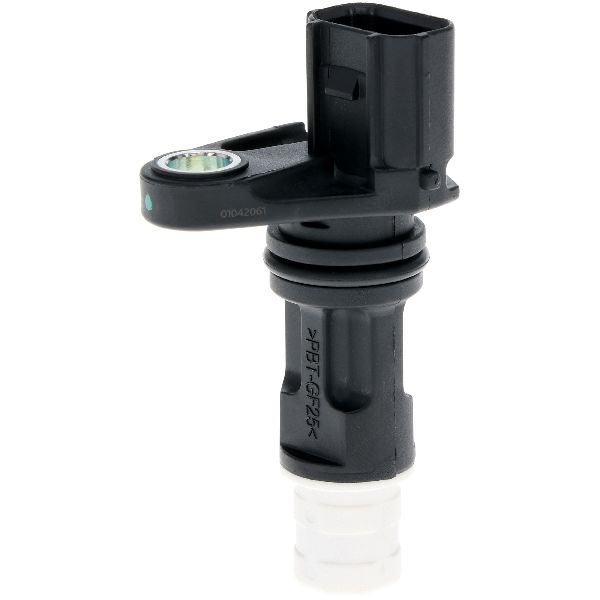
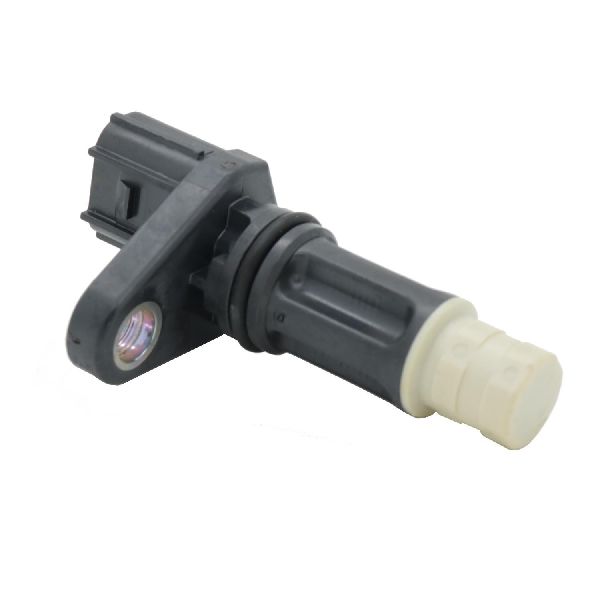
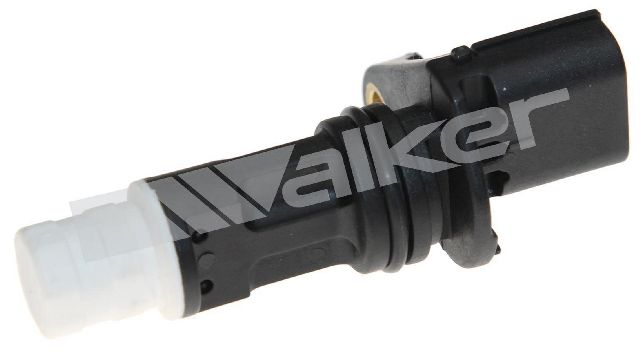
The sensor for the 2009-2016 Honda Pilot is a magnetic or Hall effect sensor that mounts to the engine block near the transmission bell housing. It reads the teeth on the crankshaft pulley or flexplate to determine engine speed and position.
We Have This Part in Stock

The information in this article is provided for general reference and educational purposes only. Vehicle specifications, procedures, and part compatibility can vary by production date, trim level, and region. Always consult your vehicle's factory service manual and verify part numbers before purchasing or performing repairs. Safety-critical components such as airbags, seat belts, and braking systems should be installed by a qualified professional.
- Honda Pilot:
- 🎬 Helpful Videos
- 🛍️ Shop This Part
- Is Your Honda Pilot Stalling or Not Starting? It Could Be the Crankshaft Sensor
- Symptoms of a Failing Crankshaft Position Sensor
- Important Note for 2016 Honda Pilot Owners
- Choosing the Right Aftermarket Sensor
- Replacement Cost and Labor
- DIY Replacement Tip
- Frequently Asked Questions (FAQ)
- 🎟️ Get 5% Off