

A Guide to the Engine Oil Pressure Switch for the 2009-2016 Hyundai Genesis
If you're seeing a flickering oil light at idle, this guide is for your Hyundai Genesis.
- A flickering oil light at idle is a classic sign of a failing oil pressure switch on the 2009-2016 Genesis V6.
- Always confirm the diagnosis with a mechanical oil pressure test before authorizing repairs, as the issue could be more severe.
- Replacement is a very labor-intensive job (4-6 hours) because the switch is located under the intake manifold.
- Due to the high labor cost, choosing a quality OEM or premium aftermarket part is recommended to ensure a long-lasting repair.
Understanding the Oil Pressure Switch in Your Genesis

The engine oil pressure switch is a vital safety sensor. Its only job is to watch your engine's oil pressure and warn you if it becomes dangerously low. In the 2009-2016 Hyundai Genesis, especially those with the 3.8L V6 engine, a faulty oil pressure switch is a known issue that can cause a lot of worry for owners.
Common Symptoms of a Failing Oil Pressure Switch

When this switch starts to fail, it can give false warnings that make you think your engine is in serious trouble. The most common signs include:
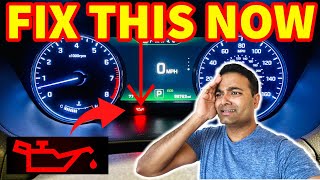
- Flickering Oil Light at Idle: The red oil warning light flickers or turns on when the car is stopped at a light or the engine RPM is very low, then turns off as you accelerate. This is the most widely reported symptom for the Genesis.
- Oil Leaking from the Switch: The sensor itself can develop a leak. Oil may seep from the plastic connector or the body of the switch, dripping down the back of the engine.
- Check Engine Light: A failing sensor can trigger a diagnostic trouble code, such as P0524 (Engine Oil Pressure Too Low), which will illuminate the check engine light.
Warning: Do Not Ignore the Oil Light
Never assume the oil light is just a faulty switch. Always check your oil level immediately. If the light stays on and the oil level is correct, have a mechanic test the engine's actual oil pressure with a mechanical gauge before driving further. Driving with low oil pressure can destroy an engine in minutes.
Known Issues for the 2009-2016 Hyundai Genesis
While there are no specific recalls from the National Highway Traffic Safety Administration (NHTSA) for a faulty oil pressure switch on this exact model range, the issue is well-documented across owner forums and by mechanics. The primary complaint is a false low-pressure warning at idle. This problem appears to be caused by the sensor failing internally or developing leaks. Later Genesis models (G80) have also faced scrutiny for similar sensor issues.
Choosing the Right Aftermarket Oil Pressure Switch

When replacing the oil pressure switch, you have a choice between OEM (Original Equipment Manufacturer) and several aftermarket brands. Because this repair is so labor-intensive, choosing a quality part is important to avoid doing the job twice.
- OEM (Hyundai): The original part is a safe choice and is known to fit perfectly. However, the original parts are also the ones known to fail. An OEM switch is a reliable baseline but not necessarily an upgrade.
- Premium Aftermarket (e.g., Standard Ignition, Rostra Powertrain): Brands like Standard Ignition (SMP) are well-established in the aftermarket for electronic components. Rostra is also a known supplier of OE and aftermarket parts, specializing in electronic controls. These brands aim to meet or exceed OEM quality and are a solid choice for this repair.
- Standard/Economy Aftermarket (e.g., Facet, Global Parts, True Tech): Facet is an established Italian manufacturer of sensors and switches. Brands in this tier offer a cost-effective solution and are designed to function as a direct replacement. They are a good option for budget-conscious repairs, though long-term durability may vary compared to premium brands.
Pro Tip: Replace Gaskets at the Same Time
Since the intake manifold must be removed to access the switch, this is the perfect time to replace the intake manifold gaskets and any other seals you remove along the way. This will prevent future vacuum leaks.
Cost to Replace the Engine Oil Pressure Switch

| Part/Service | Estimated Cost |
|---|---|
| New OEM Part | $30 - $60 |
| New Aftermarket Part | $14 - $106 |
| Shop Labor | $450 - $900+ |
| Total Estimated Cost | $480 - $1,000+ |
Cost estimates are for reference only and may vary based on your location, the specific repair shop, and parts availability. The high labor cost is due to the part's difficult location.
Frequently Asked Questions (FAQ)
Why is the labor cost so high for a small sensor?
The labor cost is high because the oil pressure switch on the Genesis 3.8L V6 is buried deep in the engine valley, underneath the entire upper and lower intake manifold assembly and fuel rails. Mechanics must spend 4-6 hours just to access and replace the part.
Is a flickering oil light always a bad switch?
No. While a faulty switch is a common cause on the Genesis, a flickering light can also mean your engine oil is dangerously low, the wrong viscosity, or the oil pump is failing. Always verify the oil level first and have the actual pressure tested with a mechanical gauge to confirm the problem before starting repairs.
Can I replace the Genesis oil pressure switch myself?
This is an advanced DIY repair. It requires significant disassembly of the top part of the engine, including the fuel system. Due to the complexity and the risk of creating other issues like fuel or vacuum leaks, this job is best left to an experienced mechanic unless you are very confident in your abilities.
Where is the oil pressure switch located?
On the 3.8L V6 engine, the switch is located in the valley between the two cylinder heads, underneath the intake manifold, toward the front of the engine. On some other engines, it can be found near the oil filter, but on the Genesis V6, it is in a very difficult-to-reach spot.
Helpful Videos


Technical Specifications
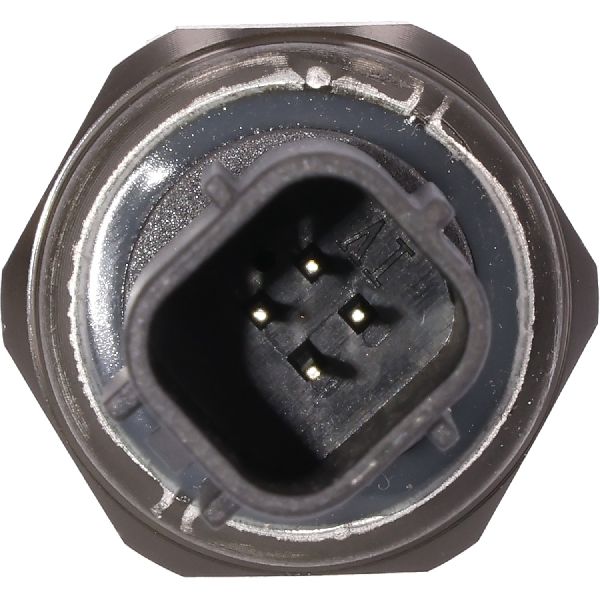
OEM Part Numbers: 94750-3M100 94750-2A000
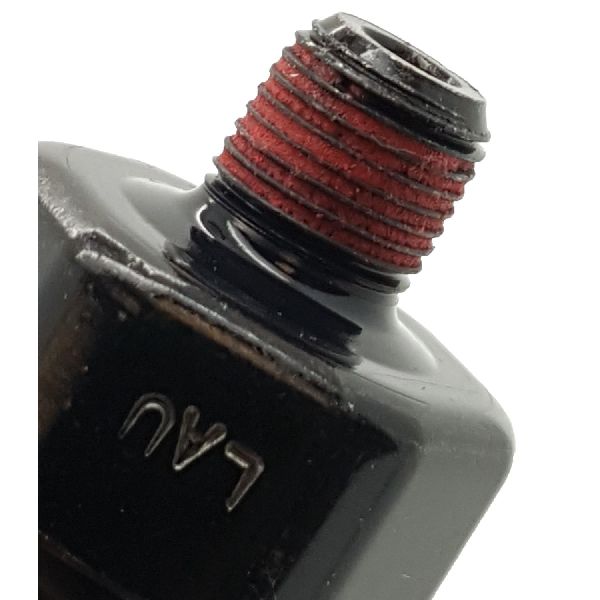
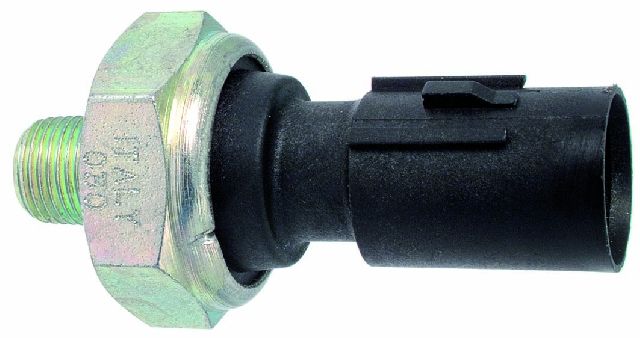
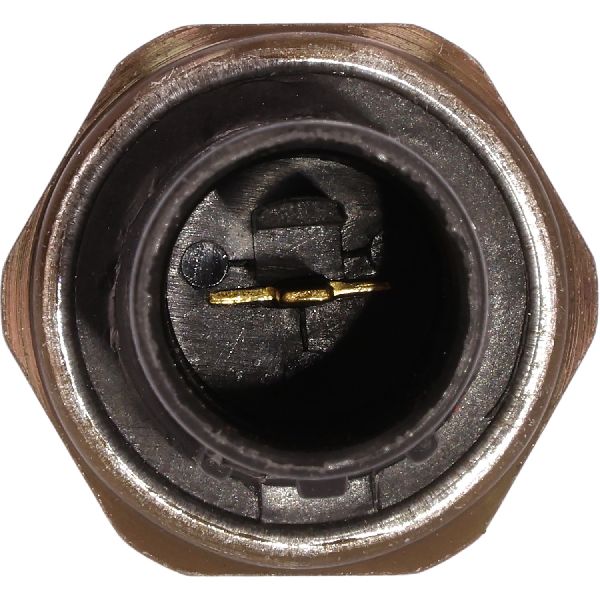
A pressure transducer located in the engine block valley that monitors engine oil pressure and sends a variable signal to the vehicle's computer and dashboard warning light.
We Have This Part in Stock


The information in this article is provided for general reference and educational purposes only. Vehicle specifications, procedures, and part compatibility can vary by production date, trim level, and region. Always consult your vehicle's factory service manual and verify part numbers before purchasing or performing repairs. Safety-critical components such as airbags, seat belts, and braking systems should be installed by a qualified professional.
- Hyundai Genesis:
- 🎬 Helpful Videos
- 🛍️ Shop This Part
- Understanding the Oil Pressure Switch in Your Genesis
- Common Symptoms of a Failing Oil Pressure Switch
- Warning: Do Not Ignore the Oil Light
- Known Issues for the 2009-2016 Hyundai Genesis
- Choosing the Right Aftermarket Oil Pressure Switch
- Pro Tip: Replace Gaskets at the Same Time
- Cost to Replace the Engine Oil Pressure Switch
- Frequently Asked Questions (FAQ)
- 🎟️ Get 5% Off